Can a full month of thrifted streetwear look intentional instead of random? Yes, but only after I stopped treating every cheap item as a bargain. The experiment became less about finding famous labels and more about learning how fit, fabric, condition, and styling work together.
Thrifted Streetwear Looks Better When Fit Comes First
My verdict: fit mattered more than the label on every outfit I wore. A plain secondhand sweatshirt with the right shoulder line looked sharper than a rare graphic tee that hung too long and twisted at the side seam.
Why measurements beat the size tag
Vintage and secondhand sizing rarely follows one system. A tagged medium can fit like a modern small, while an oversized large may have a narrow chest. I measured a favorite hoodie before shopping: 23 inches across the chest, 27 inches from shoulder to hem, and 25 inches from shoulder to cuff. Those numbers became more useful than guessing from labels.
What created the strongest outfits
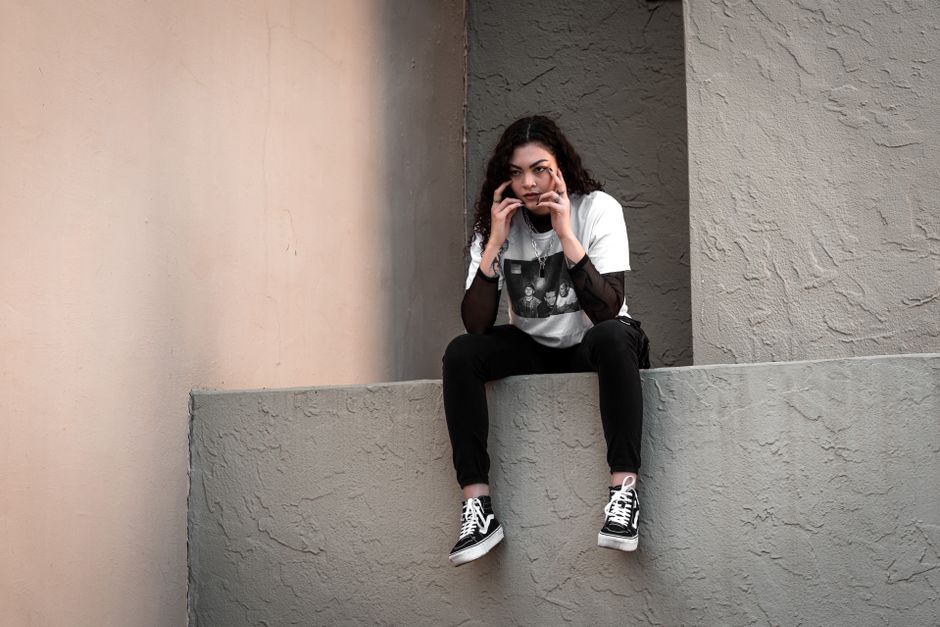
The best looks used one loose piece, one cleaner piece, and one visible shape. A boxy jacket worked with straight trousers and low-profile shoes. A wide sweatshirt needed a narrower hem or a cropped layer underneath. I also checked sleeve length while standing, sitting, and reaching forward. Streetwear needs movement, but excess fabric can make an outfit look accidental. My strongest finds were not the loudest ones. They were pieces that matched my proportions and left room for one deliberate detail, such as a rolled cuff, a cap, or a contrast sock.
Five Rules Made Thrift Shopping Faster

Thrift stores reward patience, but wandering without a method wastes time. I used this short process each time I searched for streetwear.
A practical store routine
- Start with fabric. Touch heavyweight cotton, wool blends, canvas, and dense fleece before scanning logos. Fabric tells you more about wear and comfort than a printed name.
- Check the shoulder seams. Stretching, puckering, or a seam that sits far down the arm can change the whole shape.
- Inspect high-friction zones. Look at collars, cuffs, crotches, knees, pocket edges, and the inside of the waistband.
- Search by silhouette. Scan for straight-leg trousers, cropped jackets, boxy tees, and roomy overshirts instead of searching only for a brand.
- Try the item with your real layers. A jacket that fits over a T-shirt may fail over a hoodie. Bring the layer you plan to wear most.
- Set a repair limit. I accepted loose buttons and small hems. I rejected broken zippers, strong odors, deep stains, and fabric weakened by thinning.
The mistake that cost the most
I bought one pair of trousers because the color looked perfect on the rack. At home, the rise felt short and the seat pulled whenever I sat down. The $12 price did not matter; an unworn bargain is still wasted money. From then on, I performed a five-minute test: sit, squat, raise both arms, walk several steps, and check every pocket. That simple routine removed most bad purchases before they reached my closet.
Secondhand Prices Expose the Real Value of Streetwear
Thrifting made me compare resale prices with new-retail benchmarks. The label alone did not decide value. Condition, fabric weight, current fit, and repair cost mattered just as much.
New-retail reference versus a sensible thrift price
| Item | Typical new retail | Thrift target | What to inspect |
|---|---|---|---|
| Levi’s 501 Original Jeans | $84.95 | $20-$35 | Waist stretch, crotch wear, hem damage |
| Dickies Original 874 Work Pants | $45 | $12-$25 | Shine at the seat, knee fading, pocket seams |
| Carhartt WIP Detroit Jacket | About $220 | $60-$120 | Canvas thinning, lining tears, zipper function |
| adidas Samba OG Shoes | $100-$110 | $25-$60 | Sole separation, heel collapse, odor |
| Nike Dunk Low Shoes | About $120 | $35-$75 | Cracked leather, worn outsole, missing insoles |
The clear winner for value
For a first thrifted streetwear purchase, the Levi’s 501 was the safest choice. It has a familiar straight shape, sturdy denim, and a large secondhand supply. The Carhartt WIP Detroit Jacket can create a stronger outfit, but only when the canvas and zipper remain healthy. A low price cannot rescue a jacket that needs $50 of repairs.
Why Some Thrifted Pieces Worked and Others Failed
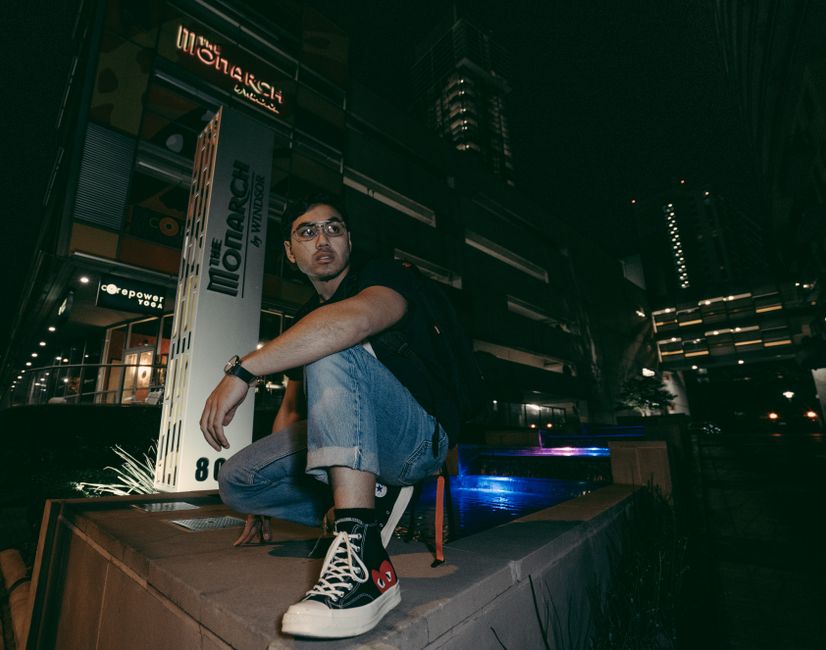
The month taught me that streetwear is not a pile of oversized clothes. It is a balance between utility, proportion, and visual tension. The category grew from practical clothing made for work, skateboarding, sport, music, and movement. Its appeal comes from turning durable everyday pieces into a recognizable uniform. That history explains why canvas jackets, work pants, denim, track tops, and athletic shoes still anchor the look.
Durability created the best repeat outfits
The pieces I wore most had clear jobs. Heavy denim handled long days without losing its shape. Canvas outerwear blocked wind and added structure to soft layers. Work pants gave a relaxed leg without the sloppy feel of thin pajama-like trousers. This is where thrifted clothing can beat trend shopping: older garments often show how a material ages before you spend money on them.
I compared my finds with familiar new versions. The Levi’s 501 offered a straight leg and button fly at roughly $84.95 new. The Dickies 874 offered reinforced seams, welt back pockets, and a sharper workwear line for about $45. The adidas Samba OG, around $100 to $110, gave a slim shoe profile, while the Nike Dunk Low, around $120, added more visual volume. Those benchmarks helped me identify the shape I wanted without treating the brand as the goal.
Where the experiment failed
Graphic-heavy items created the most styling problems. A large front print can dominate an outfit, hide stains, and date a look quickly. I also struggled with thin synthetic jackets that looked good under store lighting but felt clammy outdoors. Shoes caused another problem: worn foam and collapsed heels cannot always be seen from above. I rejected several pairs after checking the outsole and pressing the heel counter.
When the fabric, construction, and shape all worked, the outfit looked personal. When only the logo worked, it looked like a costume.
Questions I Still Ask Before Buying Thrifted Streetwear
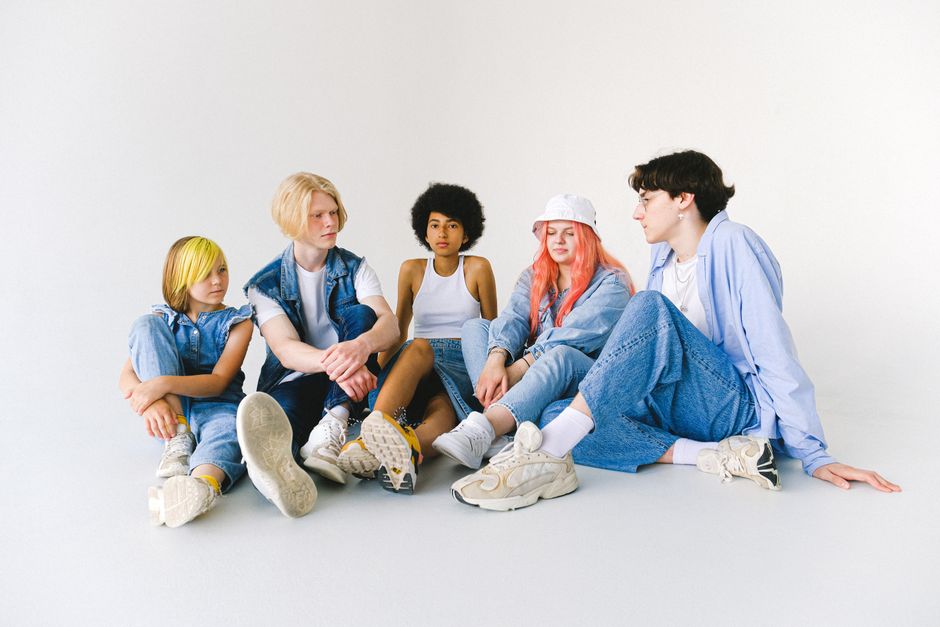
Is thrifted streetwear always cheaper?
No. Popular labels, rare graphics, and online resale demand can push secondhand prices above normal retail. I would rather pay $25 for an unbranded heavyweight sweatshirt that fits perfectly than $90 for a famous hoodie with stretched cuffs. Compare the total cost, including cleaning, tailoring, shipping, and repairs.
When should I buy new instead?
Buy new when you need reliable performance, exact sizing, or clean footwear for daily walking. A new pair of Nike Dunk Lows or adidas Samba OGs may make sense if a secondhand pair has a flattened footbed or damaged sole. Buy new workwear when you need a precise waist and cannot accept weakened seams. Secondhand is strongest for denim, jackets, sweatshirts, and relaxed trousers because small signs of wear often add character rather than reducing function.
What was the single biggest lesson?
Thrifted streetwear works best when you build around repeatable shapes instead of chasing a complete outfit in one visit. I kept a small rotation of straight jeans, work pants, plain tees, one structured jacket, and comfortable shoes. Accessories changed the mood without adding another crowded purchase.
The most important takeaway is simple: buy the fit and fabric first, then let the label become a pleasant surprise.