Seven tops and four bottoms create 28 pairings before you add a layer, shoe, or accessory. That is the useful math behind a good work-from-home capsule wardrobe: you need enough variety for video calls, errands, and real comfort, but not a closet full of clothes that only look good from the waist up.
I have found that the best setup uses soft fabrics, repeatable colors, and one or two pieces that sharpen an outfit fast. The budget below comes to about $480 before tax, assuming you buy at regular or commonly discounted prices and use pieces you already own when possible.
Start with the real work-from-home dress code
Separate camera clothes from desk clothes
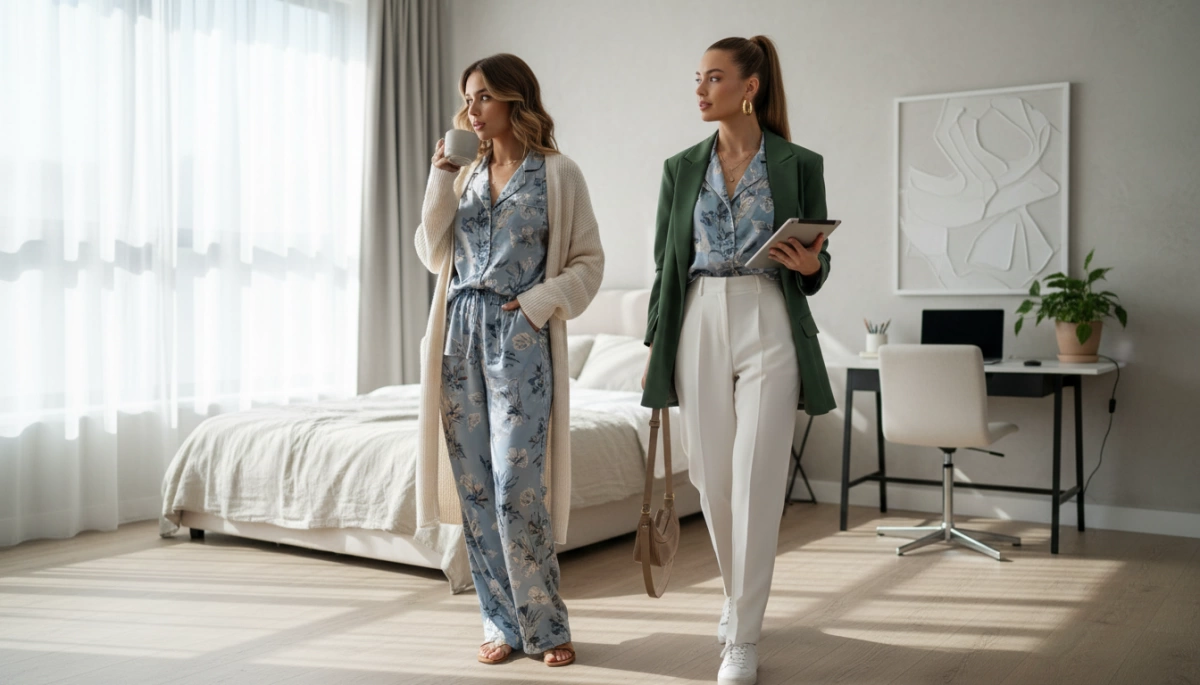
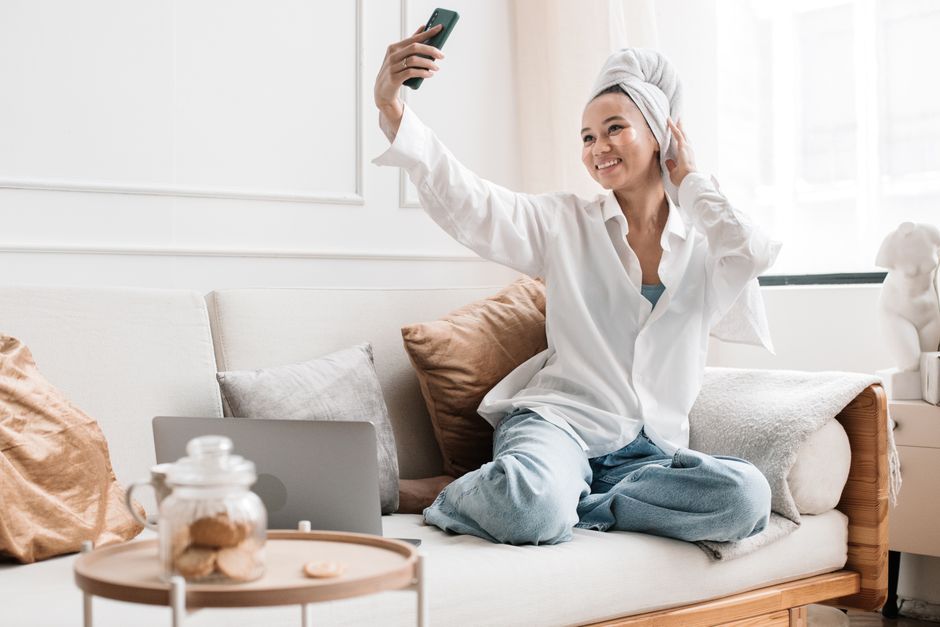
Working from home creates two different style problems. Your desk clothes need to feel comfortable for six or eight hours. Your camera clothes need a clean neckline, enough structure around the shoulders, and a color that does not disappear against your wall. Those needs overlap, but they are not identical.
That is why I do not recommend building a capsule from sweatpants and oversized hoodies alone. They solve comfort, then fail the moment a manager schedules an unplanned video call. A better base is a soft knit top with a tidy collar, pull-on trousers that hold their shape, and one layer that makes the outfit look deliberate.
Use three outfit levels
- Desk level: knit top, comfortable trousers, socks, and no stiff waistband.
- Video-call level: the same trousers with a polished blouse, cardigan, or blazer.
- Outside level: add jeans, loafers, a belt, or a structured coat for school runs and coffee meetings.
This three-level system keeps the wardrobe small because each piece has more than one job. A cardigan should work over a tee and under a coat. Trousers should look fine with sneakers and loafers. If an item only works for one narrow situation, it does not earn space in a $500 capsule.
Choose a neutral color system before shopping
The two-base-color rule
Pick two base colors and one accent. Black and navy are the easiest combination, but charcoal and brown can look softer and more modern. For the plan below, I would choose black bottoms, navy or cream tops, and one muted accent such as burgundy, olive, or dusty blue.
The point is not to make every outfit monochrome. The point is to make every top work with at least two bottoms. That prevents the common budget mistake of buying a beautiful blouse that only matches one pair of trousers.
Build the $500 budget
| Item | Quantity | Budgeted price | Running total |
|---|---|---|---|
| UNIQLO Smart Ankle Pants | 2 | $39.90 each | $79.80 |
| UNIQLO Supima Cotton T-Shirts | 2 | $19.90 each | $119.60 |
| Quince Washable Stretch Silk Blouse | 1 | $72 | $191.60 |
| Amazon Essentials long-sleeve sweater | 1 | $25 | $216.60 |
| H&M relaxed blazer | 1 | $60 | $276.60 |
| Quince cotton cardigan | 1 | $70 | $346.60 |
| Levi’s 501 Original jeans | 1 | $70 | $416.60 |
| Naturalizer Marianne Loafer | 1 pair | $64 sale budget | $480.60 |
Prices move with sales, colors, and size availability, so treat this as a spending ceiling rather than a promise that every item will cost the same in every cart. If the loafers cost more, wait for a sale or use shoes already in your closet.
Buy comfort through fabric and fit
What actually feels good for eight hours
Comfort does not mean wearing the loosest thing you own. It means choosing fabrics that move, waistbands that do not dig in, and layers that do not trap heat while you sit. Look for a little elastane in trousers, medium-weight cotton in tees, and smooth knits that do not itch around the neck.
For trousers, sit down in the fitting room or at home before removing tags. Check the waistband when seated, the rise when bending, and the fabric at the knees. A pair that feels perfect while standing can become uncomfortable after a morning of emails.
Fit the upper half for video calls
Camera framing exaggerates shoulders and necklines. A crew neck that looks basic in person can look clean on screen, while a thin striped top may flicker or create visual noise. I prefer solid colors, a neckline that sits flat, and a sleeve that stays put when I reach for a mug.
A relaxed fit is useful, but oversized is not automatically comfortable. If the shoulder seam drops too far, sleeves drag across the keyboard and the whole outfit can look like sleepwear. The best work-from-home top skims the body without clinging and keeps its shape after washing.
Shop the wardrobe in the right order
Buy these four pieces first
- Two pairs of trousers in the same base color or in close shades.
- Two solid tees that can act as base layers.
- One polished blouse for important calls.
- One cardigan or blazer that changes the outfit instantly.
This order matters. People often buy statement tops first because they are fun to browse, then discover they have nothing comfortable to wear below the frame. Trousers and layers create the working structure. Tops add variety after that structure exists.
Add pieces only when an outfit gap appears
After the first four purchases, make at least five outfits before buying anything else. Wear the tee with both trousers. Add the blouse to each bottom. Try the cardigan over every top. If you cannot make five combinations, the issue is probably color choice, not a lack of clothes.
The UNIQLO Smart Ankle Pants are my clear budget winner for this step. Their tapered shape looks sharper than lounge pants, the two-way stretch works at a desk, and they can handle a tee, silk blouse, or blazer. Choose black or navy first. A patterned pair can wait.
Use a weekly outfit rotation that does not feel repetitive
Five simple formulas
A capsule wardrobe works best when you stop treating every morning as a styling puzzle. Use formulas that change one visible element while keeping the base familiar.
- Monday: black trousers, ivory tee, navy cardigan, and loafers.
- Tuesday: black trousers, Quince silk blouse, and a slim belt.
- Wednesday: Levi’s 501 jeans, cream sweater, and blazer.
- Thursday:
- Friday: jeans, Supima cotton tee, blazer, and clean sneakers.
navy trousers, black tee, cardigan, and simple earrings.
These combinations look different because the neckline and outer layer change, even when the bottom repeats. That is enough variety for most remote workweeks. Nobody on a video call is tracking your trousers with the attention you imagine.
Keep one polished layer near the desk
Hang the blazer or cardigan on the back of your chair, not buried in a closet. The small change makes a real difference when a call starts in five minutes. The H&M relaxed blazer is the better choice if you want structure and a sharper shoulder; the Quince cardigan wins if your home runs cold and you want softness.
Avoid the purchases that break a minimalist capsule
Four mistakes that waste the budget
- Buying five “work tops” with no bottom plan: a top is not versatile if it only works with one item.
- Choosing dry-clean-only fabric: remote work creates frequent wear, so expensive care can erase the savings.
- Buying thin black trousers: they show lint, outlines, and wrinkles quickly on camera.
- Buying shoes for a lifestyle you do not have: stiff heels are a poor choice if you only wear them for a ten-minute walk to the mailbox.
The biggest mistake is confusing novelty with usefulness. A dramatic sleeve or bright print can be attractive, but it often reduces outfit combinations. Spend the money on fit, fabric, and a color you will wear twice a week.
When not to buy the recommended item
Do not buy the Quince Washable Stretch Silk Blouse if you dislike delicate care. It can be washed on a gentle cycle, but it still needs a garment bag and air drying. Choose a cotton-poplin blouse instead if you want something tougher.
Skip the Naturalizer Marianne Loafer if you spend nearly every workday barefoot at home and rarely leave for meetings. Put that $64 toward a second comfortable layer. The shoe becomes worthwhile only when it completes the outside-level outfits in your routine.
Answer the questions that decide the final cart
How many pieces do I really need?
Start with nine clothing pieces: two bottoms, two tees, one blouse, one sweater, one cardigan, one blazer, and one pair of jeans. Add shoes only if your current pair does not cover errands or casual meetings. This is enough for a working week because layers and accessories change the visible outfit.
Should I buy all new clothes?
No. Use the $500 as a replacement budget, not a command to start over. Keep any jacket, belt, shoe, or neutral tee that fits well and has survived regular washing. Spend first on the item that causes the most daily friction, usually trousers or a layer.
What is the best single purchase?
For most people, it is the second pair of well-fitting trousers. One pair gets repetitive and one pair gets worn out quickly. Two compatible bottoms create the foundation for every other item, which is why I would buy the UNIQLO Smart Ankle Pants before the blazer, silk blouse, or loafers.
Keep the receipt, wear each item indoors, and remove the tag only after it works with at least three pieces you own. A small wardrobe succeeds when every item gets used, not when the closet looks impressively empty.