Monday morning. I laced up a pair of deadstock sneakers worth more than my first car and felt the stiff, unbroken leather dig into my Achilles tendon. By Wednesday, I was cutting tags off a heavyweight cotton hoodie that felt more like sandpaper than fabric. By Friday, I understood something that gets lost in the frenzy of drops and resale value: the gap between looking expensive and feeling good is a mile wide.
This isn’t a takedown of streetwear. It’s a field report on what happens when you force your body to live inside the hype for seven straight days. The goal wasn’t to judge the aesthetics—it was to measure the physical experience of wearing clothes designed for scarcity, not necessarily for skin.
The Anatomy of a Hypebeast Outfit: Materials That Fight Back
Most people assume expensive clothes feel better. That assumption collapses the moment you pull on a box-fresh Supreme box logo hoodie from the Fall/Winter 2026 drop. The cotton is dense—22oz French terry in many cases—and it hasn’t been washed. It hasn’t been worn. It hasn’t learned the shape of a human body yet.
Compare this to a standard Nike Club Fleece hoodie ($60). The Nike hoodie uses a brushed-back fleece that feels soft immediately. No break-in period. The Supreme hoodie? It’s armor. You wear it, it doesn’t wear you—at least not for the first 48 hours.
Why Heavyweight Cotton Exists
Heavyweight cotton serves a structural purpose. It holds its shape through years of wear. It drapes differently on the body. A 400gsm loopback cotton tee from a brand like Fear of God Essentials won’t cling to your stomach the way a 150gsm fast-fashion tee will. That structure comes at a cost: breathability. On day three, wearing a double-layered cotton hoodie in 68-degree weather, I was overheating. The fabric wasn’t wicking moisture. It was trapping it.
The Denim Problem
Raw selvedge denim looks incredible. It also feels like wearing cardboard for the first week. I wore a pair of A.P.C. New Standard jeans—unwashed, 14.5oz Japanese denim. Sitting down required negotiation. The waistband didn’t stretch. The knees bunched up and pressed into my skin when I bent my legs. By day four, the denim had started to soften at the stress points, but those first three days were a study in suffering for the sake of fades.
Verdict: Heavyweight materials are an investment in future comfort. They’re not comfortable out of the box. If you want immediate softness, buy pre-washed or garment-dyed pieces. If you want longevity and structure, accept the break-in period.
Sneakers: The Comfort Hierarchy Nobody Talks About
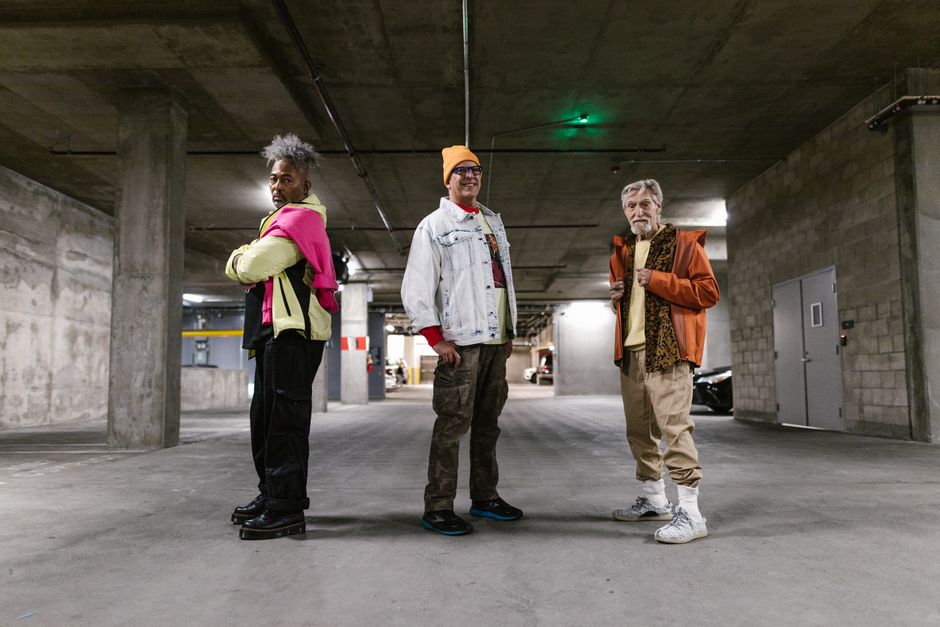
Not all hype sneakers are created equal. The comfort gap between a Nike Dunk and an Adidas Yeezy Slide is staggering. I rotated three pairs during the week: a pair of Air Jordan 1 High ‘Chicago Lost & Found’, a pair of Yeezy 350 V2 ‘Bone’, and a pair of New Balance 990v6 ‘Grey Day’. Each represents a different philosophy about what a shoe should do to your foot.
| Sneaker Model | Retail Price (2026) | Resale Range | Cushioning Technology | All-Day Comfort Rating (1-10) |
|---|---|---|---|---|
| Air Jordan 1 High ‘Chicago Lost & Found’ | $180 | $350-$500 | Air-Sole unit (heel only) | 4/10 |
| Yeezy 350 V2 ‘Bone’ | $230 | $250-$300 | Full-length Boost | 9/10 |
| New Balance 990v6 ‘Grey Day’ | $200 | $220-$260 | FuelCell + ENCAP | 9.5/10 |
The Air Jordan 1 is a 1985 basketball shoe. It has a flat insole, minimal arch support, and an Air-Sole unit that you can’t feel under your heel. After six hours of walking, my feet ached. The leather upper didn’t flex with my foot—it creased, creating pressure points across the toebox.
The Yeezy 350 V2, by contrast, wraps your foot in a Primeknit upper that moves with every step. The Boost midsole compresses and rebounds. It’s genuinely comfortable. The New Balance 990v6 sits somewhere different—it’s a stability shoe disguised as a lifestyle sneaker. The FuelCell foam provides energy return, and the ENCAP rim keeps your heel from rolling. It’s the only pair I’d recommend for someone who stands all day.
Key takeaway: Hype doesn’t predict comfort. Basketball retros are generally uncomfortable by modern standards. Running-derived silhouettes (Yeezy 350, New Balance 990 series, ASICS Gel-Kayano 14) are consistently more wearable. If comfort matters, look at what the shoe was originally designed to do. A basketball shoe from 40 years ago wasn’t designed for all-day walking.
The Sizing Roulette
Here’s what nobody tells you when you start buying hype pieces: you will get your size wrong. Not because you can’t read a size chart, but because the size charts lie. Or rather, they don’t account for how the garment is supposed to fit.
I ordered a medium in a Fear of God Essentials pullover hoodie. The size chart said medium fits a 38-40″ chest. I have a 40″ chest. The hoodie arrived and the shoulder seams dropped four inches past my actual shoulders. This is intentional—it’s the oversized silhouette. But the size chart didn’t communicate that. It listed garment measurements as if the hoodie were meant to fit traditionally.
I ordered a large in a Bape Shark full-zip hoodie. Bape runs small, which is well-documented in forums, but the size chart still listed standard Japanese measurements. A large in Bape fits like a US medium. The sleeves were short. The body was cropped. I couldn’t raise my arms without the hem riding up to my ribs.
- Japanese brands (Bape, WTAPS, Neighborhood): Size up at least one full size from your US size. Two if you want a relaxed fit.
- Fear of God / Essentials: Buy your true size for the intended oversized look. Size down only if you want a traditional fit—but the proportions will be off.
- Supreme: True to size for tees and hoodies, but their cut is boxy. If you’re between sizes, size up for hoodies, down for tees.
- Palace: True to size. Their cuts are more traditionally athletic. A large fits like a large.
The mistake to avoid: Don’t trust the size chart alone. Find a fit video on YouTube. Search Reddit for the specific piece. Every brand has a fit language, and you need to learn it before you drop $400 on a hoodie that hits you mid-torso.
When Hypebeast Fashion Is Actually Comfortable
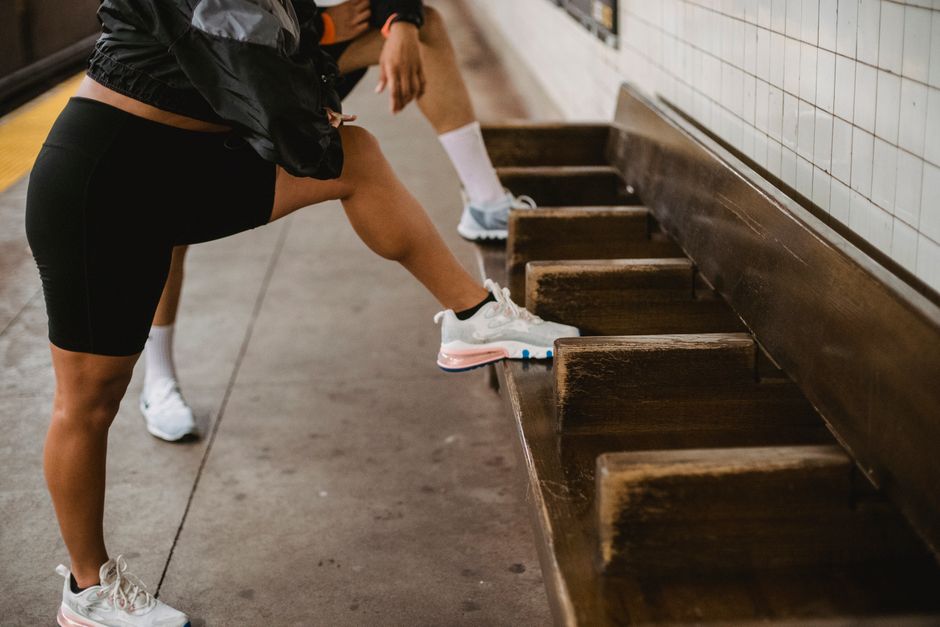
It’s not all bad. There are specific pieces in the hype ecosystem that prioritize comfort without sacrificing the aesthetic. These are the exceptions, but they’re worth knowing.
The Yeezy Gap Balenciaga dove hoodie—the 2026 engineered piece that still circulates on resale platforms—is genuinely one of the most comfortable hoodies I’ve ever worn. The double-layer construction creates a cocoon effect. The fabric is substantial but pre-washed, so it’s soft immediately. It’s heavy without being stiff.
Stone Island’s garment-dyed cotton pieces deserve mention. The dyeing process softens the fabric significantly. A Stone Island crewneck sweatshirt ($300-$400) feels broken-in from the first wear. The cotton has a sueded hand feel that you don’t get from standard pigment-dyed alternatives.
On the footwear side, the ASICS Gel-Kayano 14—a sneaker that’s been fully absorbed into the hypebeast canon through Kith and JJJJound collaborations—delivers genuine running shoe comfort. Gel cushioning in the heel and forefoot. Trusstic support system in the midfoot. It’s a performance runner that happens to look good with wide-leg trousers.
If comfort is your priority, look for: garment-dyed cotton, pre-washed fabrics, running-derived sneaker silhouettes, and anything with a gusseted crotch in pants (trust me on this one—the range of motion difference is significant). Avoid: raw denim, retro basketball sneakers, stiff canvas jackets, and anything described as “crisp” or “sturdy” in product descriptions. Those words are code for “this will hurt.”
What I’d Actually Recommend After Seven Days

I’m not going to tell you to abandon streetwear. I’m going to tell you to be strategic about it. The full hypebeast uniform—box-fresh hoodie, raw denim, retro Jordans—is a comfort disaster. But you can pull individual pieces and build a comfortable wardrobe around them.
Buy the sneakers that were designed for movement. The New Balance 990 series, the ASICS Gel-Kayano 14, the Yeezy 350 or 700. Avoid the retro basketball shoes unless you’re sitting most of the day. Buy the hoodies that have been washed or garment-dyed. Buy the pants with some stretch content—2% elastane makes a difference. Buy the tees in midweight cotton (180-220gsm) rather than heavyweight (300+ gsm).
The hypebeast aesthetic isn’t incompatible with comfort. But the culture’s emphasis on deadstock condition, raw materials, and vintage silhouettes pushes people toward uncomfortable choices. The most comfortable week I had was the one where I stopped caring whether my sneakers were creased and my hoodie was broken in. Those signs of wear aren’t damage. They’re the garment finally starting to work.
Bottom line: If you’re building a hype-influenced wardrobe and you actually want to feel good in your clothes, start with the Yeezy 350 or New Balance 990 for footwear, a garment-dyed Stone Island or pre-washed Essentials hoodie for your top layer, and stay far away from raw denim unless you’re willing to suffer for six months. The hype is temporary. Your feet and your skin have to deal with the consequences.