Spring dressing fails when the weather changes faster than your outfit. The answer is not packing away every coat on March 1. It is building lighter layers that handle cold mornings, warm afternoons, rain, and indoor heating without making your wardrobe feel stuck in winter.
The Best First Move Is a Three-Layer Reset
Keep the base layer breathable
Start with a thin base layer that sits close to the body but does not trap too much heat. Cotton, merino wool, silk, and lightweight jersey work better than thick thermal fabric once daytime temperatures rise. A long-sleeve cotton tee under a shirt gives you warmth in the morning and an easy layer to remove later. Choose fitted shapes for the base so the outfit does not become bulky under a jacket.
Replace heavy middle layers
Swap chunky cable-knit sweaters and fleece hoodies for fine-gauge knits, cotton cardigans, denim shirts, and relaxed blazers. A medium-weight cardigan is more useful than one very warm jumper because it works indoors, outdoors, and across several outfit combinations. The strongest spring transition outfits use one warm piece, not three competing ones.
Use the outer layer as temperature control
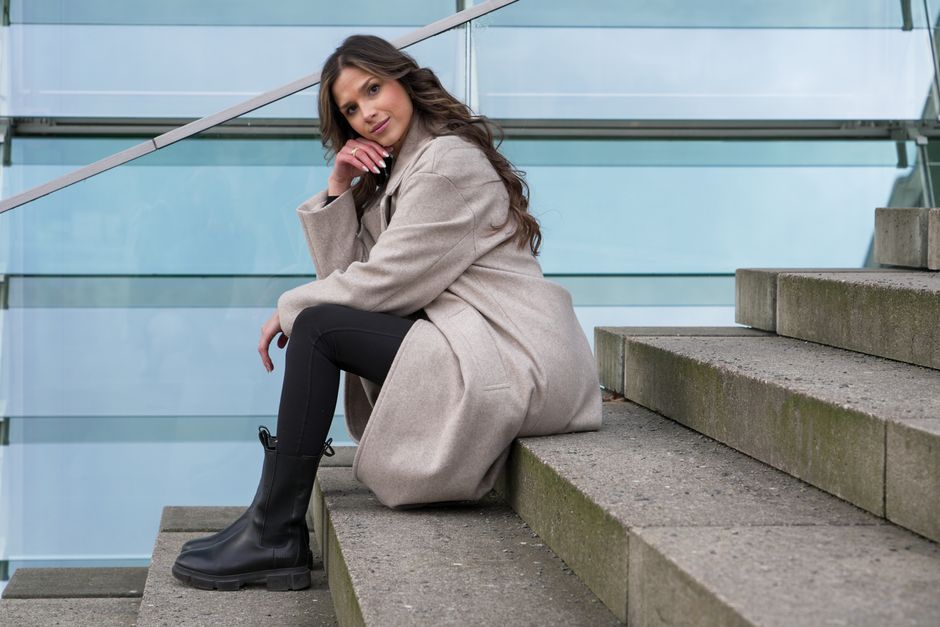
Keep one proper coat available for cold or wet days, but make a lighter jacket your daily default. A trench, cropped utility jacket, denim jacket, or unlined blazer creates a finished outfit while allowing air to move. The clearest verdict is simple: keep winter warmth in the base and shift visual weight toward the outer layer. That makes the outfit feel like spring without leaving you cold at 8 a.m.
Five Steps That Stop Seasonal Wardrobe Chaos
- Check the forecast by time of day. A 12°C afternoon does not mean a 12°C commute. Note the morning low, afternoon high, wind, and rain before choosing an outfit.
- Build outfits before storing clothes. Pull out five combinations that already work. Photograph them if needed. This shows which winter items still earn space and which pieces only create clutter.
- Change texture before changing color. Corduroy, heavy wool, and padded fabric look winter-ready even in pale shades. Cotton poplin, linen blends, smooth denim, and fine knits create a lighter impression without forcing bright colors.
- Switch one item at a time. Keep jeans and boots, then change the sweater. Keep the sweater, then change the coat. This prevents the common mistake of replacing an entire outfit and discovering that the new pieces do not work together.
- Leave one weather-proof option accessible. Do not store every waterproof shoe or warm jacket. Spring rain and sudden cold snaps are normal. A small rotation of dependable items is more practical than a wardrobe based on the calendar.
The rule is to edit slowly. If an item works in at least three outfits and handles your real commute, it stays in rotation. If it only works on a perfect sunny day, it is not a transition essential.
Which Layers Work Best at Different Spring Temperatures?
The best spring wardrobe is a temperature system. Each layer should have a job, and the outfit should still look complete when one piece comes off. The table below gives a practical starting point rather than a rigid dress code.
A useful outfit formula by weather
| Conditions | Layering formula | Useful clothing examples | Verdict |
|---|---|---|---|
| 5–9°C, wind or rain | Long-sleeve base, fine knit, weather-resistant coat | Merino tee, lightweight sweater, trench or waxed jacket | Choose coverage over exposed spring styling |
| 10–14°C, mixed clouds | Tee or shirt, cardigan, light jacket | Cotton tee, cardigan, denim or utility jacket | The most flexible everyday combination |
| 15–18°C, dry afternoon | Short-sleeve top, overshirt or unlined blazer | Poplin shirt, relaxed blazer, loafers or clean sneakers | Remove the middle layer at midday |
| 19°C and above | Breathable top with one light layer for evening | Linen-blend shirt, cotton trousers, thin cardigan | Stop carrying heavy winter fabrics |
Product examples that fit the system
For a reliable outer layer, the COS Lightweight Trench Coat is the strongest minimalist choice at roughly $250 because its clean shape works over knitwear and office clothes. The Barbour Beadnell Wax Jacket, usually around $398, is better for wet countryside walks but too warm and visually heavy for a mild city afternoon. For a lighter warm layer, Uniqlo’s Ultra Light Down Vest, often about $80, works under a coat, but it is a poor choice if you want the outfit to look distinctly spring-like.
Where the money should go
Spend first on the item that solves your daily weather problem. If rain is the issue, buy the coat. If your office is cold, buy the cardigan. If you walk everywhere, buy comfortable shoes. The best-value spring purchase is the piece that adds several outfits and prevents you from buying emergency clothing every time the temperature changes.
Why Spring Outfits Still Feel Too Heavy

Why does a pale outfit still look like winter?
Color cannot cancel out winter texture. A cream cable-knit sweater with a padded vest and thick boots still reads as cold-weather dressing. Change the surface first: choose a smooth cotton knit, lighter denim, a fine scarf, or an unlined jacket. Soft neutrals such as stone, navy, olive, chocolate, and washed blue create a spring palette without forcing pastel clothing into every outfit.
Why do transitional outfits become uncomfortable?
Most discomfort comes from poor layering, not from the wrong season. A thick sweater under a narrow jacket restricts movement and traps heat. A better combination is a thin base, one flexible middle layer, and an outer layer with room at the shoulders. If you cannot remove a layer without exposing an unfinished outfit, the outfit needs another shirt, vest, or overshirt.
What should stay in storage?
Store pieces that are hard to regulate: very thick turtlenecks, heavy snow boots, bulky scarves, and heavily insulated coats. Keep one warm jumper and one practical pair of boots available. Spring weather punishes absolute decisions, so the goal is a smaller active wardrobe, not a dramatic seasonal swap.
Buy Less: The Right Spring Pieces Have Three Jobs

My strongest recommendation is to buy one versatile layer before buying a new spring outfit. A well-cut trench, lightweight blazer, or cotton overshirt can change the appearance of clothes you already own. That matters more than adding another floral dress or another pair of jeans that only works with one shoe.
Choose the layer with the widest reach
For most wardrobes, a neutral trench has the best return because it works with denim, tailoring, dresses, knitwear, and trainers. If your style is casual, choose an olive utility jacket instead. If you dress for a formal workplace, an unlined navy blazer is more useful than a cropped jacket. The winning color is the one already repeated in your wardrobe.
Use shoes to signal the season
Footwear changes the mood of an outfit quickly. The Levi’s 501 Original Jeans, around $80, look more spring-ready with white sneakers than with heavy winter boots. The Veja Campo, usually close to $175, is a good clean-sneaker option for dry commutes, while leather loafers make the same jeans sharper for work. Do not buy delicate suede if your route includes regular rain.
Spring dressing works when every item earns its place through comfort, repeat wear, and easy layering. Keep the clothes that handle real weather, lighten the textures gradually, and let one clear outer layer carry the seasonal change.