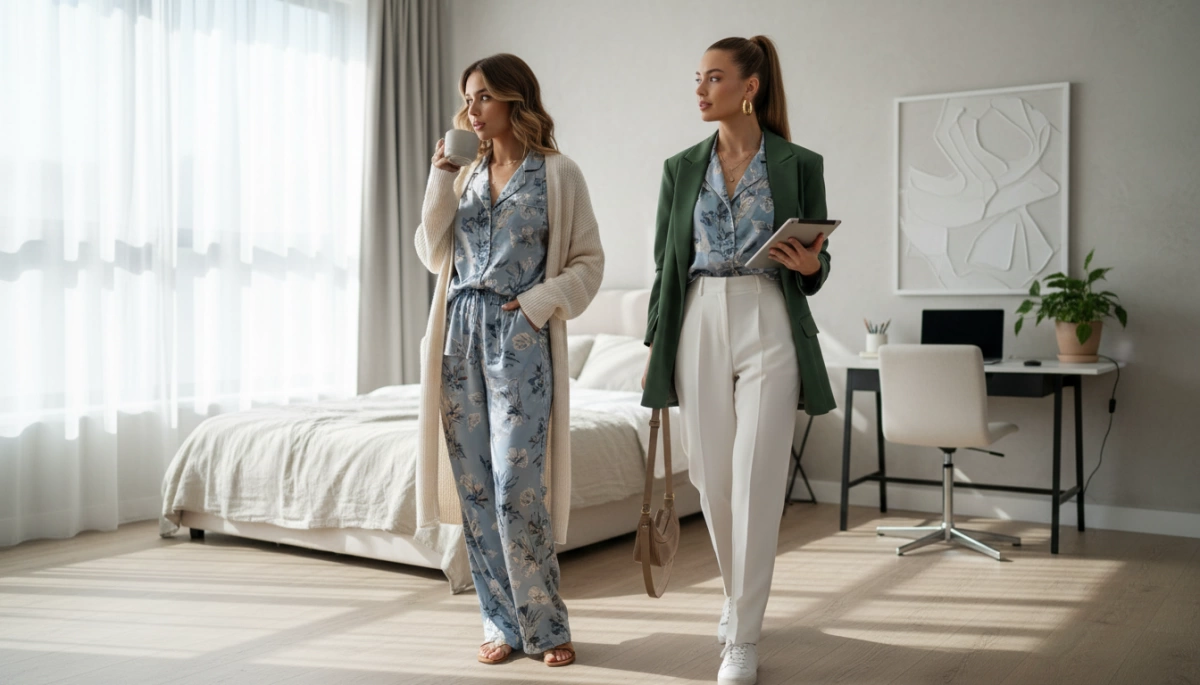
Do you want to get dressed for work in five minutes without wearing the same dull outfit every day? A minimalist capsule wardrobe can solve that problem, but only if every piece earns its place. The goal is not to own the fewest clothes possible. The goal is to own a small group of clothes that fit your schedule, work together, survive regular wear, and look polished with very little thought.
What Should a Professional Capsule Wardrobe Solve?
A good capsule wardrobe removes daily decisions. It should cover your real week: commuting, desk work, client meetings, video calls, business-casual offices, after-work plans, and laundry days. Start by checking your calendar from the last month. Count how many days required formal clothing, relaxed workwear, smart layers, and weather protection. Your wardrobe should reflect those numbers instead of copying a generic list from social media.
Start with weekly friction
Write down the moments that make dressing difficult. Perhaps you need a jacket for an early train, trousers that do not crease during a long commute, or tops that look sharp on camera. Those details define your capsule. A person who walks 30 minutes to work needs different shoes and outerwear from someone who drives to an office. Someone who travels twice a month needs washable layers and fabrics that recover quickly from packing.
Set a hard number
Begin with 20 core pieces, excluding underwear, sleepwear, gym clothes, accessories, and heavy winter coats. This limit creates focus without forcing unrealistic minimalism. Keep one or two pieces outside the capsule for formal events or strong seasonal weather. If a garment only works with one other item, it has not earned a core position. The strongest pieces create at least three complete outfits.
Define your dress code
Use your workplace rules as the starting point. A creative office may need more color and texture, while a corporate setting may need two jackets and several refined trousers. The clear verdict: build for your actual Monday-to-Friday routine, not an imaginary lifestyle. A smaller wardrobe that fits your calendar will save more time than a larger collection of beautiful but impractical clothes.
How Many Pieces Belong in a 20-Piece Work Capsule?

The table below gives a balanced starting point for a professional wardrobe. It favors repeatable separates over statement pieces, so you can create several outfits from the same base.
Use this allocation as your starting point
| Category | Quantity | What it should cover |
|---|---|---|
| Work trousers or tailored skirts | 4 | Four office-ready lower-half options |
| Blouses, shirts, or polished tops | 6 | Daily rotation with different necklines and sleeve lengths |
| Blazers or structured cardigans | 2 | Meetings, presentations, and cool offices |
| Knitwear | 3 | Layering over shirts and dressing down trousers |
| Work-appropriate dresses | 2 | Fast one-piece outfits |
| Smart shoes | 3 | Walking, formal meetings, and everyday office wear |
| Casual polished layer | 1 | Friday outfits or informal appointments |
| Total | 21 | Remove one item if you want a strict 20-piece capsule |
Choose the item to remove
For most busy professionals, remove the extra casual layer first. A blazer, cardigan, or overshirt can usually cover that job while doing more for your work outfits. If your office is formal, keep both blazers and remove one dress. If your office is relaxed, keep one blazer and use the spare space for a washable knit or comfortable shoe.
This allocation is a framework, not a shopping order. Do not buy six tops because the number says six. First, identify the categories missing from your current wardrobe. The verdict: prioritize the category that blocks the most outfits. If you own plenty of tops but only one pair of work trousers, buy the second and third pairs before adding another shirt.
How Do You Choose Colors, Fabrics, and Fits?
Color and fabric choices decide if your capsule feels effortless or restrictive. Pick a small color system that creates contrast without making every outfit loud.
Build a three-color base
- Choose two neutrals. Navy, charcoal, black, taupe, cream, and dark brown are reliable starting points. Pick one dark base for trousers and one light or mid-tone base for tops and layers.
- Add one accent color. Burgundy, olive, cobalt, soft pink, or rust gives the wardrobe personality. Repeat it in at least three pieces so it does not become a stranded statement color.
- Check every new item against five existing pieces. If you cannot make three outfits immediately, leave it in the shop. A capsule succeeds through combinations, not isolated favorites.
Match fabric to your commute
For long travel days, choose fabrics with stretch, smooth surfaces, or natural wrinkle resistance. Wool trousers, ponte, cotton poplin with a little elastane, and fine-gauge merino can handle repeated wear better than delicate linen or thin rayon. Breathable fabric matters in heated offices, but sheer fabric creates extra layering work. Check the care label before buying. Dry-clean-only clothing may look refined, but five such pieces can turn a supposedly simple wardrobe into an expensive weekly chore.
Fit for movement
Try sitting, reaching, walking, and carrying a bag before deciding that a garment fits. Trouser waistbands should not cut into you when seated. Jacket sleeves should reveal a small amount of shirt cuff. Skirt hems should stay in place when you walk. The verdict: choose a clean, comfortable fit over an oversized trend. If a garment needs constant pulling, steaming, or adjusting, it will not save time.
What Should You Buy First?
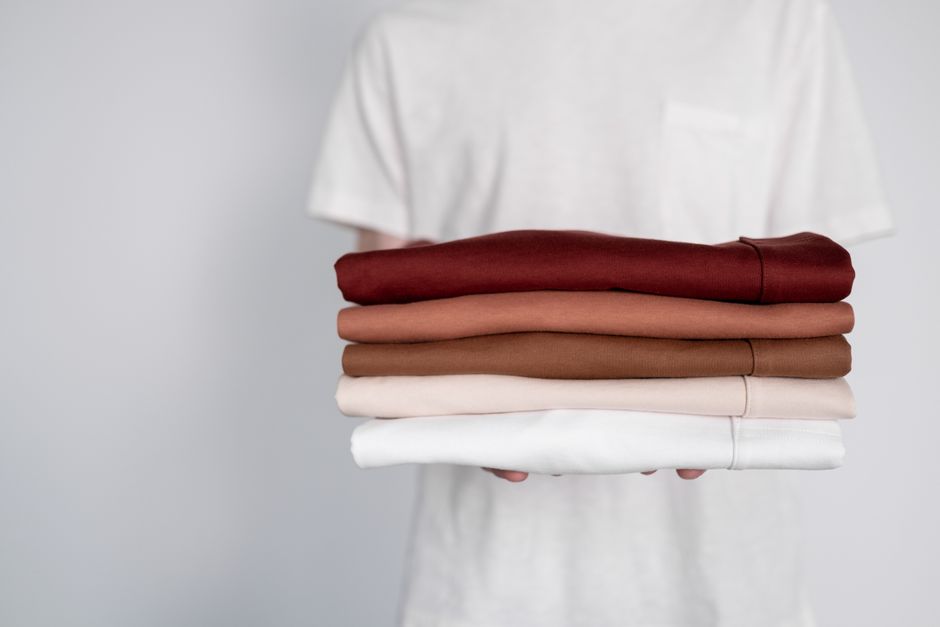
Buy the backbone before the personality pieces. Start with two lower-half options, two tops, one layer, and one reliable shoe. That six-piece base creates several outfits and reveals what the rest of the wardrobe actually needs.
Shop in replacement order
- Replace the item that causes the most morning delays, such as uncomfortable trousers or shoes that cannot handle your commute.
- Add a second color in the same category. Two pairs of well-fitting trousers are more useful than five tops that only match one pair.
- Buy one structured layer for meetings and one softer layer for ordinary desk days.
- Add tops with different levels of formality: one crisp shirt, one simple knit, and one polished short-sleeve option.
- Finish with accessories only after the clothing combinations work.
Useful products at different budgets
For a low-cost starting point, the Uniqlo AIRism Cotton T-Shirt is a practical base layer at roughly $20, while Uniqlo Smart Ankle Pants usually sit near the $50 mark. The ankle cut works well with flats, loafers, and clean sneakers, but it is less useful if your office requires full-length tailored trousers. For a softer premium layer, the Quince Mongolian Cashmere Crewneck is made from 100% Grade-A Mongolian cashmere and often costs around $50 to $100 depending on promotions. It is a strong choice for cold offices, but not the right pick if you need machine-washable clothing.
Everlane The Dream Pant, commonly priced around $98, is a better choice for professionals who want stretch and a cleaner trouser shape. Rothy’s The Point, often priced around $159, suits people who need a compact, polished flat for commuting and office wear. The clear buying verdict: choose Uniqlo for the cheapest functional foundation, Everlane for comfortable trousers that look tailored, and Rothy’s for a commute-friendly flat. Check current prices and fabric labels before ordering because retailers change them.
Capsule Wardrobe Questions Busy Professionals Ask
Can 20 pieces cover client meetings and casual Fridays?
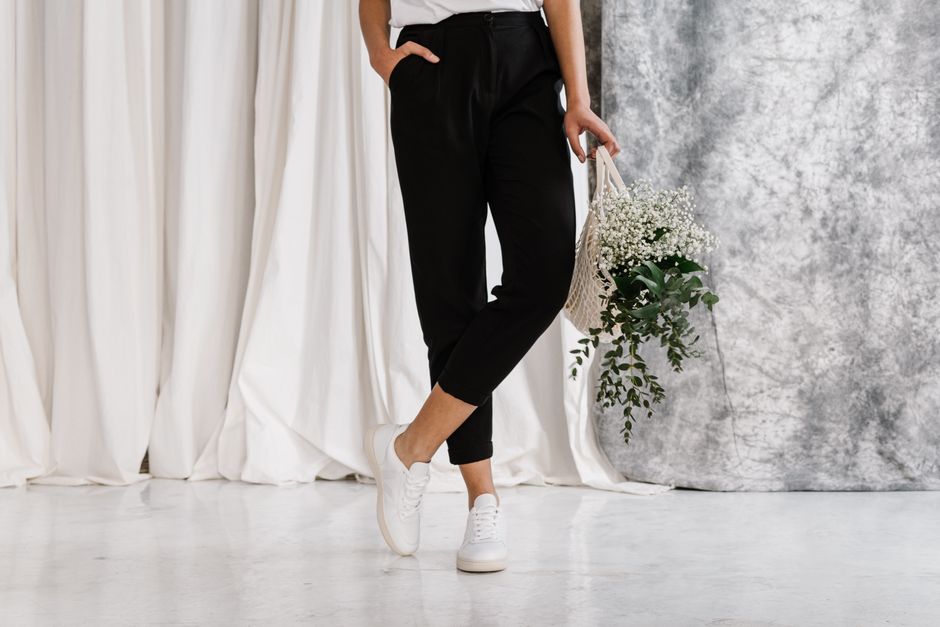
Yes, if at least two layers can raise the formality of a basic outfit. Wear a crisp shirt with tailored trousers for a meeting, then remove the blazer and switch to loafers or flats for a casual Friday. A dark trouser, neutral blazer, and clean shirt should form your most formal combination. Do not rely on a single “special” outfit. It will become overused and may be unavailable when you need it.
Should I buy a blazer first?
Buy a blazer first only if your workplace requires one or your current clothes look unfinished without it. Otherwise, start with trousers and tops because they create more daily combinations. For a formal office, a navy or charcoal blazer is the best first layer. For a relaxed office, a fine merino cardigan or neat overshirt may offer more wear. The right first layer is the one you will wear at least twice a week.
When should I skip a minimalist capsule wardrobe?
Skip a strict capsule if your job requires uniforms, protective clothing, frequent event dressing, or major seasonal changes that cannot fit into one small set. You can still use the method by creating separate mini-capsules for work, travel, and winter. Do not force every garment into a neutral palette if color is a major part of your personal style. The system should reduce stress, not turn dressing into a set of rules you resent.
For a busy professional starting from scratch, build a 20-piece capsule around four reliable bottoms, six washable tops, two structured layers, three knits, two dresses, and three smart shoes. Use navy or charcoal as the dark base, add one accent color, and buy the Uniqlo Smart Ankle Pants or Everlane The Dream Pant first if trousers are your daily bottleneck. That combination gives you the fastest route to polished outfits with fewer decisions.