You arrive ten minutes early, check your reflection in the lobby glass, and notice the problem: the blazer pulls across your shoulders, the trousers wrinkle at the knees, and the shoes hurt before the interview has started. The common mistake is assuming professional means wearing the darkest suit and highest heels you own. Strong interview attire does something more useful. It helps you look prepared, comfortable, and suited to the workplace without turning your clothes into the main story.
For 2026 interviews, the best approach combines dress-code research, clean fit, quiet structure, and one controlled personal detail. The right outfit should support your answers, not compete with them.
What Professional Interview Attire Really Needs to Signal
Polished does not mean formal at all costs
The best interview outfit communicates three things quickly: you understand the setting, you respect the meeting, and you can move through the day without constant adjustments. A full suit works for a law firm, finance office, senior leadership role, or formal client-facing position. It may look forced at a creative studio that values relaxed tailoring and practical clothes.
That distinction matters because clothes send context before you speak. A sharply pressed trouser, neat knit, and structured jacket can look more capable than a stiff suit that fits badly. Clean lines matter more than expensive labels. A $90 outfit altered at the waist and hem can look more convincing than a $900 suit with sleeves that cover the hands.
The strongest first impression is visual control
Choose one visual focus. If the jacket has a strong shoulder, keep the blouse simple. If the dress has a bold color, use quiet shoes and a plain bag. Avoid several attention-grabbing details at once, such as bright earrings, a loud print, a statement belt, and glossy party shoes.
Verdict: Dress one level more polished than the workplace’s everyday standard, then make fit and comfort your final test. That rule works better than copying a generic corporate uniform.
How to Match Your Outfit to the Interview Setting

Use the workplace as your dress-code evidence
Do not guess from the job title alone. Look at the company website, recent social posts, employee photographs, and the office location. A startup interview in a shared studio, a hospital interview, and a hotel management interview may all use the word “professional,” but they do not mean the same outfit.
| Interview setting | Best outfit direction | Common mistake |
|---|---|---|
| Law, finance, government | Matching navy, charcoal, or black suit with a modest shell or fine-gauge knit | Using a fashion-forward cut that looks more suited to eveningwear |
| Corporate office | Tailored blazer, straight trousers or knee-length skirt, closed-toe shoes | Wearing a blazer over casual denim or a visibly worn sweater |
| Creative studio or media role | Clean separates, refined knitwear, structured trousers, and one individual detail | Showing personality through novelty graphics or distracting accessories |
| Retail, hospitality, or client service | Comfortable polished layers that allow standing, walking, and easy movement | Choosing delicate fabrics or shoes that cannot handle a full shift |
Remote interviews need the same care from the waist up, but the camera changes the rules. Mid-tone colors usually read better than bright white, and small patterns can flicker on video. Place the camera at eye level, check the neckline in frame, and keep the background from competing with the jacket.
Verdict: For a conservative workplace, choose a matching suit. For a relaxed or creative workplace, choose tailored separates. The setting should decide the level of formality, not fashion trends.
The Seven-Minute Fit Check Before You Leave
Test the outfit as a moving body, not a mannequin
- Raise both arms. The jacket should move without lifting several inches or pulling across the back.
- Sit for two minutes. Check that the waistband stays flat, the skirt keeps suitable coverage, and the trousers do not strain at the hips.
- Walk a full hallway. Listen for heel clicks, trouser drag, loose buckles, and fabric that catches between the legs.
- Check the sleeves. A blazer sleeve should usually finish near the wrist bone. A blouse cuff can show slightly, but the hand should remain clear.
- Inspect the neckline. Bend forward naturally. The blouse should stay secure without repeated pulling or pinning.
- View the outfit from the side. Look for a blouse that gaps, a jacket that hangs away from the neck, or trousers that bunch below the seat.
- Pack a repair kit. Carry a stain remover pen, safety pins, blister covers, tissues, and a spare hair tie. Small problems become distracting when you cannot fix them.
Do this check the night before, not five minutes before leaving. If the outfit fails one test, change the piece instead of hoping adrenaline will make it comfortable. Interview nerves already create enough physical tension. Clothing should reduce decisions, not add more.
Fit also includes undergarments. Smooth lines under a lightweight blouse, a bra that stays in place, and tights that do not slide at the waist all protect your attention. You do not need shapewear or restrictive clothing. You need a base layer that lets the outer clothes hang cleanly.
Verdict: The outfit that passes the movement test is the better choice, even if it looks slightly less dramatic on the hanger.
Interview Outfit Questions Women Often Get Wrong
Is a dress more professional than trousers?
No. A simple sheath dress can look polished, but tailored trousers often give you more flexibility with temperature, walking, and layering. Choose the option that lets you sit, reach, and travel without monitoring the hem. For a dress, aim for a hem around the knee or below, a secure neckline, and fabric that does not cling under office lighting.
Can you wear color to an interview?
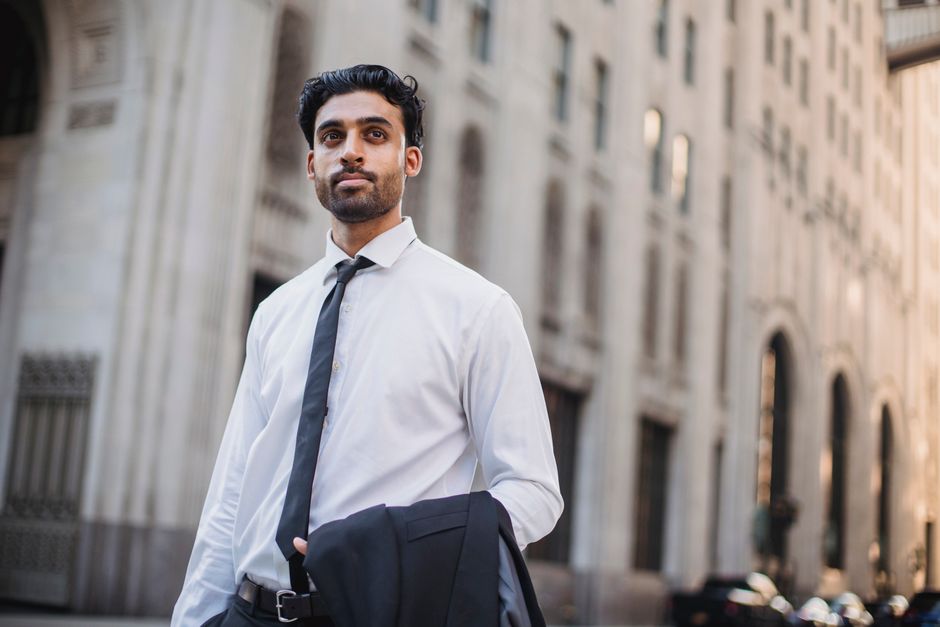
Yes, but use color with intention. Navy, burgundy, forest green, soft blue, and muted plum can look confident without overpowering the room. A colored blouse under a neutral jacket is safer than a full neon outfit. If the role involves design, fashion, beauty, or communications, a controlled color choice can show taste. Keep the shape restrained so the color remains the only statement.
Are flats or sneakers acceptable?
Flats are the safer choice when the dress code is unclear. A pointed flat, leather loafer, or low block heel can look formal while remaining practical. Clean minimalist sneakers can work in a relaxed workplace, but they should look intentional, spotless, and simple. Running shoes, heavily worn trainers, and bright athletic soles create the wrong signal for most first interviews.
Jewelry should stay quiet enough that it does not click against a desk or flash during a video call. Hair should look controlled rather than rigid, and makeup should survive several hours without demanding attention. The goal is not to erase personality. It is to show that you know how to manage visual details.
Verdict: Choose the most comfortable version of the expected dress code, then add personality through one color, texture, or accessory.
Which Workwear Pieces Are Worth Buying in 2026?
Start with one jacket that earns repeat wear
A useful interview wardrobe begins with a jacket that works with at least three bottoms. The J.Crew Margeaux blazer in four-season stretch is listed around $248–$258 and offers a polished option for corporate interviews without forcing a matching suit. Its stretch fabric makes it a better pick for travel and long waiting periods than a rigid jacket. Choose navy, charcoal, or a restrained plaid.
The COS wool-blend double-breasted blazer, listed around $249, has a stronger fashion shape. It suits a creative office or a candidate who wants more structure, but the double-breasted front can add visual volume. Do not buy it if the buttons pull or the shoulders extend past your natural line.
Choose trousers for movement, not just appearance
The M.M.LaFleur Foster Cigarette Pant is listed around $229 and gives a slim, office-ready line with enough structure for a formal interview. It makes the strongest pairing with a simple shell and a single-breasted jacket. For a lower-cost tailored look, a well-altered straight trouser from a department store can work just as well. Hem trousers so they meet the top of the shoe without folding heavily at the ankle.
Pick shoes according to the workplace
The Cole Haan Women’s GrandPrø Topspin Sneakers are listed at $160 in several colorways. They are a reasonable choice for a relaxed technology, creative, or modern retail setting, but they are not my pick for a bank, law office, or formal interview. For those settings, a leather loafer or low block heel wins because it matches the expected level of polish.
Verdict: For one dependable purchase, buy the jacket first. The J.Crew option is the most flexible, COS is the strongest style statement, and M.M.LaFleur earns its higher price when comfort and repeat wear matter more than budget.
The Best Outfit Formula for Each Interview Situation
For formal and conservative workplaces
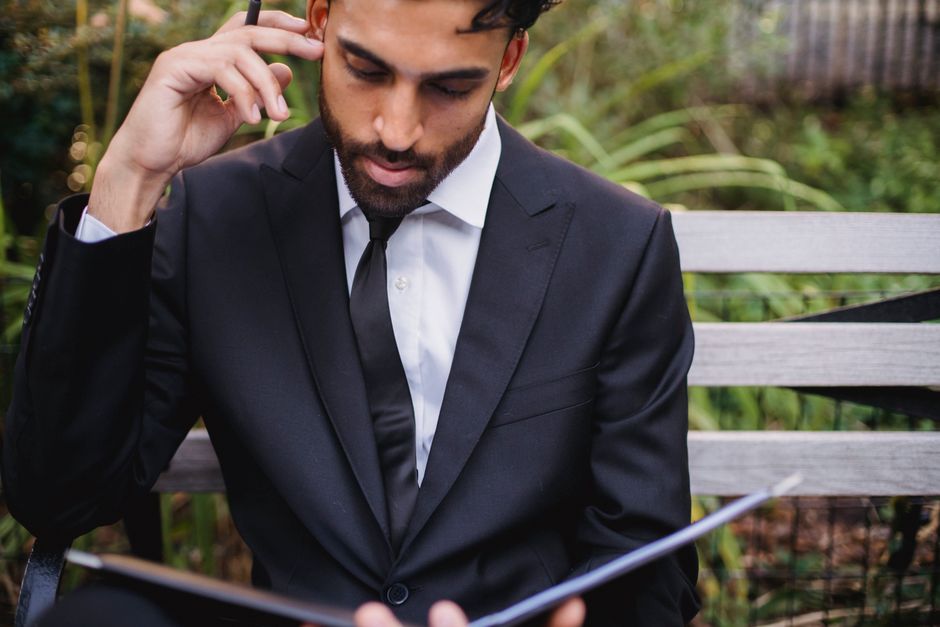
Wear a matching navy or charcoal suit, a plain shell, closed-toe leather shoes, and a structured tote. Keep jewelry small and skip visible logos. This formula removes uncertainty and lets your experience lead the conversation.
For modern corporate offices
Choose a single-breasted blazer, straight trousers, a fine-gauge knit, and loafers or low heels. Add one controlled color through the blouse or bag. This is the best all-purpose formula when the dress code feels polished but not rigid.
For creative or relaxed workplaces
Use tailored separates, a clean knit, and simple leather sneakers or loafers. The outfit can show more personality, but each item should still look cared for. Avoid clothes that resemble weekend loungewear.
| Situation | Best formula | Clear recommendation |
|---|---|---|
| Formal interview | Matching suit, shell, closed-toe shoe | Choose navy or charcoal and prioritize tailoring |
| Corporate interview | Blazer, straight trouser, fine knit | Choose the J.Crew Margeaux for maximum versatility |
| Creative interview | Structured separates, refined color, polished flat | Choose COS if you want a sharper fashion point |
| Relaxed workplace | Blazer, trouser, clean minimalist sneaker | Choose Cole Haan only when the office culture supports sneakers |
The winning outfit is the one that matches the room, stays comfortable through the entire appointment, and leaves you free to focus on the work. A clear fit, quiet grooming, and sensible shoes will carry more weight than a trend-led purchase.