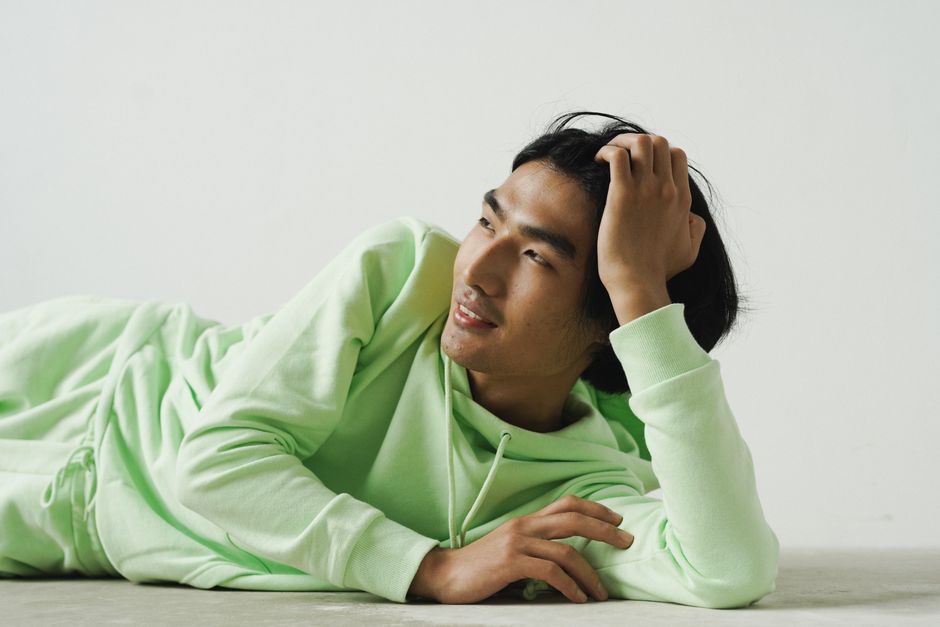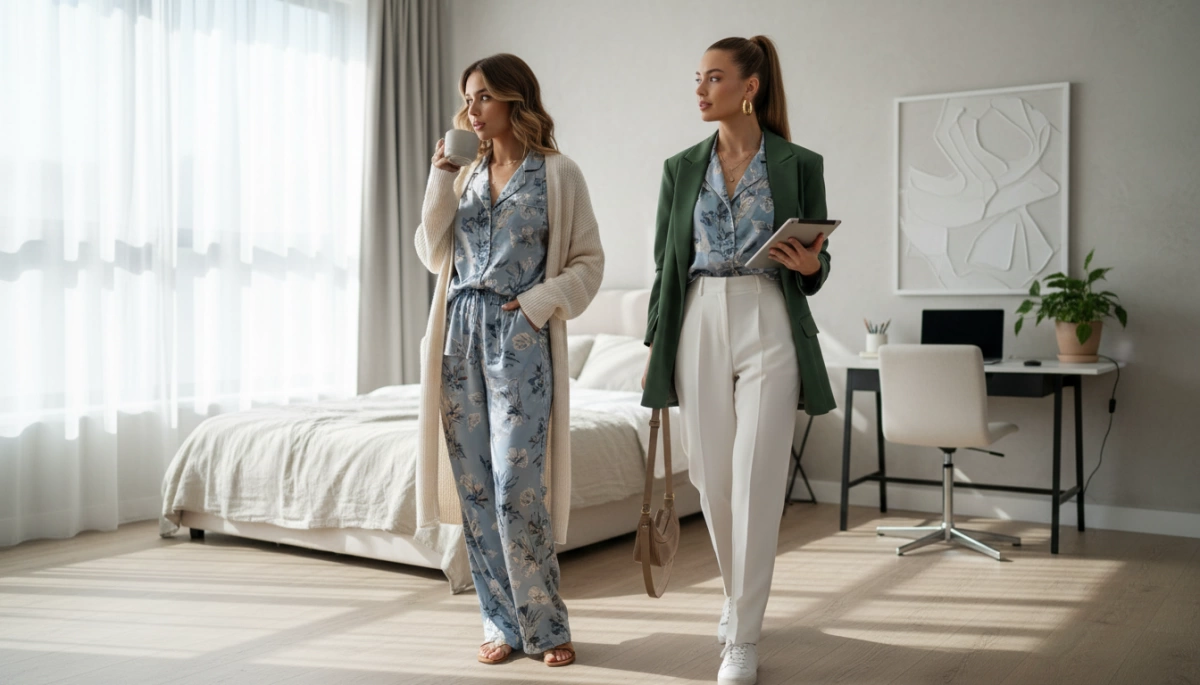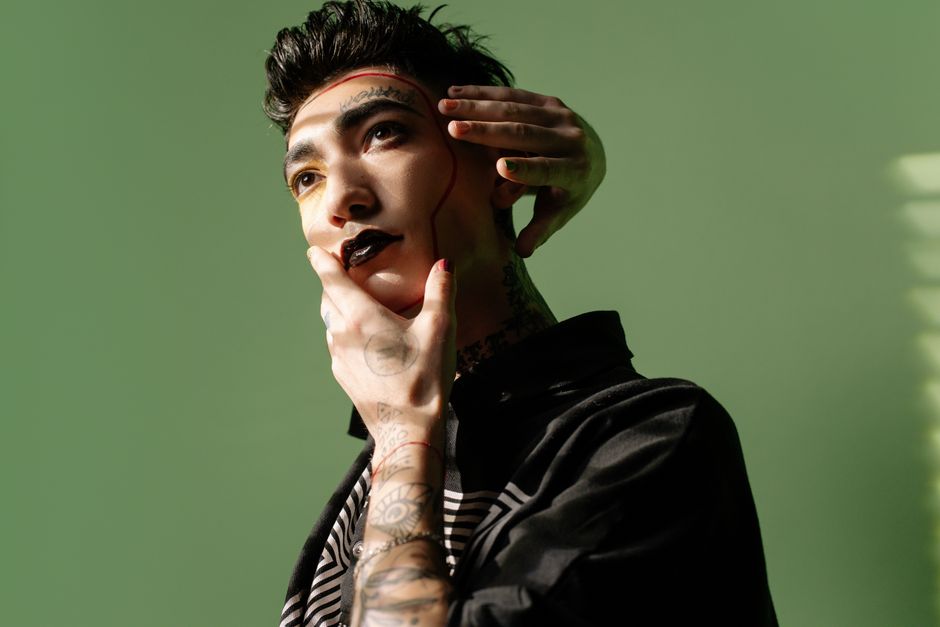
The common mistake is treating gender-neutral style as oversized clothing in beige, black, and grey. That formula can look flat, feel uncomfortable, and hide the person wearing it. A useful gender-neutral streetwear wardrobe is built around fit, movement, fabric weight, and repeatable outfit formulas rather than the label on a rack.
Start With Fit Measurements, Not Clothing Labels
Fit is the foundation of gender-neutral streetwear. A unisex label does not guarantee a universal fit. Two people can wear the same size and need very different shoulder widths, rises, sleeve lengths, or trouser hems. I stopped choosing pieces by the men’s or women’s section and began comparing measurements instead. That single change made shopping faster and reduced the number of clothes that sat unworn.
Measure the four areas that change an outfit
Use a soft tape measure and record shoulder width, chest circumference, natural waist, and inside leg. For tops, measure a garment you already like from armpit to armpit, then double that number. A relaxed streetwear tee usually needs around 10 to 18 centimetres of extra chest room, while a closer tee may need 5 to 10 centimetres. More room is not automatically better; excess fabric around the armpit can make the shirt twist when you move.
Choose one deliberate proportion
Pair a roomy top with a straighter or narrower bottom, or balance wide trousers with a shorter jacket. Avoid making every piece oversized. That removes shape and makes layering harder. A cropped overshirt that ends near the hip bone can work across many bodies, while a long hoodie may need a shorter outer layer to keep the outfit from looking heavy.
My rule is simple: buy the size that gives the intended shape, then tailor the hem if needed. A two-centimetre trouser adjustment often improves an outfit more than buying a more expensive brand.
Build a Five-Part Base Before Adding Statement Pieces
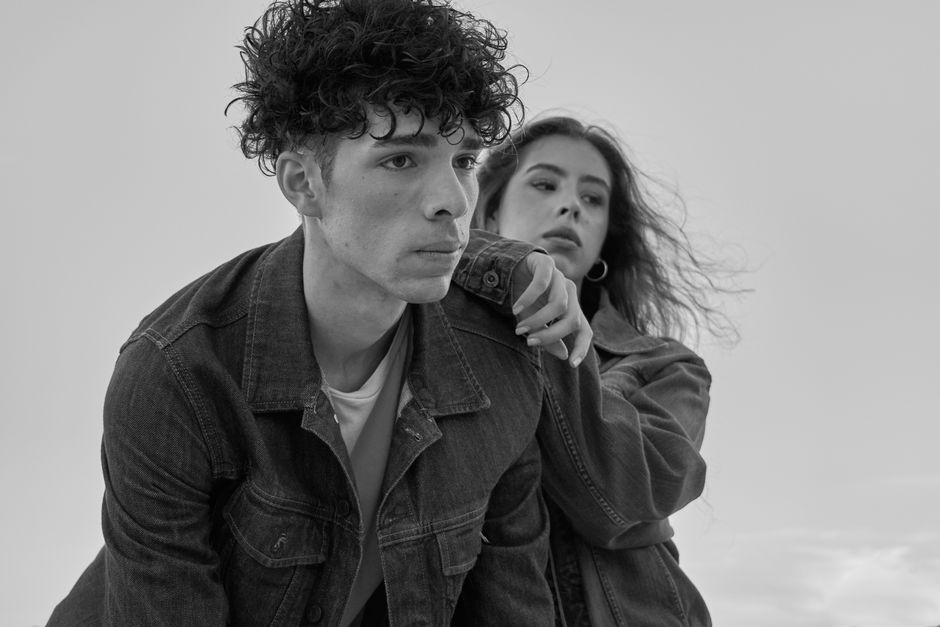
A wardrobe works best when its quiet pieces do most of the work. Streetwear looks expressive because of proportion, texture, and styling details, not because every garment has a loud logo. Start with a small base that can create at least ten outfits before buying graphic pieces or unusual colours.
- Two reliable tops: Choose one heavyweight cotton tee and one long-sleeve layer. A 200 to 240gsm jersey usually holds its shape better than a thin fashion tee.
- One overshirt: Pick cotton twill, denim, or nylon with enough room to sit over a tee. Check that the sleeve still bends comfortably when the cuff is closed.
- Two trouser shapes: Use one straight-leg pair and one relaxed or wide-leg pair. A 30 to 34 centimetre hem opening gives a visible change in silhouette without looking costume-like.
- One practical outer layer: A coach jacket, chore coat, bomber, or cropped puffer should add weather protection without swallowing the base layers.
- Two shoe options: Keep one low-profile sneaker and one chunkier or utility-inspired pair. The shoe shape changes the visual weight of the entire outfit.
This structure gives you options without creating a crowded closet. It also exposes gaps. If every outfit fails because the tops are too long, solve that fit problem before buying another colour. If trousers only work with one pair of shoes, check the hem before adding more trousers.
Compare Streetwear Silhouettes Before You Buy
The right silhouette depends on the visual balance you want. The table below helped me stop buying attractive individual pieces that did not work with anything else.
| Silhouette | Best base | Useful measurements | Main risk |
|---|---|---|---|
| Boxy top and straight trouser | Daily outfits and simple layering | 10–15cm chest ease; medium-rise trouser | Can look square without visible footwear |
| Oversized hoodie and tapered trouser | Casual, athletic, cold-weather looks | 18–25cm chest ease; hem near ankle bone | Too much fabric around the seat |
| Cropped jacket and wide trouser | Strong fashion shape with clear proportions | Jacket ending at high hip; 32–38cm hem opening | Short jacket can ride up when seated |
| Long coat and slim base | Commuting and layered winter outfits | Coat below hip; base layers close to body | Looks disconnected with very wide shoes |
My clearest everyday choice
The boxy-top and straight-trouser combination is the easiest place to begin. It works with low-profile sneakers, boots, and sandals, and it does not rely on height or a particular gendered body shape. For a reference point, the Uniqlo AIRism Cotton Oversized T-Shirt has a relaxed unisex shape, while Dickies 874 Work Pants offer a firmer straight-leg structure. These are useful examples because they show the difference between a soft top and a structured bottom.
When to choose stronger proportions
Use a cropped jacket and wide trouser when you want the outfit to look more styled. A Carhartt WIP Detroit Jacket with wide denim creates a clear top-and-bottom break, while Nike Air Force 1 ’07 sneakers add enough visual weight to support the trouser hem. Skip this combination if you dislike shorter jackets or if the trouser fabric bunches heavily at the shoe.
Fix the Mistakes That Make Neutral Wardrobes Feel Boring

Most weak streetwear wardrobes do not lack clothes. They lack contrast. Colour is only one kind of contrast; texture, length, shine, and structure matter just as much.
Why do black, grey, and white still look flat?
Because colour cannot carry the whole outfit. Combine a smooth cotton tee with ripstop nylon, washed denim, brushed fleece, or a textured knit. A black tee, charcoal trouser, and black sneaker can look stronger when the tee is matte, the trouser has a crisp crease, and the shoe has a different finish. Keep one visible difference between each layer so the outfit does not become one dark block.
Why do unisex clothes sometimes look careless?
Because “relaxed” has been confused with “poorly fitted.” Check the shoulder seam, sleeve break, trouser rise, and hem. If the shoulder falls far below the upper arm, the garment may be too large rather than intentionally dropped. If the trouser rise feels tight when sitting, sizing up may not solve the problem; choose a different cut with more room through the seat.
What should you do with graphic pieces?
Limit them to one focal point per outfit. A graphic tee, loud sneaker, or printed bag can lead the look. Three statement pieces compete for attention and make repeat outfits harder. Wash graphics inside out and avoid buying a design that only works with one pair of trousers.
Use a Twelve-Piece Edit to Test the Wardrobe
I prefer a small test wardrobe before making a large shopping order. Twelve pieces reveal fit problems quickly and show which colours you actually wear.
What belongs in the first edit?
Use three tops, two overshirts, two trousers, one short, one outer layer, two pairs of shoes, and one bag. Keep the palette to four main colours: for example, black, cream, olive, and faded blue. This is enough variety for workdays, weekends, travel, and casual evenings without creating a new outfit puzzle every morning.
How should you test each piece?
Wear every item at least three times in two weeks. Take one standing photo and one seated photo. Check whether the collar twists, the hem rises, the waistband digs in, or the fabric attracts lint. Also check your real routine: if a jacket has no secure pocket for your phone, you will probably leave it at home. If a shoe hurts after 30 minutes, styling potential will not rescue it.
Keep only pieces that form at least three complete outfits. A beautiful item that works once is a costume piece, not a wardrobe foundation.
My Verdict: Prioritise Shape, Comfort, and Repeat Wear
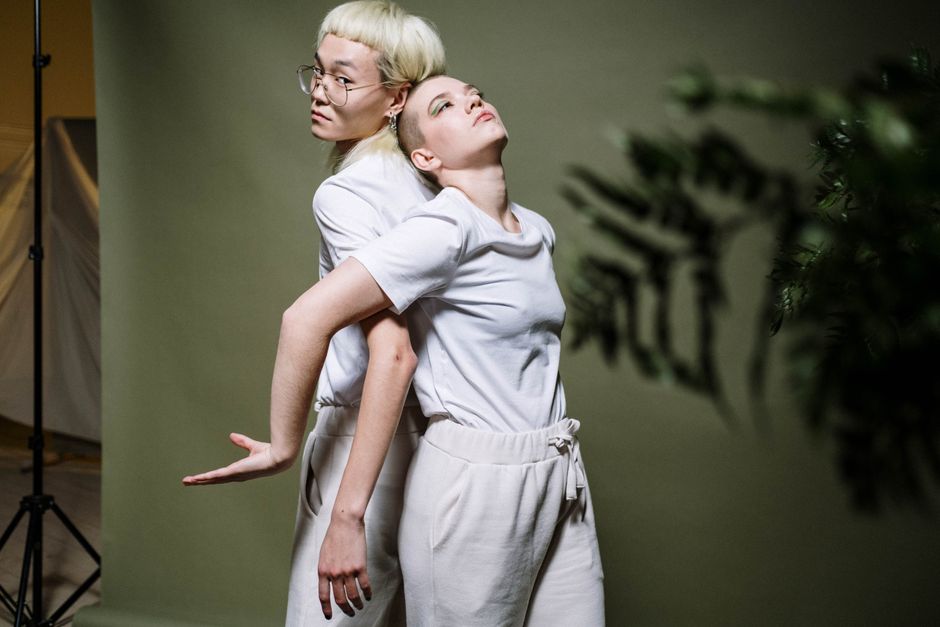
For most people, the best gender-neutral streetwear wardrobe starts with a relaxed tee, a structured overshirt, straight trousers, and a clean low-profile sneaker. That combination gives the widest range of outfits and makes fit problems easy to spot.
Do not buy a garment just because the cut is labelled unisex. Check the measurements, test the movement, and compare the piece with clothes already in your wardrobe. The strongest edit is not the one with the most unusual items. It is the one where every piece earns another wear.
My final buying filter has three questions: Can I wear it with at least three existing pieces? Can I sit, walk, and layer comfortably in it? Does it add a new shape, texture, or practical function? If the answer is no to two of those questions, leave it on the rail.