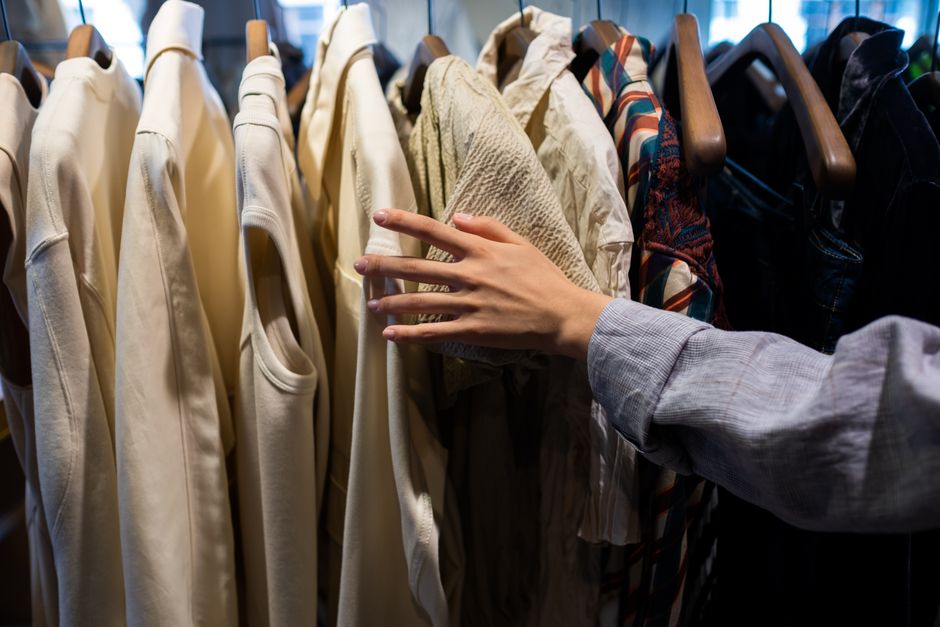
You open your wardrobe and find plenty of clothes, yet nothing feels right for work, weekends, or dinner. The usual answer is another shopping trip, but a better fix is a smaller wardrobe built around fit, repeat wear, repair, and honest material claims.
What Does an Ethical Wardrobe Actually Mean?
Start with the wear test
An ethical fashion wardrobe is not a collection of expensive labels or beige basics. It is a group of clothes that you wear often, care for properly, and keep in use for as long as possible. The first question is simple: can you picture at least 30 outfits with the item already in your wardrobe?
Look at four factors before the fibre label. Check the fit, because an uncomfortable shirt will sit untouched no matter how responsibly it was made. Check the construction, including strong seams, spare buttons, a useful hem, and fabric that suits the garment’s job. Check the care instructions, since a dry-clean-only item may demand more money and energy than a washable alternative. Finally, check the brand’s supply-chain information. A vague promise about being green tells you less than a named material, factory list, repair service, or published progress report.
Use a practical wardrobe target
Use this starting point for a normal week, then adjust it around your work and climate.
| Wardrobe area | Starter quantity | Useful target | Buying rule |
|---|---|---|---|
| Everyday tops | 4 to 6 | At least 30 wears each | Choose two neutral colours and two personal favourites |
| Trousers or jeans | 2 to 3 | One comfortable fit and one smarter option | Buy the pair you can move and sit in |
| Layering pieces | 2 to 4 | Works across at least three seasons | Prefer repairable seams and simple fastenings |
| Occasion clothing | 1 to 2 | Useful for several events | Rent, borrow, or buy second-hand first |
The best beginner definition is practical: an ethical wardrobe reduces needless buying while giving you clothes that fit your real life.
Buy Less Before You Buy Better
The verdict
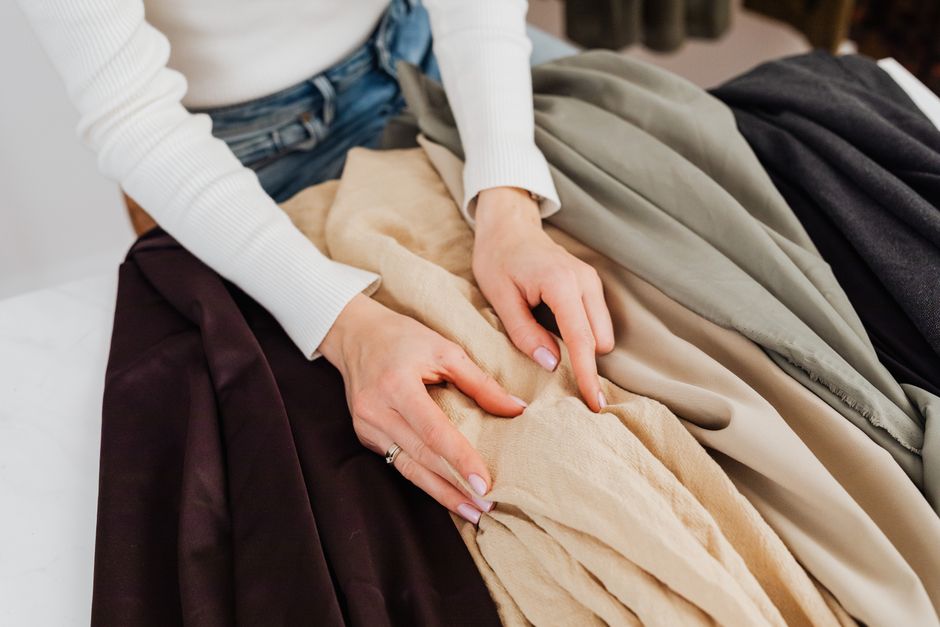
Buy less before you buy better. That is the strongest ethical choice for a beginner because the most sustainable garment is often the one already hanging in your wardrobe, and replacing serviceable clothes with new responsible versions still uses money, materials, transport, packaging, and labour.
Why this order works
Wear your current clothes for two weeks and record the pieces you reach for, the pieces you avoid, and the gaps that create repeat purchases; then repair, alter, swap, or buy second-hand before ordering new items, because this process reveals your actual style instead of the style a marketing campaign wants to sell you. A wardrobe audit also exposes common mistakes such as owning five black sweaters but no comfortable trousers, buying a fabric because it sounds natural while ignoring poor fit, or choosing a cheap item that loses its shape after three washes.
Which Ethical Basics Are Worth Buying First?
Best everyday top: Everlane Organic Cotton Box-Cut Tee
The Everlane Organic Cotton Box-Cut Tee is the best first purchase for someone who needs a simple, repeatable base layer. Its listed price is about $38, with sale pricing changing by colour and season. The boxy cut works with jeans, wide-leg trousers, skirts, and under a jacket, which gives it a better chance of reaching 30 wears. Choose a colour that fills a real gap rather than adding another near-duplicate to the drawer. The tradeoff is clear: organic cotton does not make a poorly fitting tee a responsible purchase, and cotton still needs water, processing, and transport.
Best warm layer: Patagonia Better Sweater 1/4-Zip
For a hard-working layer, the Patagonia Better Sweater 1/4-Zip is the strongest choice. The men’s version lists around $149 in the United States, while women’s versions can vary by season. It uses 100% recycled polyester fleece, has a quarter-zip collar, and is made in a Fair Trade Certified factory. The design suits travel, casual work, and outdoor use, so one layer can replace several lower-quality sweatshirts. Pick it if you will wear fleece often. Skip it if you live in a hot climate or dislike synthetic fibres; a cotton sweatshirt or second-hand wool jumper may serve you better.
Best long-term denim: Nudie Jeans Lean Dean
The Nudie Jeans Lean Dean Black Eyes is the best option here for someone who wants slim-tapered denim with a clear repair story. The US price is about $195, and the style uses 11.75-ounce organic cotton comfort-stretch denim with 99% cotton and 1% elastane. Nudie Jeans also builds its identity around repairs, resale, and keeping jeans in use. Do not buy this style simply because organic cotton appears in the description. The slim tapered cut is wrong for anyone who prefers a straight or relaxed leg, and a second-hand pair in the right fit is the better ethical purchase.
How to Build the Wardrobe Without Wasting Money
Follow this buying sequence
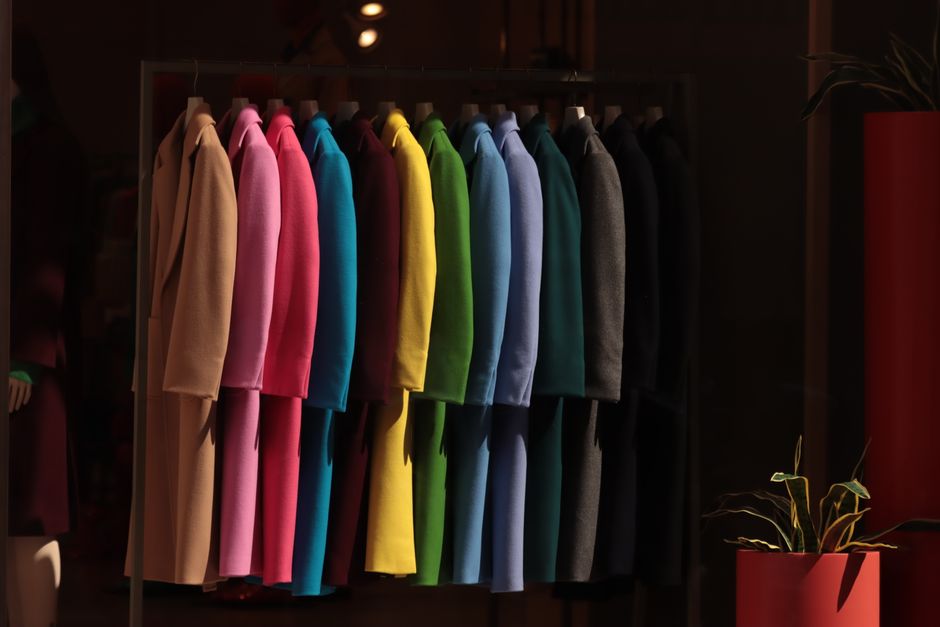
- Audit first. Photograph your usual outfits and list the three clothing problems you face most often, such as uncomfortable work trousers, weak layering pieces, or a lack of smart shoes.
- Set a 30-wear test. Before buying, name at least five outfits and three occasions for the item. If you cannot do that, leave it in the shop.
- Measure your best clothes. Record the waist, rise, inseam, chest, shoulder width, and garment length of items that already fit. Brand size labels are inconsistent, but measurements give you a useful reference.
- Check the fabric blend. Buy natural fibres when breathability matters, recycled synthetics when stretch or weather resistance matters, and avoid blends that make repair or recycling difficult when a simpler fabric would work.
- Inspect the weak points. Look at pocket corners, belt loops, underarms, zips, buttonholes, and inner thigh seams. These areas show poor construction quickly.
- Search second-hand. Use the exact brand, style name, colour, and size. A well-made used coat or pair of jeans can deliver the strongest value with less new production.
- Budget for care. Keep a small repair fund for buttons, hems, patches, and zip work. Care costs less than replacing a garment that only needs a ten-minute fix.
- Wait 48 hours. If the item still fills a named gap after two days, buy it. If the urge fades, you wanted novelty rather than the garment.
Know when not to buy
Do not buy a responsible-looking garment if the size is wrong, the care routine is unrealistic, the fabric feels uncomfortable, or the item only works with one outfit. A low-impact claim cannot rescue a purchase that becomes clutter. The best shopping order is audit, repair, second-hand search, then one carefully chosen new item.
Ethical Fashion Questions Beginners Ask
Is second-hand clothing always more ethical?
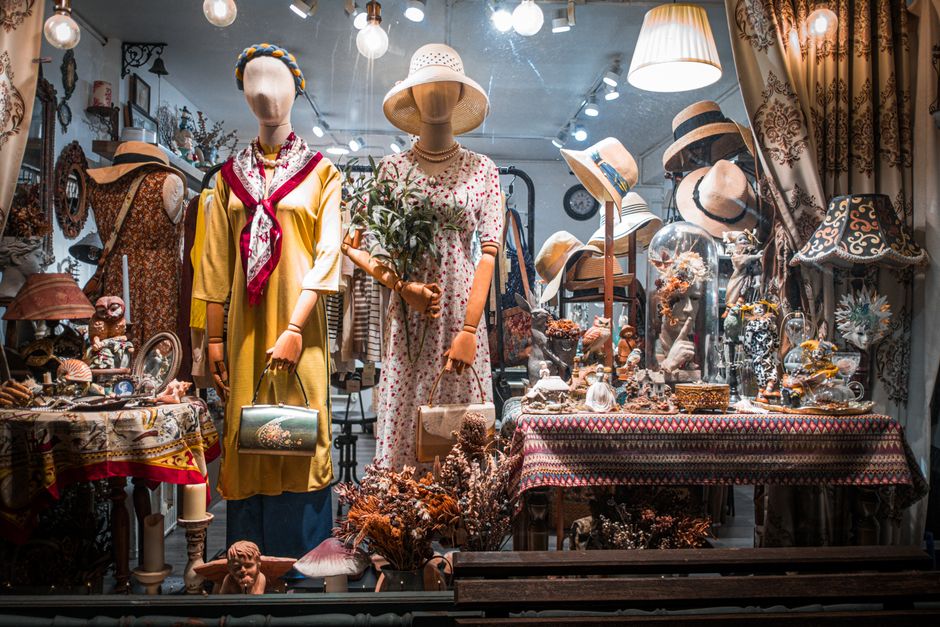
No single label answers every question, but second-hand clothing usually avoids the need for a new garment to be produced. It also gives you access to better construction at a lower price. Check the condition, fibre content, repair cost, and expected wear before buying. A damaged fast-fashion item that needs major work may be a worse choice than a durable new basic you will wear for years.
Are natural fabrics always better?
No. Linen, hemp, wool, and organic cotton each have useful qualities, but the full picture includes farming, dyeing, finishing, transport, washing, and the garment’s useful life. A recycled polyester jacket that keeps you warm for ten winters may be a smarter purchase than a fragile natural-fibre coat you replace every year. Choose the fibre for the job, then judge the construction and wear pattern.
How can a beginner spot greenwashing?
Look for details instead of slogans. A credible brand can usually explain the named fibre standard, production location, labour policy, repair or resale option, and limits of its claim. Be cautious when a brand highlights one recycled detail while hiding the garment’s main fibre, provides no factory information, or calls a normal polyester item sustainable without explaining why. The final rule is simple: buy the garment you will wear repeatedly, maintain, and keep out of the waste stream for as long as possible.