What should you wear when an invitation says black-tie optional instead of black tie? The safest answer is polished eveningwear that looks formal enough for a tuxedo-friendly room but does not require a full-length gown or traditional tuxedo. You have room to choose between a floor-length dress, a refined cocktail dress, a tailored suit, or a formal jumpsuit.
The phrase creates confusion because it gives guests two acceptable levels of formality. The host is saying that black tie is welcome, but a slightly less formal outfit can also work. That does not mean office tailoring, casual party clothes, or an ordinary wedding guest dress. Fabric, fit, shoes, and finish still need to look intentional.
What does black-tie optional actually mean?
Formal is safer than merely dressy
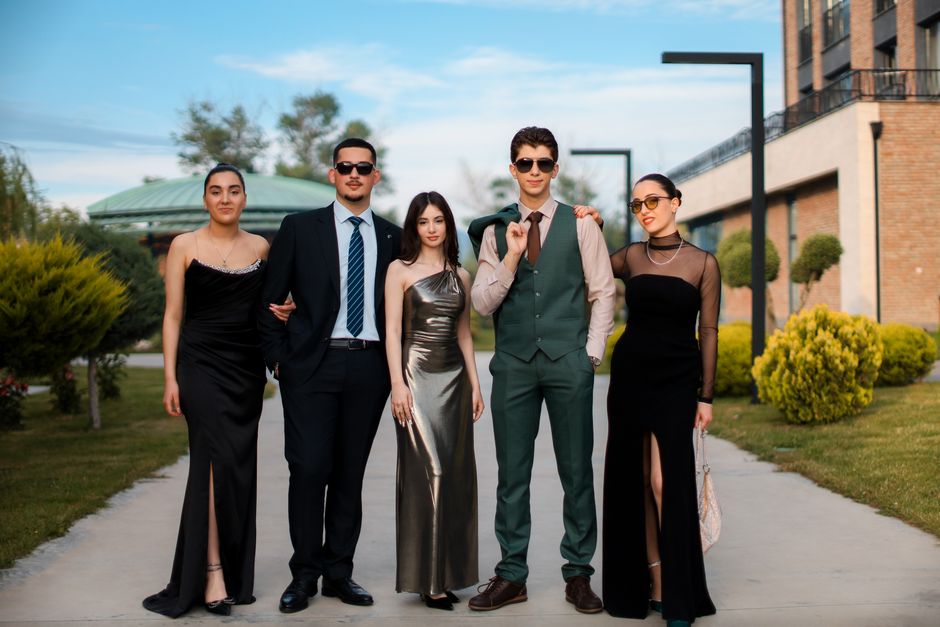
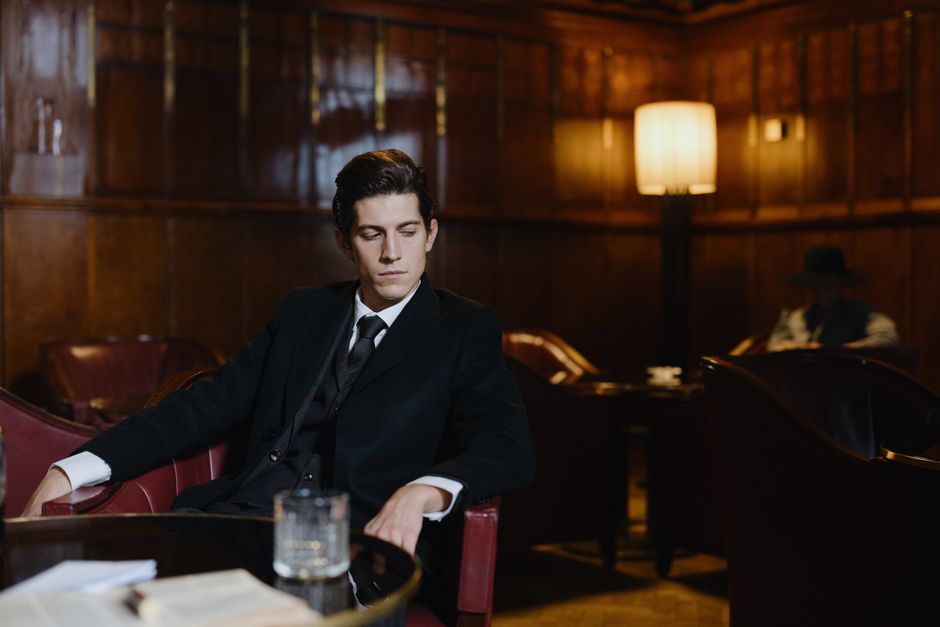
Black-tie optional sits between formal and black-tie dressing. For women, this usually means a long evening dress, an elegant midi dress, a sophisticated cocktail dress, a formal jumpsuit, or a dressy suit. For men, it usually means a tuxedo or a dark, well-tailored suit with a conservative shirt and dress shoes. The venue and event type can move the standard higher. A charity gala in a hotel ballroom calls for more polish than a small evening wedding at a restaurant.
The word optional refers to the tuxedo, not to effort. Guests can skip the traditional black-tie uniform, but they still need evening-appropriate clothing. A cotton sundress, daytime floral dress, casual blazer, or bright business suit will usually look out of place. The strongest outfits use dark or rich colors, clean lines, dress shoes, and fabrics with some sheen or structure.
The time and venue change the answer
Start with the invitation, then read the setting. Events that begin after 6 p.m. tend to support darker colors, satin, velvet, silk, crepe, and formal tailoring. A museum, hotel, theater, or private club usually calls for a more refined finish. An outdoor summer event may allow a lighter shade or a less structured dress, but the outfit should still look ready for photographs, dinner, and a formal receiving line.
Season matters, but it should not erase the dress code. Velvet and heavier crepe make sense in winter. Silk, satin, chiffon, and lightweight tailoring are easier in warm weather. If the invitation includes a wedding, gala, awards dinner, or fund-raising event, choose the more formal version when the wording leaves you uncertain.
One rule prevents most dress-code mistakes
Dress one step below black tie only when every detail is elevated. A simple black midi dress can work if it has a strong cut, formal shoes, evening jewelry, and a refined bag. A plain suit can work if the fabric is deep navy or charcoal, the tailoring is sharp, and the accessories do not look like office basics.
Best overall interpretation: treat black-tie optional as formal eveningwear with black tie available as the upper limit. When in doubt, choose a look that is slightly overdressed rather than one that appears ready for a normal workday.
How do six black-tie optional outfits compare?

The table below shows six reliable outfit formulas. Prices are typical listed prices and can change by season, country, or sale. The clothing formula matters more than buying the exact item.
| Outfit formula | Best setting | Key pieces | Main risk |
|---|---|---|---|
| Velvet tuxedo suit | Winter gala or evening wedding | Black velvet jacket, matching trousers, silk camisole, pointed pumps | Looking like office suiting if the fabric is too plain |
| Silk floor-length dress | Ballroom, charity dinner, formal wedding | Reformation Frankie Silk Dress, about $398, with metallic or black heels | Too much jewelry competing with the dress |
| Satin midi dress | Restaurant reception or city event | J.Crew Gwyneth Cupro Slip Dress, about $198, with a structured clutch | Looking like sleepwear without formal accessories |
| White dinner jacket and black trousers | Warm-weather formal event | COS tuxedo blazer, often around $250, with wide-leg black trousers | White fabric showing wrinkles or transparency |
| Jewel-tone cocktail dress | Wedding, theater, or evening reception | Emerald, burgundy, or sapphire dress with tonal shoes | Hemline becoming too short for the venue |
| Formal jumpsuit | Modern gala or creative black-tie venue | Wide-leg crepe jumpsuit, sculptural earrings, slim heel | Using a casual jersey or daytime jumpsuit |
For the safest result, the silk floor-length dress wins when the invitation feels formal and the venue is traditional. The satin midi dress is the most flexible choice for a city reception. The tuxedo suit is the strongest option for guests who want polish without wearing a dress.
Choose the formal jumpsuit only when its fabric and shape look deliberate. A wide leg, defined waist, covered shoulder, and clean neckline make it eveningwear. A loose romper shape, cargo pocket, or thin casual knit moves the look into a different category.
How can you build a formal look without overdressing?
Use this five-step process before buying anything. It keeps the outfit connected to the event instead of turning the dress code into a race for the most sparkle.
- Confirm the event setting. Check the venue, start time, season, and whether the invitation mentions dinner, dancing, a ceremony, or a gala. A formal wedding at 7 p.m. usually supports a darker, longer look. A summer rooftop event may suit a polished midi or tailored jumpsuit.
- Choose one main statement. The statement can be a velvet jacket, a rich jewel tone, a clean neckline, a dramatic sleeve, or a full-length silhouette. Do not combine a sequined dress, oversized earrings, metallic shoes, and a heavily decorated bag unless the event clearly calls for high glamour.
- Check the hem and movement. Walk, sit, climb stairs, and raise your arms before committing. A floor-length hem should skim the top of the shoe rather than drag on the ground. A midi dress should allow comfortable walking. A jumpsuit needs enough room through the rise and hips for sitting at dinner.
- Match the accessories to the fabric. Satin works well with polished metal, patent leather, or a small crystal detail. Velvet can handle pearls, gold, or a simple diamond-like stud. Matte crepe often looks best with sharper accessories. A small clutch usually looks more formal than a large shoulder bag.
- Make the shoes event-proof. A 2.5- to 4-inch heel is common, but comfort matters if the event includes standing or dancing. The Sam Edelman Hazel pump, often priced around $140 with a pointed toe and approximately a 3.75-inch heel, gives a classic formal shape. A lower pointed slingback can work if the rest of the outfit is strongly tailored.
The final test is visual balance. If the dress is dramatic, keep the jewelry restrained. If the outfit is simple, let the shoes, earrings, or bag add one controlled point of interest. This approach looks more expensive and photographs better than piling on formal details.
Which six outfits deserve your attention?
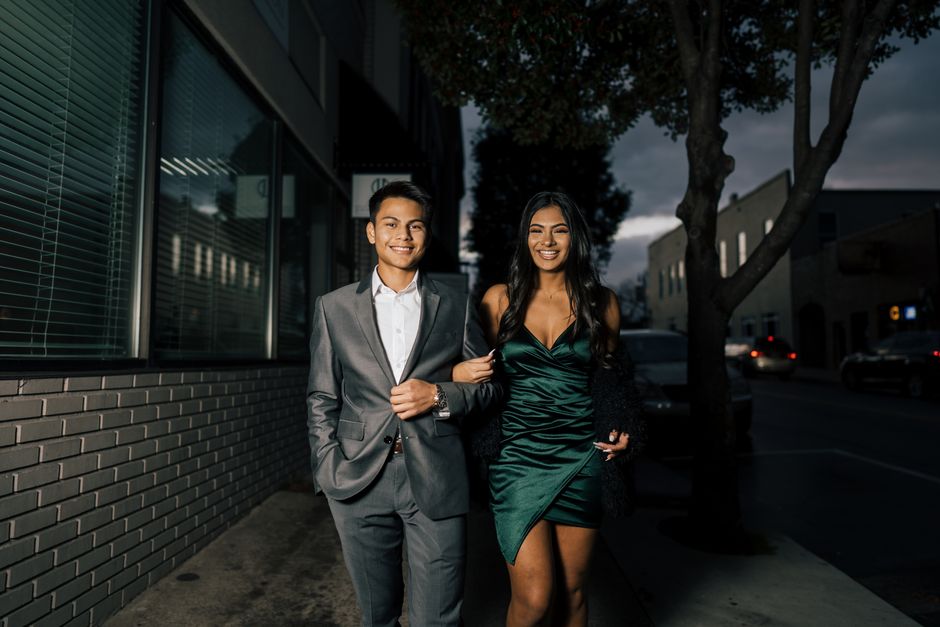
My strongest recommendation is a dark, tailored outfit with one evening fabric. It gives you enough formality for the black-tie guests while remaining comfortable beside people wearing cocktail dresses or suits. These six options cover the main ways to get there.
1. Black velvet tuxedo with a silk camisole
A black velvet jacket, matching trousers, and a silk camisole create the most dependable non-dress option. The texture signals eveningwear, while the trousers keep the outfit modern. The SuitSupply tuxedo range, often listed from roughly $599 depending on fabric and construction, is a useful reference for the clean proportion to seek: a close shoulder, moderate lapel, and trouser break that does not bunch over the shoe.
Wear pointed black pumps or slim patent loafers. Avoid a large work tote and a cotton blouse. For a winter gala, this is the best choice for someone who wants authority, warmth, and a clear formal finish.
2. Floor-length silk dress in black, navy, or burgundy
A floor-length silk dress is the closest option to full black tie. The Reformation Frankie Silk Dress, commonly priced around $398, shows the kind of fluid silhouette that works: a long line, a defined neckline, and fabric that moves instead of clings. Choose a dress that lets you sit comfortably and does not require constant adjustment at the bust or hip.
Keep the rest narrow and clean. One pair of earrings, a small clutch, and a polished heel are enough. This is the winner for a ballroom, museum gala, or evening wedding where you expect formal photographs.
3. Satin midi dress with a structured clutch
A satin midi dress is the most useful middle ground. The J.Crew Gwyneth Cupro Slip Dress, often around $198, offers a simple example of the shape: a slim line, a fluid surface, and enough length to feel more formal than a short cocktail dress. Add a cropped tuxedo jacket if the venue is cold or the dress has thin straps.
Satin can look like sleepwear when the accessories are too casual. Choose a structured clutch, pointed pumps, and earrings with a defined shape. Skip canvas bags, casual sandals, and an oversized denim layer. This outfit is best for a city reception or restaurant wedding.
4. White dinner jacket with black wide-leg trousers
A white dinner jacket makes a strong warm-weather alternative to a black dress. Pair it with high-waisted black trousers, a black silk top, and a narrow heel. The COS tuxedo blazer, often priced near $250, can serve as a reference for a sharp, minimal jacket with a formal lapel. Check the fabric in natural light before wearing white because wrinkles and transparency show quickly in photographs.
This look needs precise fit. The jacket sleeve should finish near the wrist bone, and the trouser hem should cover most of the shoe without touching the floor. It is the best pick for a summer gala or destination wedding.
5. Jewel-tone cocktail dress below the knee
Emerald, sapphire, burgundy, and deep plum give a cocktail dress enough presence for black-tie optional dressing. Pick a hem that reaches the knee or lower, a fabric such as crepe, satin, or silk, and a neckline that does not require repeated checking. A fitted but comfortable silhouette looks more formal than a very short dress covered in decoration.
Use tonal accessories instead of a random mix of colors. Burgundy shoes with a burgundy dress can look intentional; bright contrast can work too, but it should appear once. This option wins when you want color but do not want a floor-length gown.
6. Wide-leg formal jumpsuit
A black or midnight-blue jumpsuit can look fully formal when it has a defined waist, a wide leg, and a fabric with weight. Choose crepe, silk, velvet, or a smooth suiting cloth. Add sculptural earrings and a small metallic or black clutch. The jumpsuit should not have cargo pockets, a drawstring waist, jersey stretch, or a cropped ankle unless the event has a clearly modern dress code.
This is the best choice for guests who dislike skirts or need easy movement. Test the fastening before the event. A complicated back zip becomes a practical problem in a crowded restroom, and a hem that catches under the heel can make dancing awkward.
What mistakes make a black-tie optional outfit look wrong?
Can a short dress be black-tie optional?
Yes, but short should not mean casual. A knee-length or modest cocktail dress in satin, velvet, silk, or structured crepe can meet the dress code. A very short hem, bodycon jersey, nightclub cutouts, or beach sandals usually do not. The safer short option has coverage, strong tailoring, and formal shoes.
Is a black suit enough?
A black suit can work, but a standard office suit may look too plain. Improve it with a tuxedo-style lapel, a silk shirt or camisole, polished shoes, and a compact evening bag. If the fabric wrinkles easily or the jacket has a business cut, choose a velvet jacket or dark dinner jacket instead.
When should you avoid the most formal option?
Do not wear a sweeping gown or elaborate tuxedo if the invitation describes a casual outdoor gathering, daytime ceremony, or small restaurant event with limited seating. You may be technically dressed up but practically uncomfortable. A refined midi dress or tailored separates will usually serve you better.
What is the final verdict?
For most guests, the satin midi dress or velvet tuxedo suit offers the best balance of elegance, comfort, and dress-code accuracy. Floor-length silk is the safest upgrade for a grand venue, while the jumpsuit is the strongest alternative for movement and personal style.
No state law is discussed here; this is etiquette and styling guidance. This is not legal advice — consult a licensed attorney.
The single most important takeaway: choose formal evening fabric, a polished silhouette, and shoes you can actually stand and walk in.