You leave home in a silky slip dress for lunch, then realise the same outfit needs to work for rooftop drinks later. The answer is not a second dress. It is a smart base layer, a few deliberate texture changes, and one reliable shoe swap.
Why a Slip Dress Works From Morning to Evening
A slip dress earns its place in a summer wardrobe because it solves two problems at once: it feels light in warm weather, and its simple shape can take on different moods. The clean lines leave room for layers, accessories, and shoes to change the message of the outfit.
Choose the right cut first
Look for a dress that skims rather than clings. A midi hem around the mid-calf offers more styling options than a very short version, especially for daytime errands or an office with a relaxed dress code. Adjustable straps help you position the neckline, while a bias-cut skirt creates movement without needing extra volume. Satin, silk, and cupro catch the light at night, but a matte viscose slip dress often looks more casual during the day.
Keep the base simple
The strongest outfit starts with one clear focal point. A black, chocolate-brown, olive, cream, or muted blue slip dress gives you more combinations than a loud print. Keep jewellery delicate in the afternoon, then add one stronger piece after sunset. A narrow belt, cropped cardigan, denim jacket, or oversized blazer can change the proportions without hiding the dress completely.
The best overall choice is a midi slip dress in a solid colour with adjustable straps. It has enough polish for dinner but does not force every daytime outfit to look formal.
Build the Daytime Outfit Around Texture
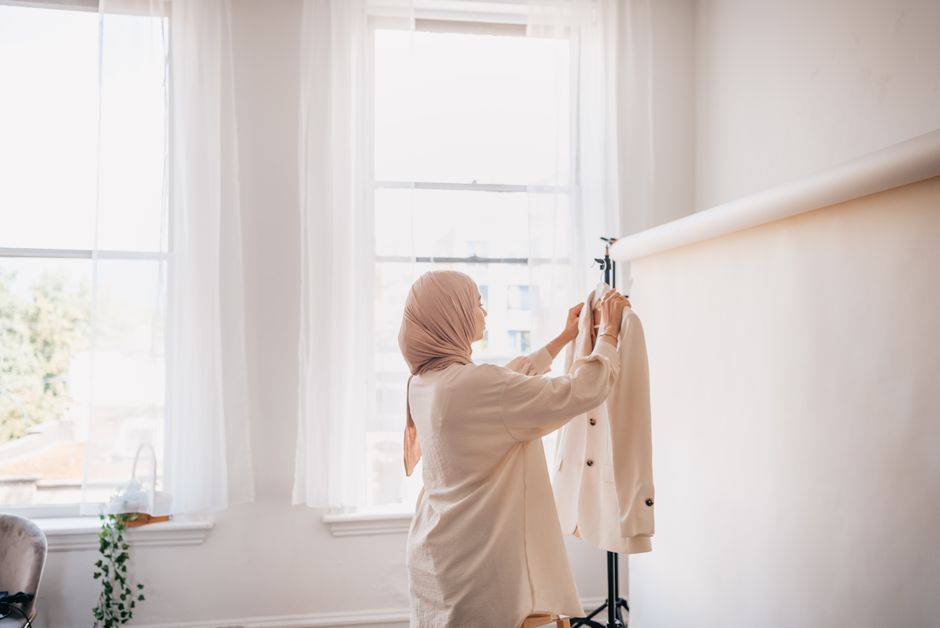
Daytime styling works when you soften the slip dress. Shiny fabric can look too evening-focused beside polished heels and a tiny clutch, but it feels relaxed beside canvas, cotton, denim, raffia, or leather with a worn finish. Texture matters more than adding lots of accessories.
Use a casual third layer
For a simple summer look, wear a white cotton T-shirt under the dress. Choose a close-fitting crew neck so the neckline stays neat, and tuck the shirt smoothly at the waist. A faded denim jacket creates a sharper contrast, while a loose linen shirt gives the outfit an airy holiday feel. Wear the shirt open or tie it once at the waist; avoid bulky knots that distort the slip’s drape.
Pick shoes that lower the formality
Flat fisherman sandals, canvas trainers, and woven espadrilles are the easiest daytime choices. The Adidas Samba OG keeps the outfit crisp and urban, while the Birkenstock Arizona in oiled leather makes a fluid satin dress feel more grounded. For a holiday lunch, the Soludos Dali Espadrille adds height without the stiffness of a court shoe.
A medium-sized leather tote or raffia bag completes the daytime proportion. Choose a bag that can hold sunglasses, sun cream, and a small cardigan. A micro-bag looks attractive but becomes impractical quickly.
Three Reliable Summer Styling Formulas
Use these formulas when you need an outfit quickly. Each one changes the slip dress without requiring a complete wardrobe reset.
- City daytime: Wear a black midi slip dress over a white ribbed T-shirt. Add white socks, low-profile trainers, a tan leather tote, and small gold hoops. This combination suits coffee meetings, shopping, and casual travel.
- Warm-weather lunch: Pair a cream or rust slip dress with flat leather sandals, a woven shoulder bag, and an oversized linen shirt. Push the sleeves above the elbow and leave the shirt open so the outfit stays light.
- Cooler afternoon: Add a fine-knit cardigan, low block-heel sandals, and a slim belt. Tie the cardigan at the waist only if the dress has enough room for the extra layer. Otherwise, leave it loose for a longer, cleaner line.
- Minimal resort look: Wear the dress alone with a wide-brim straw hat, leather slides, and a soft cotton scarf. Keep the palette close in tone: cream with tan, black with dark brown, or olive with natural straw.
The city formula is the most versatile because trainers and a T-shirt make even a glossy dress feel intentional rather than overdressed.
Make the Evening Change With Only Three Swaps
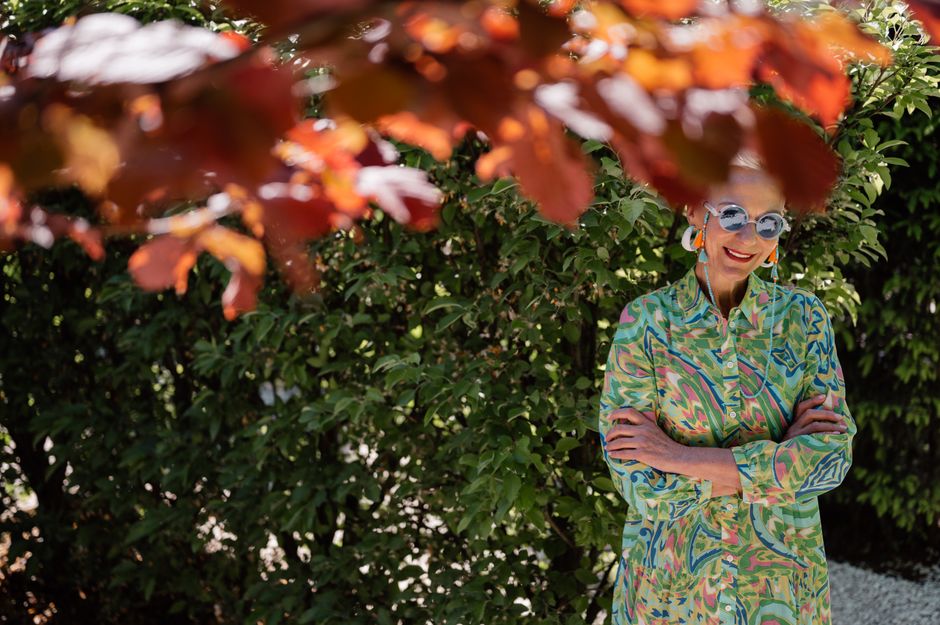
The evening look should change the finish, not bury the dress. Start with the daytime outfit, then make three focused swaps: remove the casual layer, change the shoes, and replace the practical bag. This approach keeps the outfit coherent and prevents the rushed feeling that comes from adding every dressy item at once.
Swap the shoes for shape and height
A strappy sandal with a 50–70mm heel usually gives enough lift for dinner without making a summer pavement walk miserable. The Sam Edelman Yaro sandal is a useful reference point: its slim straps and moderate heel look dressier than flats while staying less severe than a high stiletto. If you prefer flats, choose pointed slingbacks or metallic ballet flats. Their sharper toe gives the same visual polish through shape rather than height.
Change the bag and jewellery
Replace the tote with a compact shoulder bag or structured clutch. The Coach Tabby 20, for example, has a defined shape that makes a relaxed slip dress feel more considered, though its compact size means you must edit what you carry. Add sculptural earrings, a cuff, or a pendant that follows the neckline. Two or three intentional pieces look better than a pile of unrelated jewellery.
Finish with a sheer lipstick, brushed brows, and a low bun or soft waves. The winning evening version is not necessarily more revealing. It simply has sharper accessories and cleaner lines.
Which Layers Work Without Ruining the Shape?
The wrong layer can make a slip dress look lumpy, flat, or accidentally like sleepwear. The solution is to match the layer to the dress’s volume and fabric.
When should you wear a T-shirt underneath?
Choose a T-shirt when the dress has a simple neckline and a relaxed fit through the bodice. A smooth cotton or modal tee works best because it creates little bulk. White gives the strongest contrast, while black or tonal grey creates a quieter effect. Avoid thick graphic tees under a thin satin dress; the print and seams will show through.
When is a blazer the better choice?
Use a blazer when you need more structure for dinner, travel, or an air-conditioned venue. A single-breasted blazer that ends near the hip usually balances a midi hem well. A sharply oversized blazer can work too, but keep the rest of the outfit simple and wear it open. The Mango tailored blazer is a useful affordable reference, while the & Other Stories relaxed blazer offers a softer shoulder and longer line at a higher price.
When should you skip layers?
Skip the extra layer when the dress already has ruching, lace, a cowl neckline, or an unusual back detail. Those features provide enough visual interest. A layer may hide the part that makes the dress special and leave the outfit looking crowded.
Common Slip Dress Mistakes to Avoid

Most failed slip-dress outfits do not fail because of the dress. They fail because the proportions, underwear, or fabric do not suit the setting.
- Visible underwear lines: Choose seamless briefs and a smooth, supportive bra. If the dress is very thin, use a half-slip or look for a lined version instead of relying on shapewear that creates new ridges.
- Too much shine in daylight: Balance satin with denim, canvas, cotton, or flat leather. A satin dress, patent heels, and a glittering bag can look like eveningwear at 10 a.m.
- The wrong hem length: A midi hem should finish at a narrow part of the calf or sit close to the ankle. If it stops at the widest part of the calf, the leg can look visually cut in half.
- Over-layering: Do not combine a T-shirt, cardigan, belt, blazer, scarf, and statement necklace in one outfit. Select one layer and one strong accessory.
- Ignoring the weather: Thin straps offer little protection from sun or evening wind. Keep a light linen shirt or compact cardigan nearby so the outfit remains practical.
Do not buy a delicate bias-cut slip dress if you need a machine-washable daily dress or dislike checking for snags. A cotton-poplin midi or lightweight jersey dress will handle frequent wear better and usually needs less careful storage.
Is a Slip Dress Right for Your Summer Plans?
For hot city days that turn into dinner, a solid-colour midi slip dress is the best choice because one base can shift from casual to polished in minutes. It works especially well when you pack light, travel between indoor and outdoor spaces, or want an outfit that does not look overworked.
For long walks, active sightseeing, or very casual daytime plans, choose a cotton or jersey dress instead. Silk and thin satin can crease, catch on bags, and expose every mark from a crowded commute. For formal weddings, check the dress code before styling a casual slip with trainers or denim. The same silhouette can look elegant, but the fabric and accessories must meet the occasion.
When the afternoon begins with a T-shirt, flat sandals, and a roomy tote, the outfit feels easy rather than precious. Later, remove the T-shirt, switch to a moderate heel, add defined earrings, and carry a compact bag. That small sequence solves the lunch-to-rooftop problem without sending you home to change.