Most packing lists are wishful thinking. Ten pieces that supposedly create infinite outfits—until you’re in a hotel room realizing nothing goes together and you’ve worn the same jeans for four days straight.
The problem isn’t the number. It’s the math.
A real 10-piece capsule isn’t about owning less. It’s about every single piece multiplying with every other piece. One top that works with three bottoms creates three outfits. Add a layer, you get six. The formula is simple but the execution requires brutal honesty about what you actually wear versus what you pack for a fantasy version of yourself.
Here’s the system that works. No vague advice about “versatile neutrals.” Specific pieces, specific combinations, and a color rule that prevents the all-black uniform most people default to.
The 3-3-3-1 Formula: Why Most Capsules Fail Before You Leave
Most travel capsules are built on hope. You hope the weather cooperates. You hope the dinner reservation doesn’t require anything dressier than sneakers. You hope you’ll actually want to wear that statement piece on day five when you’re tired and just want comfort.
The 3-3-3-1 system removes hope from the equation.
Three tops, three bottoms, three layers, one dress or one-piece alternative. That’s it. Ten pieces total, shoes included in the count. Each top must work with each bottom. Each layer must work over each top. The dress must work with at least two layers and standalone.
This isn’t a suggestion. It’s a mathematical constraint that forces compatibility. If you pick a printed blouse that only works with one pair of pants, it fails the test. Cut it.
The magic number of outfits from this system: 27 minimum, assuming the dress creates at least three looks on its own. That’s nearly a month of different combinations from carry-on luggage.
| Category | Pieces | Selection Rule | Example (Women’s) | Example (Men’s) |
|---|---|---|---|---|
| Tops | 3 | All solid, all work with all bottoms | White silk tee, black merino crewneck, grey cotton-linen button-down | White oxford, navy merino tee, grey linen button-down |
| Bottoms | 3 | At least one tailored, one casual, one dark | Black wide-leg trousers, dark indigo jeans, cream linen pants | Charcoal chinos, dark selvedge jeans, stone linen shorts |
| Layers | 3 | Different weights for temperature range | Cashmere cardigan, denim jacket, trench coat | Merino V-neck sweater, chore jacket, mac coat |
| One-Piece | 1 | Works alone and under at least 2 layers | Navy midi slip dress | N/A (add a fourth top instead) |
The color rule that prevents the all-black trap: Pick two neutrals and one accent. Not three neutrals. Three neutrals is how you end up looking like you’re attending your own funeral in every vacation photo. My standard palette: cream, navy, and rust. Swap rust for olive, burgundy, or ochre depending on your coloring. But pick one warm tone and commit.
Fabric First: The Materials That Earn Their Suitcase Space
Cotton is a terrible travel fabric. It wrinkles, it holds odor, it takes forever to dry, and it provides zero insulation when wet. Yet people keep packing cotton t-shirts and cotton chinos because that’s what they wear at home.
Travel changes the requirements. You need fabrics that can be worn multiple times without washing, dry overnight after a sink rinse, and resist wrinkles after eight hours on a plane.
Merino wool: The one-fabric solution
Merino doesn’t hold odor. You can wear a merino t-shirt for a week straight without it smelling—I’ve tested this across a 10-day trip with one Uniqlo merino crewneck. It regulates temperature in both heat and cold, dries in a few hours, and drapes better than cotton. The downside: it’s delicate. Hand wash or use a laundry bag. Uniqlo’s merino line ($30-40 per piece) is the best value entry point. Icebreaker and Outlier make tougher versions at higher prices ($80-120).
Technical synthetics that don’t look technical
Most travel pants look like hiking gear because they are. Brands like Outlier and Western Rise solved this by making pants from nylon and elastane blends that drape like wool trousers. Outlier’s Slim Dungarees ($198) are the benchmark—water-resistant, four-way stretch, and they look like normal chinos. Western Rise Evolution pants ($129) are the cheaper alternative that gets you 80% of the performance.
Linen blends, not pure linen
Pure linen wrinkles if you look at it wrong. Linen-cotton blends or linen-Tencel blends give you the breathability without looking like you slept in your clothes. Everlane’s linen-cotton shirts ($55) hit the sweet spot for summer travel.
What to avoid: rayon, viscose, and modal in 100% form. They shrink unpredictably, wrinkle badly, and lose shape when damp. Blends are fine. Pure versions are a packing mistake.
Shoes: The Hardest Part of a 10-Piece Capsule
Shoes kill capsules. They’re heavy, bulky, and you need different ones for different activities. The hard truth: you get two pairs in a 10-piece count. Three if one pair is sandals and you’re traveling in summer.
One pair on your feet for travel day (the heaviest, bulkiest pair). One pair packed. That’s it.
The two-shoe solution
Pair one: A clean white leather sneaker. Not canvas. Leather because it wipes clean, handles light rain, and looks acceptable with trousers in a pinch. Veja V-10s ($165) or Koio Capris ($268) for the quality pick. Adidas Stan Smiths ($90) for the budget option.
Pair two: Depends on your trip. City travel with nice dinners? A black leather Chelsea boot with a rubber sole—Blundstone 558s ($210) are indestructible and comfortable enough for 15,000-step days. Beach or warm-weather trip? Leather sandals that don’t look like pool slides. Ancient Greek Sandals ($235) or the cheaper Everlane Day Sandal ($98).
The shoe rule: both pairs must be walkable for at least five miles. If you can’t walk five miles in them, they don’t come. This eliminates most dress shoes immediately. Your feet don’t care about your dinner reservation.
The Specific 10-Piece List (Women’s, Summer-Fall Travel)
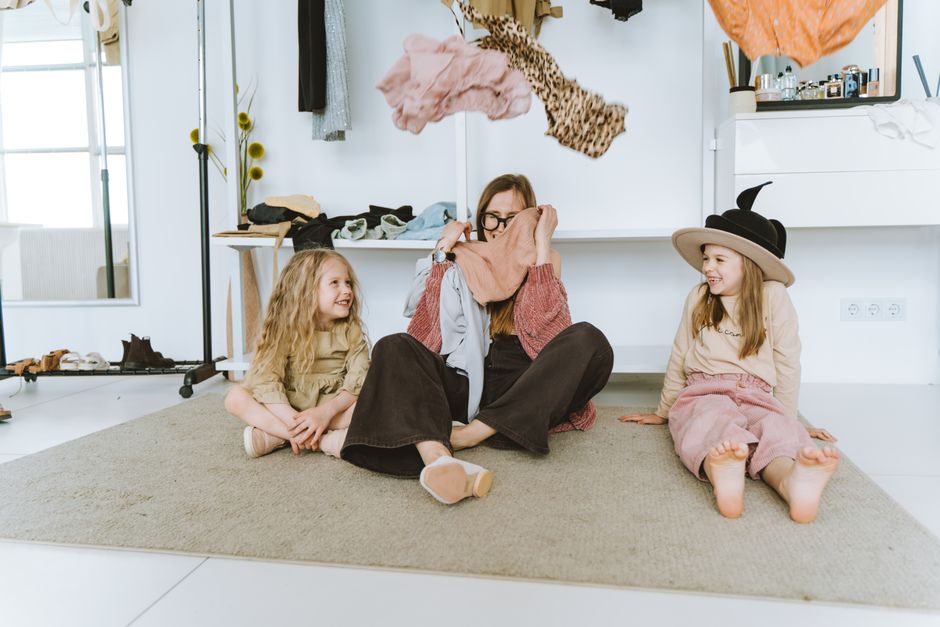
This exact list creates 30+ outfits. I’ve used variations of it for trips from two weeks to six weeks across Europe and Japan. It works because every combination was tested before packing, not discovered on the road.
- White silk or Tencel t-shirt — Grana silk tee ($45) or Everlane Clean Silk tee ($65). Machine washable silk exists now. Use it.
- Black merino wool crewneck — Uniqlo ($40). The workhorse. Worn alone, under blazers, over dresses.
- Striped cotton-linen button-down — Everlane ($55). The pattern piece. Stripes add visual interest without breaking the color rule.
- Black wide-leg tailored trousers — ADAY Turn It Up pants ($135). Technical fabric, looks tailored, packs to nothing.
- Dark indigo straight-leg jeans — Levi’s Ribcage Straight ($98). No distressing, no raw hems. Clean jeans only.
- Cream linen-blend wide-leg pants — Muji linen-cotton blend ($50). The warm-weather bottom that isn’t shorts.
- Navy cashmere cardigan — Naadam or Everlane ($100-150). Lighter and warmer than cotton sweaters, looks more polished.
- Oversized denim jacket — Levi’s ($98). The casual layer that dresses down the silk skirt and dresses up the jeans.
- Beige trench coat — Mango or COS ($150-250). The rain layer, the wind layer, the “I need to look put-together” layer.
- Navy midi slip dress — ADAY or Grana ($100-130). Alone with sandals, under the cardigan with boots, under the denim jacket with sneakers.
Shoes: Veja V-10 white leather sneakers on the plane. Black Blundstone Chelsea boots packed. That’s 12 items total counting shoes, but the 10-piece rule applies to clothing only—shoes are separate math.
When the 10-Piece Capsule Fails
This system breaks under specific conditions. Knowing when it fails is more useful than pretending it works everywhere.
Multi-climate trips. Going from London in November to Bangkok in November? The 10-piece system collapses. You need a cold-weather capsule and a warm-weather capsule, and they don’t overlap enough to share pieces. The solution: pack a 7-piece warm capsule and wear your cold-weather layers on the plane. Accept that you’ll check a bag.
Formal events. A wedding, a gala, a business conference with a strict dress code. One formal piece breaks the math because it only creates one outfit. If you must attend a formal event, the capsule expands to 12 pieces minimum. The dress or suit comes as piece 11.
Fitness requirements. If you’re actually training—not just “maybe I’ll go for a jog”—you need dedicated gear. Running shoes, sports bras, shorts. These don’t cross over with your main capsule. Pack them in a separate packing cube and don’t count them toward your 10. They’re equipment, not clothing.
The biggest failure mode: packing for your aspirational self. The version of you who wears heels on cobblestones, who changes for dinner every night, who accessorizes. Pack for the you who gets tired, who wants comfort after hour six of walking, who will wear the same thing twice because nobody cares. That’s the real you. Pack for her.
The Pre-Trip Test You’re Skipping
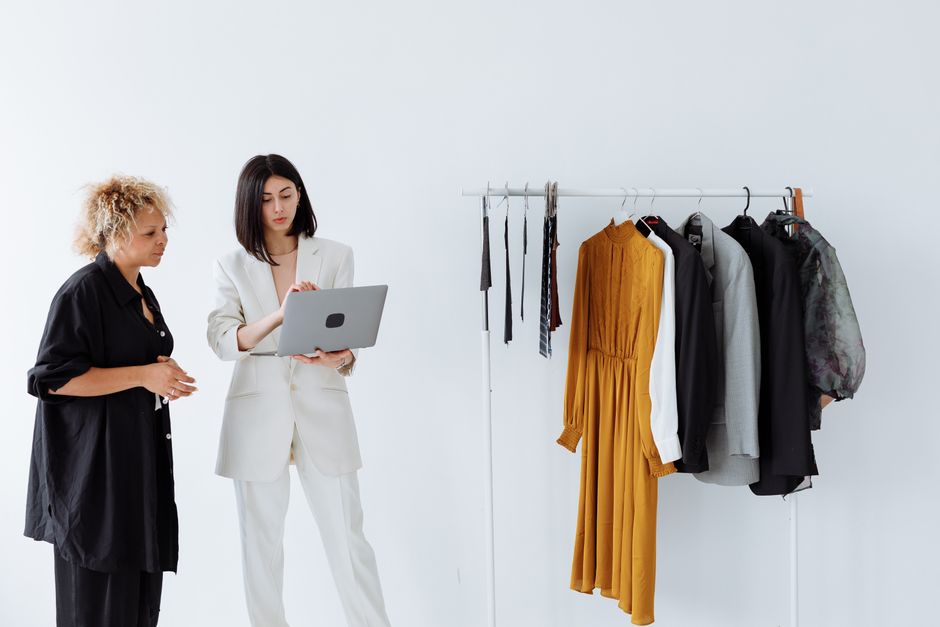
Lay out every piece on your bed. Make every combination. Every single one. Top one with bottom one. Top one with bottom two. Top one with bottom three. Repeat for each top. Add each layer. Photograph the combinations that work.
This takes 30 minutes. It will reveal the piece that only works with one other piece. It will reveal the color that clashes. It will reveal that you packed three tops that are functionally identical.
Most people skip this because it feels obsessive. Those people overpack. They bring 20 pieces and wear eight. The 30-minute audit is the difference between a capsule that works and a suitcase full of clothes you resent lugging through train stations.
If a piece doesn’t create at least three outfits, cut it. No exceptions, no sentimental attachments, no “but what if we go to a really nice restaurant.” Three outfits minimum or it stays home.
Packing Order: How to Actually Fit It in a Carry-On
The order matters. Pack in reverse of how you’ll need things.
Bottom layer: Shoes in a shoe bag, stuffed with socks and underwear to save space. Heavy items at the wheel end of the suitcase so it doesn’t tip forward when standing.
Middle layer: Pants and jeans, folded once lengthwise and rolled tightly. Rolling saves 20-30% space versus folding flat. Muji and Eagle Creek make packing cubes that compress further—worth the $15 investment.
Top layer: Tops and the dress, rolled. Cardigan folded around the roll bundle to prevent creasing. Trench coat laid flat on top or worn on the plane.
Outer pockets: Toiletries in a clear bag, electronics, documents. Nothing you need during the flight goes in the main compartment.
The carry-on that fits this system: Away Carry-On ($275) for the premium pick with a lifetime warranty. AmazonBasics Hardside Spinner ($80) for the budget option that’s surprisingly durable. Both fit international carry-on dimensions if you don’t overstuff.
One packing cube for tops, one for bottoms, one for underwear and socks. Three cubes total. If it doesn’t fit in the cubes, it doesn’t come. That’s the hard limit that enforces the capsule.