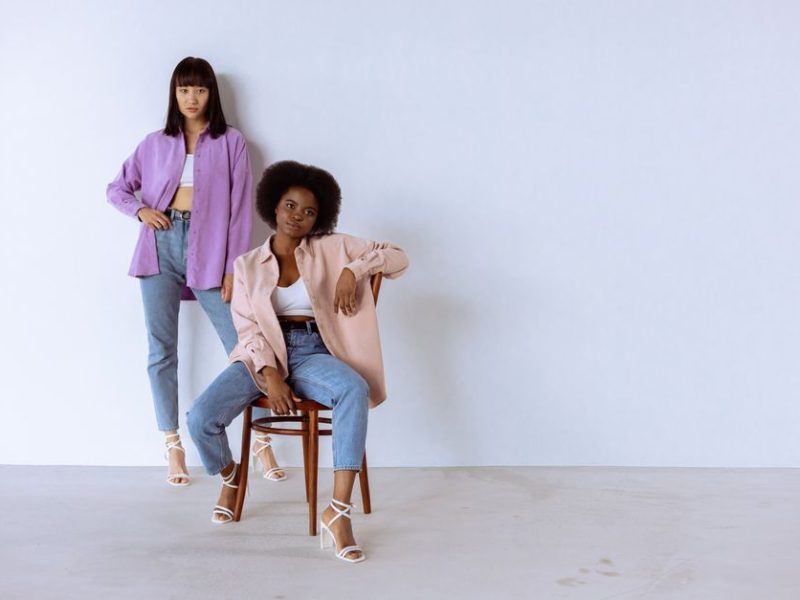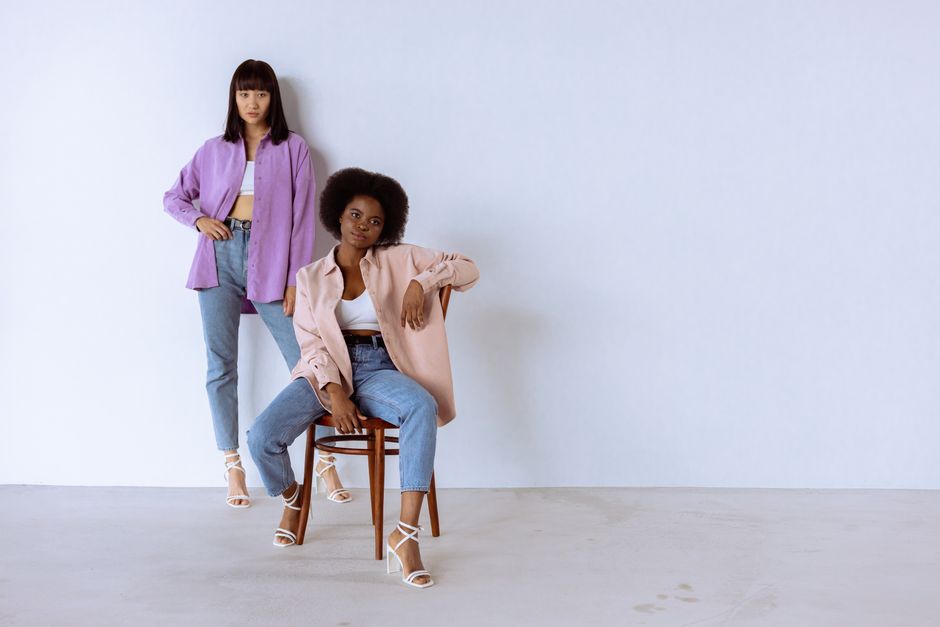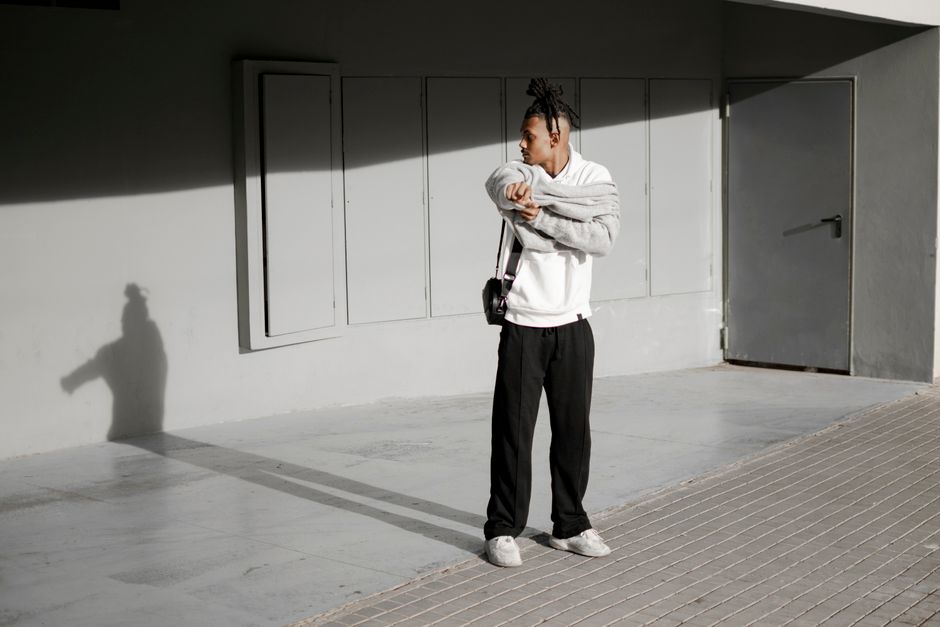
The biggest mistake people make with oversized blazers is treating them like regular blazers that ran a size too large. Shoulders that hang three inches past your own. Sleeves that swallow your hands. Fabric that crumples instead of drapes. That look isn’t cool — it’s a costume.
A real streetwear blazer in 2026 is a different animal. It’s cut deliberately boxy from the start. The shoulders are structured but not padded. The fabric has weight — 280gsm or more — so it holds its shape even when you slouch. And the length hits somewhere between your hip and mid-thigh, not at your waist like a suit jacket.
This guide covers the three things that actually matter: proportion rules so you don’t look like you’re wearing your dad’s suit, fabric choices that make or break the silhouette, and the specific styling moves that separate “intentionally oversized” from “lost in the laundry.”
Why Most Oversized Blazers Fail: The Proportion Problem
The single reason 80% of oversized blazer outfits look wrong: people match oversized tops with tight bottoms. Skinny jeans + big blazer = top-heavy disaster. Joggers + big blazer = you quit halfway through getting dressed.
The rule is simple: volume on top demands volume on the bottom. Not equal volume — but enough visual weight to balance the frame.
The Three Silhouettes That Work
Straight-leg denim is the safest bet. A pair of Levi’s 501s ($70) or a vintage 550 cut sits straight from hip to hem, creating a column shape that mirrors the blazer’s box. Tapered cuts pinch at the ankle and make the blazer look even wider by contrast. Avoid them.
Wide-leg trousers lean into the proportions deliberately. A Dickies 874 work pant ($50) or Carhartt WIP Double Knee ($85) in black or khaki gives the whole outfit a uniform feel — like you’re wearing a coordinated set, not a mismatched experiment.
Cargo pants with a relaxed fit work when the blazer is cropped (hip-length, not mid-thigh). The cargo pockets add visual weight at the hip, balancing the blazer’s shoulders. Stüssy cargo pants ($110) in ripstop cotton hit this note without looking tactical.
What about shorts? Only if the blazer is unlined linen or cotton, the shorts hit above the knee, and the shoes are chunky sneakers. Otherwise you look like a tourist who missed the dress code.
Fabric Dictates Everything — Not All Oversized Blazers Are Equal
This is where most people waste money. They buy a cheap polyester blazer that looks sharp on the hanger and turns into a wrinkled mess after two wears. The fabric can’t hold the oversized shape because it has no structure of its own.
| Fabric | Weight | Drape | Best For | Price Range |
|---|---|---|---|---|
| Wool flannel | 300-400gsm | Heavy, structured | Fall/winter, layered over hoodies | $150-$350 |
| Cotton twill | 250-300gsm | Stiff, holds shape | Transitional weather, casual wear | $80-$200 |
| Linen | 180-220gsm | Loose, relaxed | Summer, beach-adjacent fits | $100-$180 |
| Polyester blend | 200-280gsm | Flops, no memory | Avoid for oversized cuts | $40-$90 |
Wool flannel from brands like Fear of God or an old thrifted Ralph Lauren blazer ($40-$80 on eBay) is the gold standard. The fabric has enough weight to fall straight from the shoulder without clinging to your body. That’s the whole point of oversized — the blazer should exist as a separate shape around you, not follow your lines.
Cotton twill is the next best option. A Carhartt WIP Michigan Jacket in blazer form ($180) or a Dickies Eisenhower jacket worn unzipped over a hoodie gives the same boxy silhouette without the formal associations. This is the entry point for most people.
Avoid anything under 220gsm. Light fabrics will sag at the shoulders after ten minutes of wear. The oversized look requires the fabric to hold its own shape, not collapse into your armpits.
Three Outfits That Actually Work (No Styling Tricks Required)
You don’t need a stylist’s eye. You need three formulas that are impossible to mess up.
Formula 1: The Uniform
Oversized wool blazer (charcoal or black) + white cotton tee + straight-leg jeans (dark wash) + Nike Air Force 1 ($110).
The blazer provides structure. The tee is a blank canvas. The jeans ground the outfit. The sneakers keep it from looking like business casual. This is the outfit that made the oversized blazer a streetwear staple in the first place.
Formula 2: The Layered Hoodie
Oversized cotton twill blazer (olive or brown) + neutral hoodie (gray, cream, or black) + wide-leg cargo pants + chunky sneakers (New Balance 990v6, $185).
The hoodie adds volume under the blazer, which actually helps the blazer drape better. The hoodie should be slightly oversized too — not baggy, but not slim. A Champion Reverse Weave ($60) or a Stüssy heavyweight crewneck ($95) works perfectly. The blazer sits on top of the hoodie’s shoulders, creating a stacked silhouette that looks intentional.
Formula 3: Summer Linen
Oversized linen blazer (cream or sand) + loose linen button-down (unbuttoned) + relaxed shorts (above knee) + Birkenstock Arizona sandals ($100) or low-top canvas sneakers.
This is the only outfit where shorts work. The key: both the blazer and the shorts are loose. The linen fabric doesn’t hold structure, so the blazer moves with you. Wear it open. Never button a linen blazer.
The One Styling Rule That Breaks Everything

Roll the sleeves. Not once. Not twice. Roll them to just below your elbow, so the cuff sits at the widest part of your forearm.
This does three things: it exposes skin or the layer underneath, breaking up the mass of fabric. It creates a visual anchor at your wrist, drawing the eye down instead of letting it get lost in the blazer’s volume. And it signals that you’re not trying to wear a suit jacket — you’re wearing a piece of clothing that you own, not the other way around.
Do this with every blazer, every time. Wool, cotton, linen — roll the sleeves. The only exception is a blazer with a designer cuff detail (a contrast lining, a logo tape, a unique button). Even then, consider rolling it anyway.
The other rule that people ignore: never button the bottom button. On a regular blazer, this is a tailoring convention. On an oversized blazer, buttoning the bottom button pulls the fabric across your hips and creates a tent shape. You want the blazer to hang straight, not balloon out at the waist. Button the top button only, or leave it completely open.
When Not to Buy an Oversized Blazer
If you’re under 5’6″, an oversized blazer can make you look shorter than you are. The horizontal width of the shoulders cuts your vertical line. Solutions exist — a cropped oversized blazer (hits at the hip, not mid-thigh) or a single-breasted cut with narrow lapels — but the standard oversized blazer from most brands is designed for someone 5’10” and up.
If you live in a humid climate, wool blazers will feel like a wet blanket by noon. Cotton twill or linen are your only options. And if you need to wear a blazer to work, the oversized cut is a liability — it reads as sloppy in any professional context that isn’t creative or tech.
The alternative for shorter frames or humid climates: a regular-fit blazer in a boxy cut. Brands like Universal Works and Our Legacy make blazers that are intentionally short in the body and wide in the shoulders, without the exaggerated length of a true oversized piece. They give the same silhouette without swallowing you.
One final note: don’t buy an oversized blazer as your only blazer. Buy it as your third or fourth blazer, after you own one that fits properly. This is a statement piece, not a foundation garment. Treat it that way.