Do you leave home in a sweater, start sweating at lunch, then wish you had a coat by sunset? That is the March jacket problem. The calendar says spring, but the pavement still feels like winter, and your shoes need to handle both wet sidewalks and long walks.
Why March jackets feel impossible to style
Start with the temperature swing
March dressing fails when you plan for the afternoon instead of the whole day. A morning at 38°F can turn into a sunny 58°F by two o’clock, then drop again after dinner. The jacket must block wind and light rain without trapping the heat your body creates while walking. That is why a flexible shell or lightly insulated layer works better than a heavy winter coat.
Think of the jacket as a removable control panel. A thin knit underneath gives warmth when you need it. An open front or pushed-up sleeve releases heat when the sun appears. A hood, high collar, or water-resistant finish protects you when the forecast changes.
Use your shoes to set the mood
Boots make a short jacket feel grounded and practical. Sneakers make the same jacket look lighter and more urban. The key is visual weight. A cropped jacket with a thick lug boot can look balanced because both pieces have firm structure. That jacket with a slim sneaker needs a cleaner trouser line so the outfit does not look top-heavy.
My basic rule is simple: choose one sturdy item and one easy item. A waxed jacket with a low-profile sneaker works. A leather-look jacket with a rugged boot works. Wearing a bulky jacket, wide pants, and heavy shoes together can erase your shape.
How to choose warmth, length, and weather protection
Pick warmth for your coldest hour
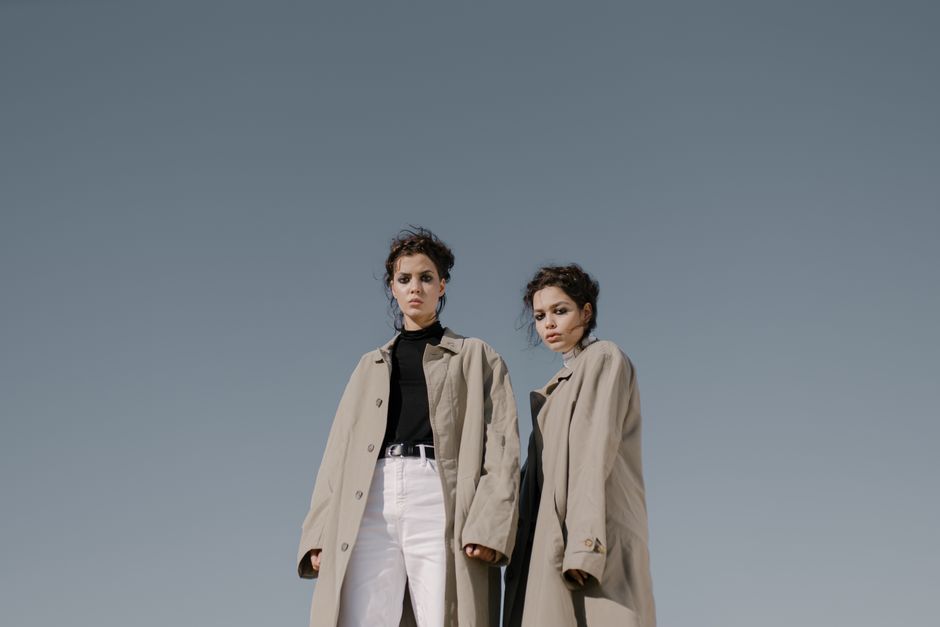
Buy the jacket for the coldest part of your normal day, not the warmest forecasted moment. For a commute that starts before sunrise, choose light insulation or room for a merino sweater. For errands that happen after lunch, a lined shell or dense cotton jacket may be enough. A jacket that feels slightly cool when you first step outside is easier to manage than one that makes you sweat after ten minutes.
Check three measurements before buying: shoulder width, sleeve length, and hem position. You should be able to raise both arms without the cuffs pulling above your wrists. The hem should cover the waistband of your trousers when you sit down. For skirts or dresses, a jacket ending near the high hip gives a sharper proportion than one stopping at the widest part of the thigh.
Read the fabric instead of trusting the label
“Spring jacket” does not tell you much. Look for a tightly woven outer fabric, a lining that lets your arms slide over knitwear, and hardware that closes fully at the neck. Waxed cotton resists light rain but needs care. Nylon blocks wind and packs well but can look sporty. Faux leather blocks a breeze and adds polish but offers little warmth unless it has a lining.
Skip a jacket that only works over a T-shirt. That choice leaves you cold in the morning and stuck carrying the jacket by afternoon.
Which March transitional jackets earn closet space?
Compare the three useful jacket lanes
These prices are US list prices checked for 2026; sales and color pricing can change. Each jacket solves a different March problem, so the winner depends on the job you need it to do.
My clear pick for each use case
For rainy city walks and outfits that need structure, the Barbour Beadnell Waxed Jacket is the strongest choice. Buy it only if you will wear a traditional country-inspired look often.
Its 60-g insulation adds warmth without the bulk of a puffer coat, and the regular fit leaves room for a sweater. It looks more technical, so balance it with straight denim or tailored trousers.
For the lowest-cost polished option, choose the Levi’s Faux Leather Trucker Jacket. It is the best choice for dinners and short trips, not for sustained rain or freezing mornings.
Boots or sneakers: use the hem as your control point
Choose boots when the outfit needs weight
Wear boots on wet mornings, unpaved routes, or days when your jacket has a softer shape. The extra sole height and firm ankle make the outfit look intentional. Black Chelsea boots sharpen a quilted jacket. Brown lace-up boots support olive or tan outerwear. A lug sole works with straight jeans and a cropped jacket, but it can overpower wide-leg pants unless the trouser hem nearly covers the boot.
- Use a 1-to-2-inch gap between a cropped trouser and a low ankle boot.
- Let a tall boot disappear under a midi skirt or wide trouser.
- Match the boot’s visual weight to the jacket’s structure.
- Choose a weather-resistant boot when rain will last longer than ten minutes.
Choose sneakers when the outfit needs movement
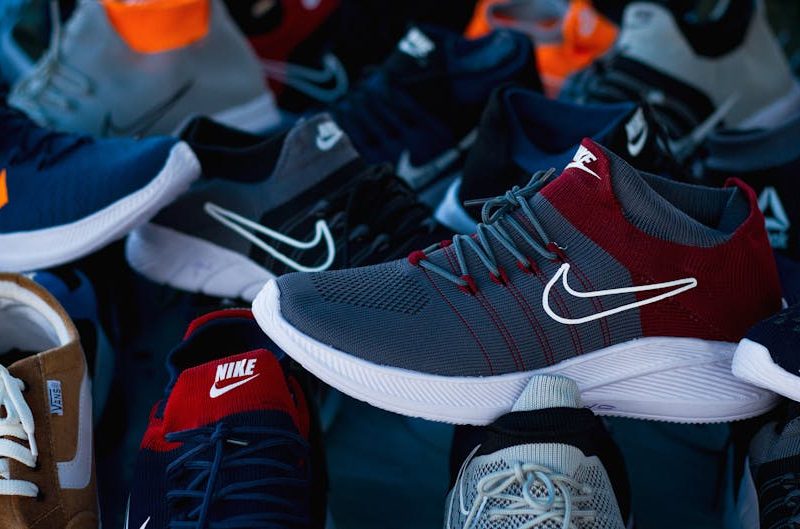
Sneakers work best for dry days, long pavement walks, and jackets with visible structure. Low-profile pairs keep a mid-thigh jacket from looking heavy. Chunkier sneakers can balance a short jacket and wider trousers, but the pair should echo one line from the outfit, such as a white sole, gray knit, or black bag.
- Choose low sneakers with cropped or straight trousers.
- Choose a thicker sneaker with wide-leg pants and a short jacket.
- Keep white sneakers away from muddy trails and heavy rain.
- Use socks as a deliberate color bridge between shoe and trouser.
The clearest verdict is this: boots solve weather and proportion problems; sneakers solve comfort and visual lightness problems. Pick the shoe before you finish the jacket decision.
What usually makes a March outfit look wrong
Mistake 1: buying for the fantasy temperature
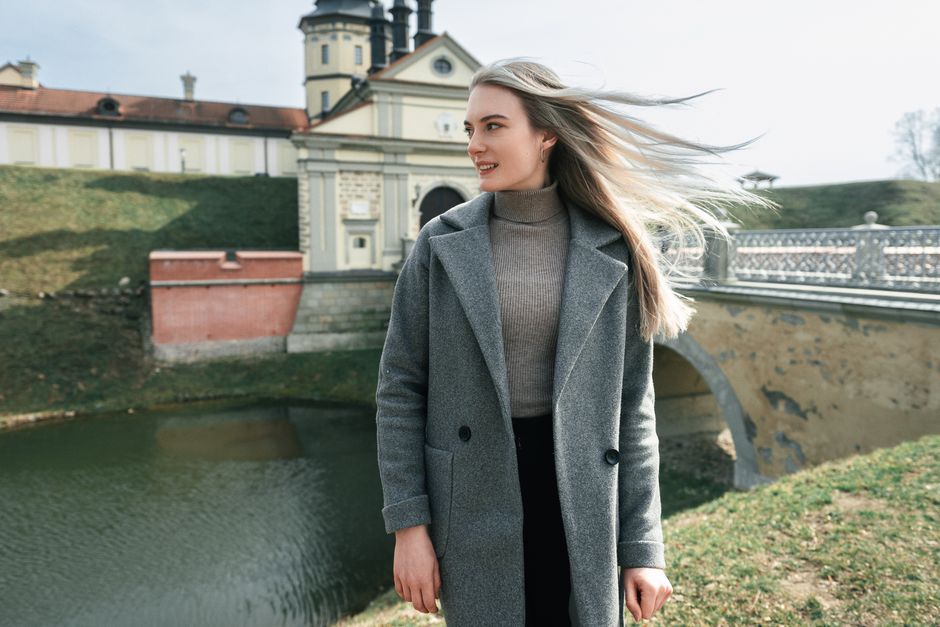
- Choosing a jacket that only works over a T-shirt. March mornings often need a sweater. Try the jacket over your thickest regular knit before paying. If the armholes pull, size up or choose a roomier cut.
- Using water resistance as a substitute for warmth. A coated shell can stop rain and still feel cold. Add insulation through a sweater or choose a lightly insulated jacket when your commute starts early.
- Ignoring the back view. A jacket can look polished from the front and bunch above a backpack or crossbody strap. Walk, sit, and reach before judging the fit.
Mistake 2: forcing one shoe to do every job
Thin canvas sneakers are a poor choice for a wet, windy morning. Heavy lug boots are awkward for a warm afternoon and can make a light jacket look too severe. Keep one reliable boot and one low-profile sneaker in rotation. The goal is not a larger wardrobe. It is two shoe shapes that change the jacket’s message.
Skip a cropped jacket if you dislike showing your waistband or if your usual trousers sit low. Skip a long, oversized jacket if you mostly wear slim sneakers and small bags. A jacket is not versatile just because it matches many colors. It is versatile when its length, warmth, and volume match the clothes you already wear.
Which jacket should you buy for your March routine?
Do I need a jacket for rain or just for cold?
If rain is your main problem, buy the Barbour Beadnell Waxed Jacket. Its waxed cotton gives the most convincing weather-ready look and pairs naturally with boots. If cold is the bigger issue, choose the Patagonia Women’s Nano Puff Jacket. The 60-g insulation adds usable warmth without turning a March outfit into winter gear.
What is the best option for dinners and city errands?
Choose the Levi’s Faux Leather Trucker Jacket. It has the clearest evening shape, costs less than the other two jackets, and works with both the Dr. Martens 1460 boots and adidas Samba OG shoes. Do not buy it for wet commutes; faux leather protects against a brief shower, not hours of rain.
What is the simplest two-shoe wardrobe?
Use one black or brown ankle boot for wet days and one low-profile sneaker for dry days. Pair the boot with straight jeans and a sweater. Pair the sneaker with cotton trousers or a skirt and an open jacket. Keep the jacket hem above the widest part of your thigh, and check that the sleeves fit over your real March layers.
For most wardrobes, the winning order is clear: buy a midweight jacket first, then test it with one boot and one sneaker you already own. If both outfits work in front of a mirror and on a ten-minute walk, the jacket has earned its place.