You leave home in a pale blue sky, walk three blocks to the train, and regret wearing only a shirt. By lunch, the same sweater feels too warm. Spring dressing fails when one garment has to handle two very different temperatures. The better answer is a light knit layer that adds warmth at 7 a.m., folds into a tote at noon, and still looks polished over a T-shirt.
Why light knits solve the spring temperature swing
The real problem is changing air, not cold air
Cool spring mornings usually feel uncomfortable because your body moves between shade, wind, indoor heating, public transport, and direct sun. A heavy wool sweater traps too much heat once you start walking. A thin cotton shirt offers almost no help when the temperature drops. A light knit works in the narrow space between those two extremes. Its loops hold a small layer of warm air next to your skin, but the fabric stays flexible enough to remove quickly.
Choose a layer that earns its space
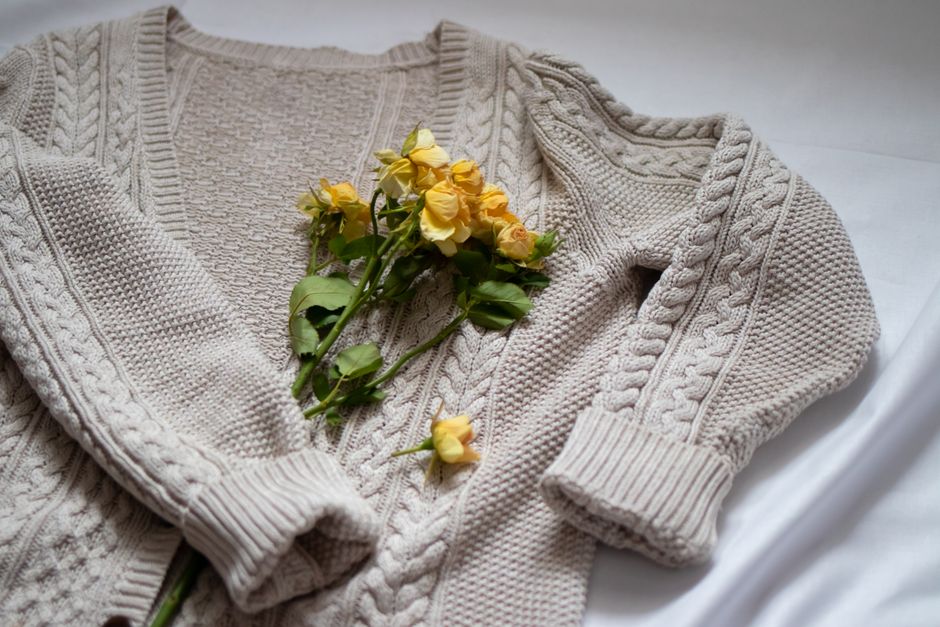
The best spring knit has three jobs: it should warm your torso, fit over your base layer, and pack without becoming a bulky lump. Look for a fabric weight that feels substantial in your hands but does not hang stiffly. A crew neck works over a tank or shirt. A cardigan gives you more temperature control because you can open it before you get hot. A fine-gauge knit also creates a cleaner line under a trench coat or short jacket.
The key test is removal speed. If you cannot take the layer off with one hand while carrying a coffee or bag, it is too fussy for daily spring weather. This is why a simple cardigan or fine crew neck beats a dramatic, oversized knit for commuting.
The quick verdict: merino for transit, cotton for daylight

My morning commute pick
Fine merino adds warmth without the thick feel of a winter sweater, and the smooth surface layers neatly under a coat. Pick it in navy, heather gray, or soft cream when you want one piece to work with jeans, tailored trousers, and a midi skirt.
My warm-afternoon pick
Cotton feels less insulating than merino, but it handles indoor warmth and direct sun better. My clear recommendation is merino for early commutes and cotton for days when you expect to keep the knit on through lunch.
How to choose the right spring knit fabric
Merino gives the widest comfort range
Merino wool is the best choice when the morning starts cold and the afternoon may turn mild. Its fine fibers feel smoother than traditional chunky wool, and a lightweight merino sweater can sit close to the body without looking bulky. It also resists odor better than many plant-based fibers, which helps when you wear the same layer during a long day. The trade-off is care. Friction can create pills, hot washing can shrink the garment, and some people still find wool itchy around the neck or wrists.
Cotton feels easy but needs better layering
Cotton knits feel familiar, breathable, and simple to wash. They suit sunny spring days, offices, and anyone who dislikes wool. The problem appears when the air turns damp or windy: cotton absorbs moisture and can feel cold against the skin. Wear it over a dry base layer and choose a closer weave when you expect wind.
Cotton-cashmere adds softness, not unlimited warmth
It feels softer and lighter than a dense wool sweater, making it attractive for a polished travel outfit. Still, the cashmere blend does not turn it into a winter layer. Buy it for softness and a refined finish, not for standing outside in freezing weather. The best fabric choice is clear: merino handles the biggest temperature swings, cotton suits warm daylight, and cotton-cashmere works when softness matters most.
Five layering mistakes that make spring outfits uncomfortable
Use this five-step check before leaving home
- Do not start with a thick base layer. A ribbed tank or smooth T-shirt gives a light knit room to move. A chunky base creates pressure under the arms and makes the outfit feel warmer than expected.
- Do not ignore sleeve length. A sleeve that ends several inches above the wrist leaves a cold gap under a coat. A full-length sleeve or neat cuff gives better coverage without extra bulk.
- Do not size up without checking the shoulders. Extra room through the body helps layering, but dropped shoulder seams can make a jacket sit awkwardly. Choose a relaxed body with a controlled shoulder line.
- Do not pair every knit with a loose bottom. An oversized sweater and wide trousers can hide the shape of the whole outfit. Balance a roomy knit with a straight jean, slim skirt, or trousers with a defined waist.
- Do not wash a delicate knit after every wear. Air it out overnight, spot-clean small marks, and follow the care label. Too much washing shortens the life of wool and cashmere blends.
When not to buy a fine knit
Skip a delicate sweater if your day includes heavy backpack straps, rough jewelry, or frequent contact with Velcro. Those details pull at fine yarns and create visible wear. Choose a smoother cotton cardigan for a practical workday or a tightly knitted synthetic blend for travel days when durability matters more than fiber prestige.
Which light knit deserves your budget?
A simple comparison for three common spring wardrobes
Prices shift with color and sale timing, so treat the figures below as useful benchmarks rather than permanent tags. The fabric and use case matter more than a temporary discount.
The best value depends on repeat wear
For one reliable layer, choose the Uniqlo merino crew because it covers the broadest temperature range at the lowest full-price cost in this group. For a cardigan-first wardrobe, choose the J.Crew Factory cotton style because an open front gives more control than a pullover. The Everlane cotton-cashmere option makes sense only if you value its softer finish and can accept more careful care. A cheaper sweater that stays in rotation beats a premium knit that feels too delicate to wear.
Spring knit questions shoppers usually ask

Can a light knit replace a spring jacket?
Only on calm days above roughly 60 degrees Fahrenheit. A knit adds insulation but does not block wind or rain as well as a shell. Wear it under a cotton trench, denim jacket, or lightweight rain jacket when the forecast includes gusts or showers. The most useful setup is a breathable knit plus a removable outer layer, not a sweater forced to do every job.
What color makes one knit more versatile?
Choose oatmeal, navy, charcoal, soft gray, or muted olive before buying a bright seasonal shade. These colors work with denim, black trousers, white sneakers, loafers, and spring skirts. Add color through a scarf or bag after the core layer earns regular wear. A pale knit also shows marks more quickly, so cream works best when you can wash or spot-clean it with care.
How should a spring knit fit?
The shoulder seam should sit close to your natural shoulder, the hem should reach the waistband or lower, and you should be able to pinch at least an inch of fabric over a T-shirt without stretching the knit. That fit leaves enough space for movement while keeping the silhouette neat. For the cool platform from the opening scene, this means choosing a fine merino crew, adding a light jacket outside, and removing the jacket once the sun reaches the train window. The outfit stays warm at breakfast and comfortable by lunch.