The hoodie and sweatshirt category is crowded. Walk into any mall and you’ll see racks of thin, pilled cotton blends that lose shape after three washes. The problem isn’t finding a hoodie — it’s finding one that holds its structure, keeps you warm without overheating, and looks intentional rather than lazy. This article names nine specific models that solve those problems. Fabric weight, shoulder seam placement, ribbing quality, and cost-per-wear matter more than brand hype. Below is a breakdown organized by silhouette, warmth level, and use case.
Why Fabric Weight and Fiber Content Decide Everything
Most people shop by color or logo. That’s a mistake. The single most important spec on any hoodie or sweatshirt is fabric weight, measured in grams per square meter (GSM). A 200 GSM cotton fleece feels light and breathes well for spring. A 450 GSM fleece is heavy, warm, and drapes stiffly. Neither is better — they serve different seasons and styles.
Fiber content is second. 100% cotton fleece softens over time but shrinks. Cotton-poly blends hold shape and resist pilling but can feel plasticky. A 80/20 cotton-poly blend with a brushed interior is the sweet spot for most people: soft against skin, durable, and minimal shrinkage if washed cold.
Champion Reverse Weave Hoodie ($70) uses a 12-ounce fleece (about 340 GSM) with side panels that prevent the center seam from twisting. That side panel construction is unique — most hoodies use a single panel that warps after washing. The Reverse Weave stays square. Carhartt WIP K87 Sweatshirt ($65) uses a 9.5-ounce 100% cotton jersey. It’s lighter, less structured, and better as a layering piece under a denim jacket. If you run warm or live in a mild climate, the K87 works. If you want a standalone winter layer, the Champion is the better pick.
Verdict: For a do-everything hoodie that lasts three years, the Champion Reverse Weave wins. For a lightweight sweatshirt that packs flat in a carry-on, take the Carhartt K87.
Oversized vs. Tailored: Which Silhouette Works for Your Body Type?
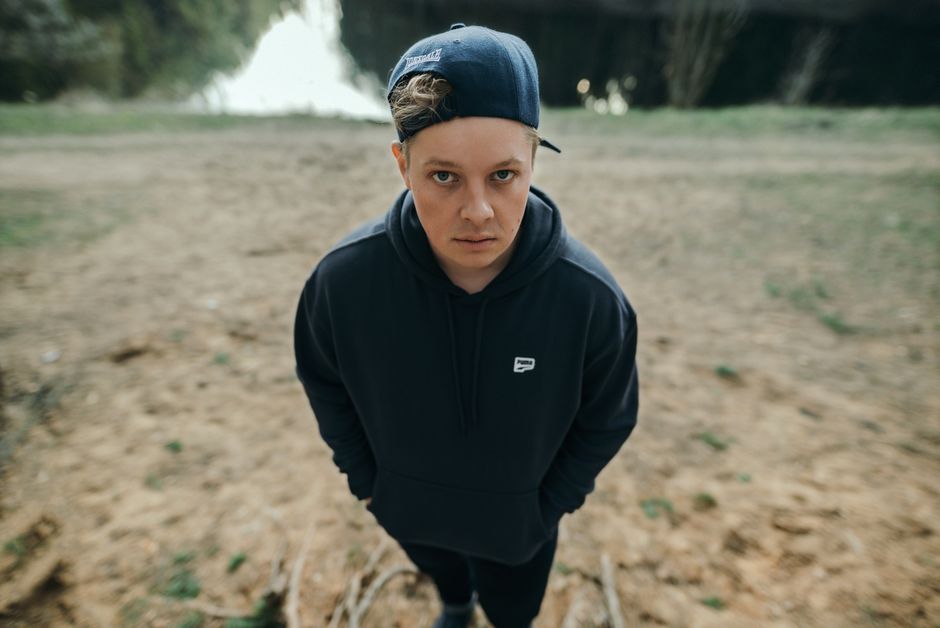
Oversized hoodies dominated 2026 through 2026. The trend is softening toward a more intentional relaxed fit — not baggy, not slim, but cut with enough room for a t-shirt underneath without looking like you borrowed your brother’s clothes.
Fear of God Essentials Hoodie ($110) popularized the oversized cropped silhouette. It’s boxy through the chest, sleeves extend past the wrist, and the hem sits at the waist rather than the hip. This works well for people with broader shoulders or a straight torso. It looks sloppy on someone with a shorter torso because it cuts them in half visually.
Uniqlo Soft Touch Crew Neck Sweatshirt ($40) is the opposite. It’s a standard fit — not slim, not loose — with a smooth outer face and a fleece interior that doesn’t pill. The shoulder seam sits at the natural shoulder line. This is the safest choice for office-adjacent casual wear or for anyone who wants a clean line under a blazer. The cost-per-wear on this item is absurdly low. At $40, if you wear it twice a week for two years, that’s $0.19 per wear.
Failure mode to avoid: Buying an oversized hoodie that is too long. An oversized hoodie should be wide and slightly short. If it’s wide and long, you look like you’re wearing a blanket. Measure the body length before buying. For a 5’10” person, an oversized hoodie should have a body length of 26-27 inches, not 29.
Verdict: Buy the Fear of God Essentials if you want the current silhouette and have the frame to carry it. Buy the Uniqlo Soft Touch if you want versatility and don’t want to think about proportions.
Three Hoodies for Specific Activities (Work, Travel, Layering)
Not every hoodie serves every situation. Here are three built for specific jobs.
Work from home / Zoom calls: Aritzia Wilfred Free Weekender Hoodie ($88)
This hoodie uses a 330 GSM french terry with a smooth outer face. It looks like a structured sweatshirt on camera, not a sleep shirt. The lack of a front pouch pocket is deliberate — it eliminates the slouchy dorm-room look. The drawstring is flat cotton rather than round poly, which stays tied and doesn’t look cheap. Available in eight colors including a charcoal heather that reads as neutral on webcam.
Travel / carry-on only: Everlane Weighted Terry Zip Hoodie ($98)
A zip hoodie is more versatile than a pullover for travel because you can layer it over a button-down without pulling the collar out of shape. The Everlane Weighted Terry uses a 400 GSM fabric that resists wrinkling. It has a two-way zipper, which matters when you sit on a plane — you can unzip the bottom without opening the top. The kangaroo pocket is lined with microfleece for cold hands. Packs to the size of a small laptop.
Outdoor cold weather: Patagonia Better Sweater Fleece Hoody ($139)
This is not a cotton hoodie. It’s a 100% recycled polyester fleece with a sweater-knit face that resists wind better than cotton fleece. The hood is helmet-compatible — it fits over a climbing helmet or a thick beanie. The zippered chest pocket holds a phone flat. It dries in about two hours if you get caught in rain. Does not pill. Does not shrink. The tradeoff is that it looks technical — you won’t wear this to dinner.
Verdict: These three cover the main use cases. Most people only need one of them, not all three. Pick the one that matches your primary activity.
Comparison Table: Key Specs for Seven Hoodies and Sweatshirts
| Model | Fabric Weight (GSM) | Fiber Content | Fit | Price | Best For |
|---|---|---|---|---|---|
| Champion Reverse Weave Hoodie | ~340 | 100% cotton | Standard, side panels | $70 | Daily wear, cold weather |
| Carhartt WIP K87 Sweatshirt | ~270 | 100% cotton jersey | Standard, relaxed | $65 | Layering, mild weather |
| Fear of God Essentials Hoodie | ~380 | 80% cotton / 20% poly | Oversized cropped | $110 | Streetwear silhouette |
| Uniqlo Soft Touch Crew Neck | ~300 | 100% cotton | Standard, true to size | $40 | Budget, office casual |
| Aritzia Wilfred Free Weekender | 330 | 100% cotton french terry | Relaxed, no pouch | $88 | Video calls, polished casual |
| Everlane Weighted Terry Zip | 400 | 100% cotton (brushed back) | Standard, two-way zip | $98 | Travel, layering over collars |
| Patagonia Better Sweater Fleece | N/A (fleece knit) | 100% recycled polyester | Trim, technical | $139 | Outdoor, cold, weather-resistant |
Three Common Buying Mistakes and How to Avoid Them
Mistake 1: Ignoring shoulder seam placement. A dropped shoulder seam (seam sits 2-3 inches below the natural shoulder) creates a relaxed look. A natural shoulder seam creates a cleaner line. Neither is wrong, but buying a dropped shoulder hoodie when you want a tailored look means returning it. Check the product photos. If the seam is visible on the upper arm, it’s dropped. If it sits at the shoulder bone, it’s natural.
Mistake 2: Buying 100% cotton without accounting for shrinkage. Cotton fleece shrinks 3-5% in length and width on the first hot wash. If you buy a size that fits perfectly out of the package, it will be too short after one wash. Buy one size up if you plan to machine dry. Or wash cold and hang dry — this reduces shrinkage to under 2%.
Mistake 3: Overlooking ribbing quality. The ribbing at the cuffs and hem determines whether a hoodie keeps its shape. Cheap ribbing stretches out after three wears and never snaps back. Good ribbing uses a higher spandex content (5-8%) and a tighter knit. The Nike Club Fleece Hoodie ($60) uses thick ribbing that holds its tension for about 18 months of regular wear. The Adidas Originals 3-Stripes Sweatshirt ($55) uses thinner ribbing that loosens after six months. If you want structure at the hem, pay attention to the cuff thickness in product photos.
Verdict on mistakes: Measure your favorite hoodie’s shoulder width and body length. Use those numbers as your baseline. Don’t trust brand size charts — they vary wildly. A Champion Large measures 23 inches across the chest. A Fear of God Essentials Large measures 26 inches. They are not the same size.
When to Skip the Hoodie Entirely and Wear a Sweatshirt Instead
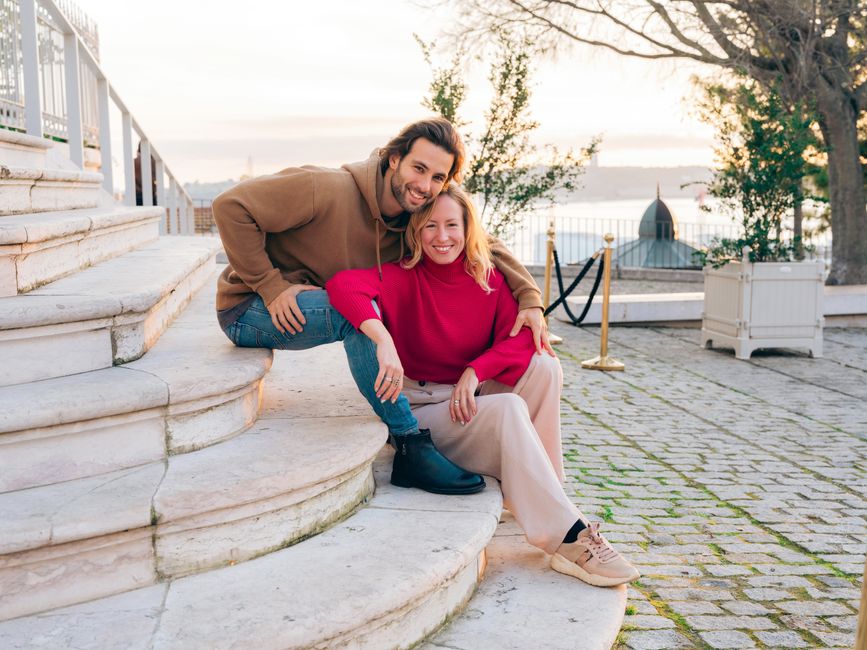
A hoodie adds bulk at the neck and shoulders because of the hood itself. If you are layering under a structured coat (a wool peacoat, a leather jacket, a trench coat), the hood creates a lump under the collar. A crewneck sweatshirt lies flat. This is the single biggest argument for owning at least one good sweatshirt without a hood.
The Everlane Weighted Terry Crew ($78) is the same fabric as the zip hoodie but without the hood and zipper. It saves about 4 ounces of weight and eliminates the neck bulk. The Uniqlo Soft Touch Crew mentioned earlier also works here. If you live in a city where you commute by train or walk outdoors, a hoodie with a hood is useful for rain and wind. If you drive everywhere or work in a climate-controlled office, the hood is dead weight.
When to buy a hoodie anyway: If you run cold at the neck, if you wear headphones on public transit and want the hood to cover them, or if you want the casual visual weight of a hood. The hood changes the silhouette — it makes the upper body look broader. That’s a deliberate style choice, not a neutral one.
Verdict: Buy a hoodie for casual outdoor use or streetwear. Buy a crewneck sweatshirt for layering under jackets or for office-adjacent outfits. Most people need one of each, not two hoodies.