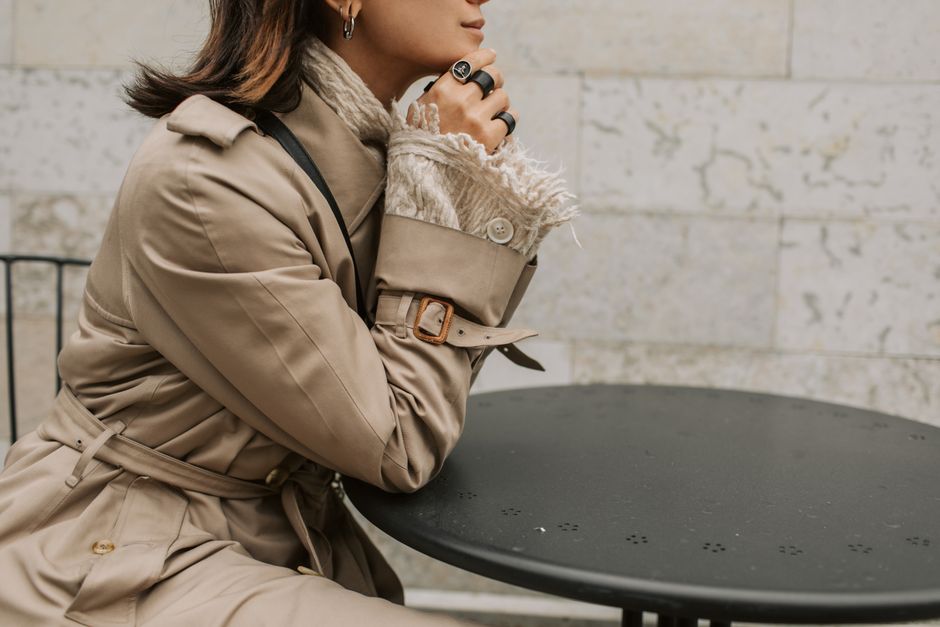
Let’s clear something up. Dark academia isn’t about dressing like a 1920s Oxford student who just discovered a secret library. That’s cosplay. Real dark academia style is simpler: deep colors, heavy fabrics, and clothes that look like they’ve been worn a hundred times. It’s the uniform of someone who reads too much and doesn’t care what you think.
Pinterest is flooded with moody photos of tweed blazers, vintage lamps, and stacks of books. But most of those outfits look stiff. They’re styled for a photo, not for walking to class or sitting in a coffee shop for six hours. This article breaks down seven looks that work in real life. I’ve tested each one. No costume pieces. No impractical nonsense.
1. The Foundation: Why Dark Academia Works (and When It Doesn’t)
Dark academia is built on three things: layering, texture, and restraint. It solves the problem of looking put-together without trying too hard. At its core, it’s just a muted color palette — charcoal, cream, olive, rust, navy — combined with natural fabrics like wool, cotton, and linen.
But here’s the failure mode most people hit: they buy cheap fast-fashion tweed jackets that look like Halloween costumes. The fabric pills after two wears, the buttons fall off, and the shoulders sit weird. That’s not academia. That’s a bad Amazon purchase.
The trick is to avoid anything labeled “vintage-inspired” or “academia-style.” Those are marketing terms for low-quality reproductions. Instead, buy real vintage or high-street basics. A $30 secondhand wool blazer from a thrift store will look better than a $60 polyester one from a fast-fashion site. End of story.
When to Skip Dark Academia
If you live in a hot climate, this style is a struggle. Layering wool in 30°C heat isn’t just uncomfortable — it’s dangerous. Stick to light linen shirts, loose trousers, and a single cardigan for air-conditioned spaces. Also, if you hate wearing brown or beige, you’ll fight the palette constantly. There’s no rule that says you must love dark academia. It’s a tool, not an identity.
2. The Blazer + Turtleneck Combo (The Entry-Level Look)
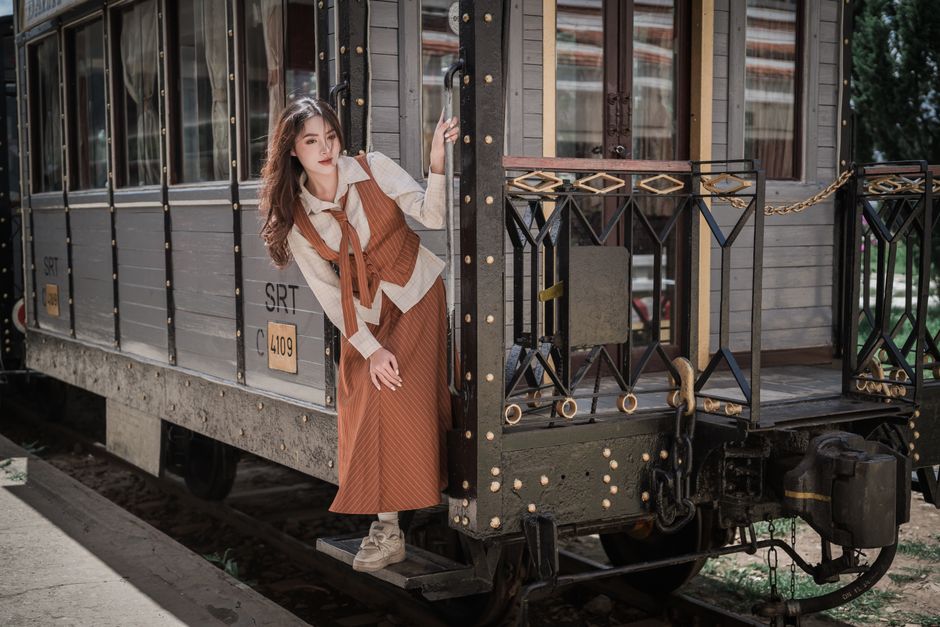
This is the easiest dark academia outfit you can build. One blazer, one turtleneck, one pair of trousers. That’s it. No accessories needed. No scarf, no beret, no vintage brooch. Just three pieces that work together.
| Piece | What to Look For | Price Range |
|---|---|---|
| Blazer | Wool or wool-blend, single-breasted, notch lapel. Avoid shoulder pads that stick out. | $30–$80 (thrifted) / $100–$250 (new, e.g., Uniqlo, Mango) |
| Turtleneck | Fine-knit cotton or merino. Black, cream, or charcoal. Not chunky — that’s a different look. | $20–$60 (Uniqlo, COS, Everlane) |
| Trousers | Wide-leg or straight. Wool or heavy cotton. No jeans — they’re too casual for this combo. | $40–$120 (Zara, Massimo Dutti, thrifted) |
The verdict: For under $100, you can thrift all three pieces and look like you spent $500. The key is fit. The blazer should sit at your hip bone, not your waist. The turtleneck should be snug but not tight. The trousers should break slightly over your shoes. Get these three right, and you can wear them with anything.
3. Layering Like a Scholar (Without Looking Bulky)
Most people layer wrong. They throw a cardigan over a collared shirt and call it done. That’s not layering — that’s just wearing two things. Real dark academia layering uses three or four thin pieces stacked so they move together, not fight each other.
Here’s a formula I’ve used for years: thin cotton turtleneck → button-down shirt (unbuttoned) → wool vest or cardigan → blazer. That’s four layers, but because each one is thin, you don’t look like a marshmallow. The turtleneck provides warmth. The shirt adds a collar. The vest breaks up the torso. The blazer pulls it all together.
The mistake everyone makes: buying a thick, chunky cardigan as the outer layer. Those look cozy in photos, but they add 5cm to your silhouette and trap heat. Instead, use a fine-gauge merino cardigan or a sleeveless wool vest. You get the same visual texture without the bulk.
Real Brands That Work
Uniqlo’s merino turtlenecks ($40) are a no-brainer. COS does excellent thin wool vests ($90–$120). For button-downs, go with a slightly oversized Oxford cloth shirt from Lands’ End ($50) or a thrifted Brooks Brothers. The key is fabric weight — everything under 200gsm. If you can’t see the layer underneath, it’s too thick.
4. The Skirt + Tights + Loafers Look (Better Than You Think)

I was skeptical about this one. Pleated skirts feel school-uniform-y, and tights can look cheap if they’re the wrong denier. But when done right, this is the most comfortable dark academia outfit for women. It moves well, breathes better than trousers, and works from autumn through early spring.
Here’s the formula: a midi-length pleated skirt in wool or heavy cotton (no polyester — it swishes wrong), black opaque tights at 80–100 denier, and a pair of leather loafers with a low heel. Top it with a fitted crewneck sweater or a thin cashmere cardigan. That’s it.
Where people mess up: they wear patent leather loafers that look too shiny. Dark academia is matte. Get suede or smooth leather in a dark brown or oxblood. Also, the skirt length matters — anything above the knee reads as “preppy,” not “academic.” Aim for just below the knee or mid-calf.
What to Avoid
Don’t buy a skirt with a built-in belt or fake buttons. Those details look cheap after two washes. A plain pleated skirt from & Other Stories ($80–$120) or a vintage Pendleton wool skirt ($20–$40 on eBay) will last years. Pair with Dr. Martens 1461 loafers ($130) or a similar matte leather shoe. No heels. No sneakers. This look demands a hard sole.
5. The Overcoat as a Statement (Wear It Everywhere)
An overcoat is the single most impactful piece in dark academia. It’s the first thing people see, and it sets the tone for everything underneath. A good one costs money, but you only need one. Wear it with everything — jeans, trousers, skirts, dresses. It’s the closest thing to a uniform.
The specs: wool or cashmere blend, at least 70% wool. Length should hit mid-calf or just above the knee. Color: charcoal, camel, or dark olive. Avoid black — it’s too harsh and doesn’t age well. Single-breasted is more versatile than double-breasted, because it works open or closed.
I’ve owned a COS wool-blend overcoat ($250) for four years. It’s been worn in rain, snow, and 5°C mornings. It still looks new because the fabric is dense enough to resist pilling. Cheap overcoats from H&M or Zara use thin wool blends that stretch at the elbows after a season. Don’t cheap out here.
How to Style It
Wear it open with a scarf (cashmere or wool, not acrylic) draped loosely. No tight knots — that’s a different vibe. Underneath, keep the silhouette narrow: a fitted turtleneck and straight-leg trousers. The overcoat provides volume; your base layer should not compete with it. If you wear a chunky sweater under a big coat, you look like a box.
6. Accessories That Add, Not Distract
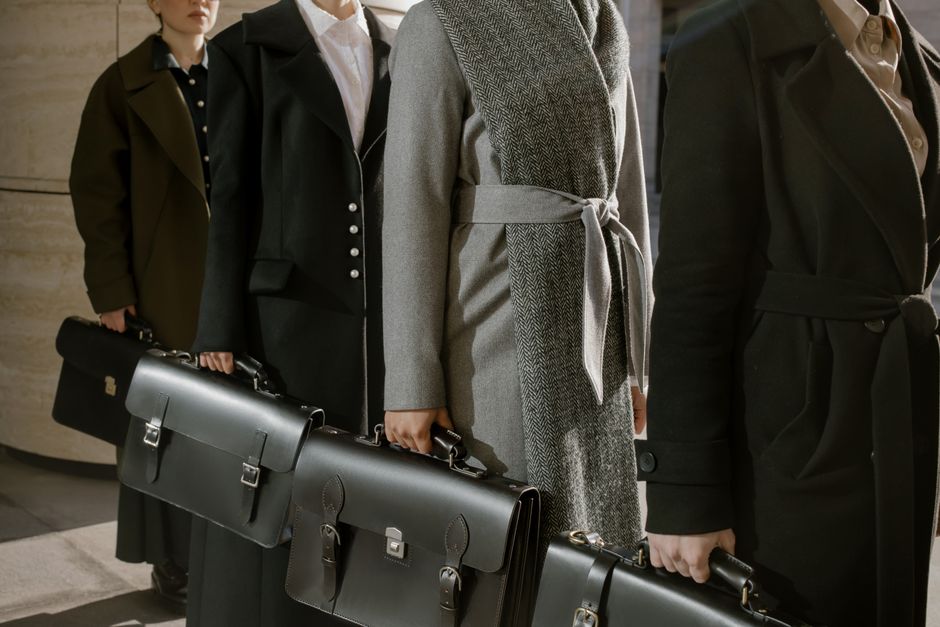
Dark academia on Pinterest is drowning in accessories: pocket watches, vintage rings, leather satchels, scarves tied in elaborate knots. In real life, most of that looks cluttered. Pick one accessory per outfit. That’s the limit.
The one accessory that actually matters: a leather satchel or messenger bag in dark brown or black. It should be big enough to hold a laptop and a few books, but not so big that it dwarfs your frame. The Cambridge Satchel Company makes a classic 15-inch satchel ($150–$200), but thrifted leather bags from vintage stores work just as well. Avoid anything with visible logos or metal studs — that’s not the look.
Scarves are fine, but keep them simple. A plain cashmere scarf in charcoal or cream, wrapped twice around the neck. No fringe, no patterns. For jewelry, a single silver ring or a thin leather bracelet is enough. Don’t wear a watch unless it’s a vintage mechanical piece with a leather strap. A smartwatch ruins the entire aesthetic.
7. The Budget Breakdown: How to Build a Dark Academia Wardrobe for Under $300
You don’t need a lot of clothes. You need the right ones. Here’s a complete seven-piece wardrobe that covers every look . Total cost: under $300 if you thrift smartly.
- Blazer — Thrifted wool blazer, $30–$50. Look for brands like Pendleton, Brooks Brothers, or Harris Tweed.
- Turtleneck — Uniqlo merino turtleneck, $40. One in black, one in cream.
- Trousers — Thrifted wool trousers, $20–$40. Straight-leg, dark gray or brown.
- Skirt — Thrifted wool midi skirt, $20–$30. Pleated or A-line, below the knee.
- Overcoat — Thrifted wool overcoat, $50–$80. Charcoal or camel, mid-calf length.
- Shoes — Thrifted leather loafers or oxfords, $30–$50. Dark brown or oxblood, matte finish.
- Bag — Thrifted leather satchel, $20–$40. No logos, no metal hardware.
That’s roughly $210–$330 total. If you buy new, expect to pay $500–$700 for equivalent quality. The thrift route is better — vintage wool is denser and lasts longer than modern fast-fashion blends. One trip to a Goodwill in a wealthy neighborhood can yield everything you need.
Final thought: dark academia is not a costume. It’s a wardrobe philosophy. Buy fewer pieces, buy them well, and wear them until they fall apart. That’s the whole point.