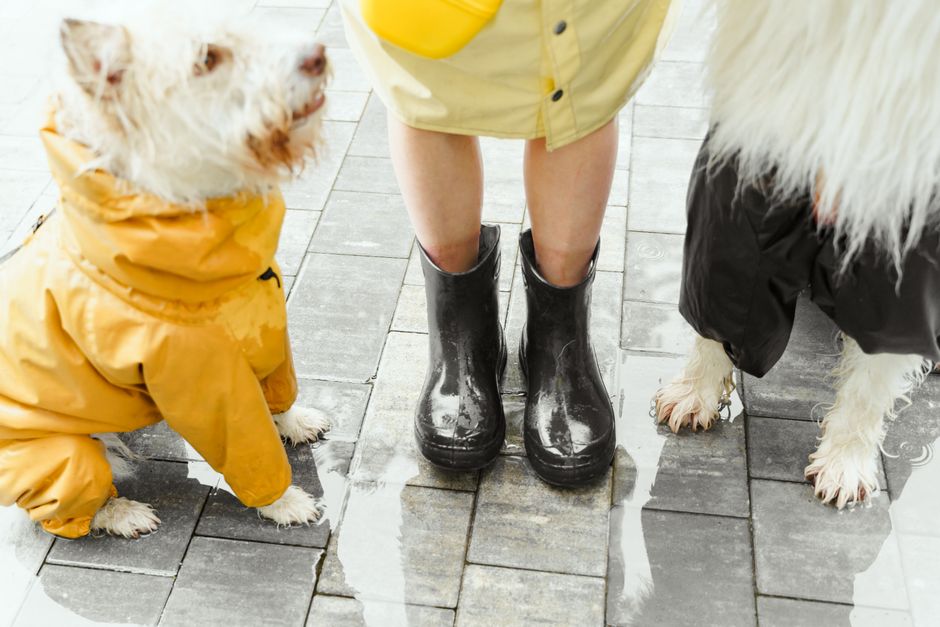
Need a rain coat that keeps you dry on a city walk without turning a simple outfit into outdoor gear? The best April option is a light shell with a shaped cut, sealed seams, room for one thin layer, and enough ventilation for faster walking. Prices below were checked in 2026, but retailers can change them by color and season.
Which lightweight rain coat is best for a city walk?
Fast verdict
For most city walkers, the Patagonia Women’s Torrentshell 3L is the strongest all-round choice. It looks more technical than a trench, but the regular fit works over a slim sweater without creating a puffy outline.
How the main options compare
The table shows the central tradeoff. Rains gives you the most coat-like silhouette, while Arc’teryx gives you the lowest weight and highest technical performance. Patagonia wins the middle ground. The Helly Hansen Seven J is a practical buy, but its 550 g weight can feel heavy beside a thin spring shell.
Why some rain coats feel bulky in April

Bulk is usually a shape problem
A rain coat can weigh less than 400 g and still look large. The reason is often the cut, not the fabric. A straight body, dropped shoulder, wide sleeve, and stiff hem add visual volume at the same time. A coat with a slightly shaped waist and a hem that ends around the upper thigh usually creates a cleaner line over jeans, tailored trousers, or a midi skirt.
Fit the coat over the layer you will actually wear. A fitted blazer needs more room across the upper back than a T-shirt. A chunky knit needs even more, but it also creates the exact bulk most shoppers want to avoid. For April, a thin merino sweater or fine cotton cardigan is usually the better base layer. It gives warmth without forcing you to size up two sizes.
Waterproof fabric changes how the coat moves
Rain shells use membranes, coatings, or laminated layers to stop water. Those materials can feel crisp or stiff, especially when the coat has a high waterproof rating. Stiff fabric does not always mean better protection for a city walk. It can make the shoulders stand away from the body and cause the back to bunch when you sit.
Look for articulated sleeves, a two-way stretch panel, or a back pleat if you walk quickly and use public transport. Underarm vents also matter. A coat that blocks rain but traps heat will feel bulky because you keep pushing the sleeves up or leaving the front open. Good April rainwear controls both water and body heat. That is the real test of comfort.
How to choose a rain coat that layers cleanly
The five-minute fit test
- Put on the exact top layer you expect to wear in April.
- Zip the coat fully and lift both arms to shoulder height. The hem should not pull sharply across your back.
- Reach forward as if holding a subway pole. If the cuffs ride more than 3 cm above the wrist, the sleeves are too short.
- Place your hands in the pockets. The pocket openings should remain flat instead of pulling the front fabric into diagonal lines.
- Sit down. A coat that rides above the waist or presses into the stomach will become annoying during every café stop and train ride.
The weather test
Do not judge protection from the word waterproof alone. Check the construction. Sealed seams stop water entering through the stitching. A storm flap protects the zipper. An adjustable hood should turn with your head instead of blocking your view. A longer back hem helps when you sit or carry a crossbody bag.
For steady rain, choose a waterproof-breathable shell with at least two layers and sealed seams. For brief showers between shops, a water-resistant fashion coat may be enough. The distinction matters because some coated fabrics shed light rain but will wet through during a long walk. If the product page only says water-repellent and gives no seam or membrane details, treat it as a light-shower coat.
Use measurements instead of vague sizing
Measure your chest over a thin sweater, then compare it with the garment chart. Aim for roughly 6 to 10 cm of extra room at the chest for a light layer. More than that often creates the oversized look you are trying to avoid. For petite frames, a 70 to 78 cm back length usually feels more balanced than a mid-calf raincoat. For taller walkers, a 78 to 85 cm length gives better coverage without looking like a heavy parka.
The best polished city coat: Rains Curve Long
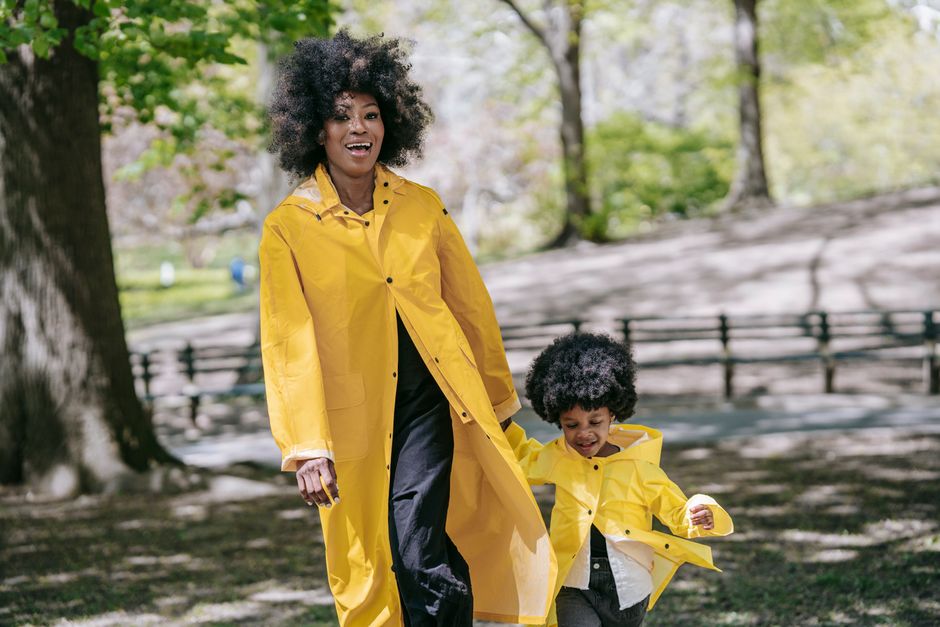
My clear recommendation
Those details make it look closer to a modern trench than a hiking shell. The belt creates shape without adding a bulky padded layer, and the longer cut covers the top of a dress or wide-leg trouser.
The tradeoff is clear. Rains lists ventilation eyelets, but it does not give the same fabric breathability details as a technical three-layer shell. I would choose it for errands, café walks, gallery visits, and a normal commute. I would not choose it for a steep two-hour walk in warm rain. The smooth PU fabric can feel warmer than a breathable membrane when your pace rises.
When Patagonia is the better choice
Choose the Patagonia Torrentshell 3L when the walk matters more than the trench-like finish. It is 148 g lighter than the Rains Curve Long, has pit zips, a 3-layer shell, and a self-stuffing pocket. Its regular cut gives more movement through the shoulders, and the adjustable hem helps keep wind from entering underneath.
My split decision is simple: Rains wins for an outfit-first wardrobe, Patagonia wins for weather-first performance. Both avoid the inflated look of an insulated coat because neither uses built-in warmth. Add a thin merino layer underneath instead of buying a larger shell.
Rain coat questions shoppers ask
Patagonia gives you a lower listed weight, a three-layer waterproof construction, and pit zips. Rains gives you a more defined waist and a cleaner trench-inspired shape. Pick Patagonia for distance and Rains for short urban routes. That is a real difference, not a minor styling detail.
Do I need a GORE-TEX coat for city walking?
No. It weighs 300 g and uses an 80-denier, three-layer GORE-TEX ePE fabric, so it is light and highly protective. Buy it if you want one shell for city walks, travel, and serious hiking. Skip it if you mainly need cover for a 20-minute commute. Patagonia gives you a large share of the useful performance for less than half the price.
Can a rain coat look like a trench?
Yes, but a traditional cotton trench is not automatically the best rain solution. The Rains Curve Long has a belt, shaped waist, storm flap, hood, and welded seams, so it delivers the trench outline with stronger wet-weather construction. The Helly Hansen Seven J costs £125 and has a simpler sporty cut, adjustable cuffs, a secure hood, and a two-layer HELLY TECH shell. Choose Helly Hansen for practical commuting; choose Rains for a more deliberate outfit.
The 30-second verdict for April walks

Skip any rain coat that needs a thick sweater underneath to look finished, has no seam information, restricts your arms when you reach forward, or relies on a vague water-repellent claim; those are the coats that feel bulky, fail in sustained rain, and stay in the closet after the first wet week.