Shein wins for fashion discovery, while Temu is better for accessories and simple basics. That is the useful answer for shoppers staring at a $6 dress, a $9 handbag, or a $12 pair of shoes and wondering how the price can be real. Both platforms sell low-cost products, but they do not offer the same shopping experience. Shein has a stronger fashion catalog, clearer clothing filters, and more customer photos. Temu often competes harder on small accessories, bags, jewelry, and miscellaneous wardrobe items.
The low price does not remove the need for judgment. You still need to check fabric, measurements, seller information, delivery terms, and return rules. A cheap garment that fits badly is not a bargain. This comparison gives you a practical way to judge the listing before you place an order.
Shein vs. Temu: What Are You Actually Buying?
Shein mainly presents itself as a fashion destination. Its catalog is built around dresses, tops, denim, activewear, shoes, and trend-led collections. Temu works more like a broad marketplace, where clothing sits beside phone cases, tools, home goods, and beauty accessories. That difference matters because a fashion-focused platform usually makes it easier to compare similar cuts and read reviews from people buying the same type of item.
| Shopping factor | Shein | Temu | Clear winner |
|---|---|---|---|
| Trend-led clothing | Large selection of current cuts and colors | More mixed marketplace listings | Shein |
| Accessories | Strong range of bags, jewelry, and hair pieces | Often very competitive on low-cost accessories | Temu for price |
| Size information | Product measurements are common, but sizing varies by line | Measurements depend heavily on the seller | Shein |
| Review photos | Usually easy to find on popular items | Useful, but coverage can be uneven | Shein |
| Quality consistency | Uneven across fabrics and sellers | Uneven across sellers and listings | Neither |
| Best use | Outfit experiments and seasonal pieces | Small fashion extras and low-risk accessories | Depends on the item |
Use established mid-market items as a quality reference. An Uniqlo Supima Cotton T-Shirt often costs about $19.90, an H&M Premium Cotton T-Shirt may sit near $14.99, and a Levi’s 501 Original Jeans commonly costs around $79.50 before discounts. A $5 Shein top or $8 Temu top may still work, but it should not be judged as a direct substitute for those products. The lower price usually comes with thinner fabric, less predictable finishing, or a shorter expected lifespan.
Bottom Line: Pick Shein when the clothing itself is the main purchase. Pick Temu when you want inexpensive accessories and can tolerate more variation between listings.
How to Compare a $10 Outfit Without Getting Fooled
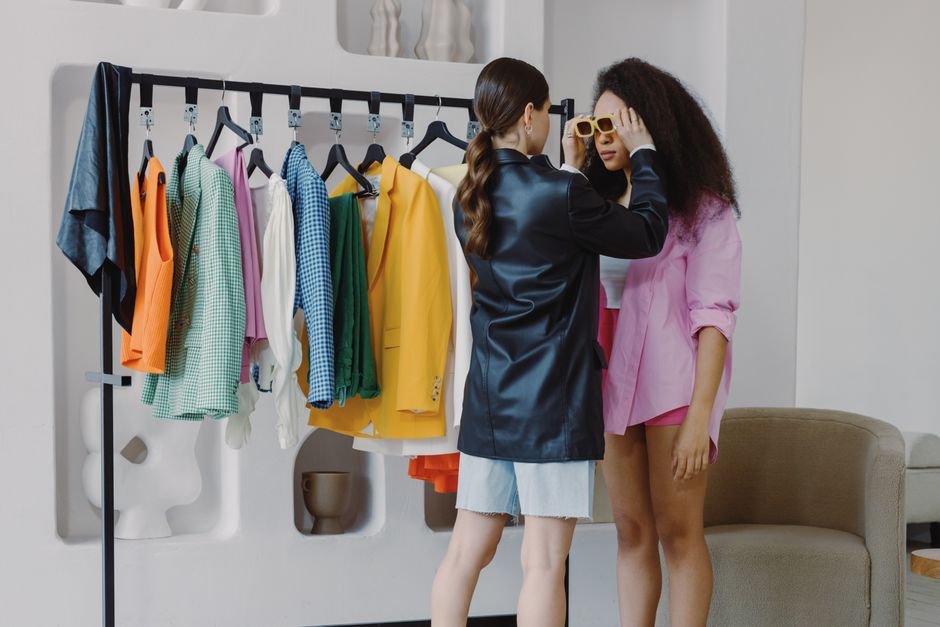
The product photo is the least reliable part of a low-cost fashion listing. Bright lighting, careful posing, and aggressive editing can make a thin polyester top look structured and opaque. Use this five-step check before adding anything to your basket.
- Read the fiber content first. Polyester, elastane, acrylic, and nylon are not automatically bad, but they behave differently. A 95% polyester and 5% elastane top may stretch well but trap heat. A cotton blend may feel better but shrink if washed hot.
- Open the measurement chart. Ignore labels such as small, medium, or large until you compare bust, waist, hip, rise, and garment length measurements with a piece you already own. For trousers, the rise and inseam often matter more than the waist label.
- Sort reviews by customer photos. Look for images taken indoors, outside, and after washing. One polished studio image tells you little. Ten ordinary customer photos can reveal transparency, cling, sleeve length, and color differences.
- Check the seam and closure details. Zoom in on zippers, buttons, hems, pockets, and lining. A dress with no lining may be see-through. A very low-cost blazer may have a decorative pocket and a lightweight fabric that collapses instead of holding its shape.
- Calculate the real cost. Add shipping, possible return postage, tailoring, and the cost of replacing the item if it fails after two washes. A $9 skirt that needs $18 of alterations is not cheaper than a $20 skirt that fits on arrival.
This method also prevents impulse buying. Save the listing for a day, then ask if the garment works with at least three things already in your wardrobe. If the answer is no, the low price is doing the selling for you.
Bottom Line: The safest low-cost purchase is a simple item with clear measurements, customer photos, and a fabric that suits the way you dress. Skip dramatic pieces with vague sizing and no useful review evidence.
Why Shein Usually Wins on Fashion, but Temu Can Surprise You
For trend-led clothing, Shein is the stronger choice because its catalog is easier to browse by silhouette, occasion, color, and size, and its popular garments tend to collect more customer photos; for a simple crossbody bag, hair clip, scarf, or pack of costume rings, Temu can deliver better value because the purchase carries less fit risk and many listings compete on price, but neither platform deserves a blanket quality endorsement because a $7 ribbed dress, a $10 satin skirt, and a $6 necklace can come from very different materials and production standards even when they appear beside one another, so my verdict is direct: use Shein for an outfit idea you have already inspected and Temu for inexpensive extras that do not need to support your body, survive heavy wear, or look identical to the product photograph.
Bottom Line: Shein is the better fashion browser; Temu is the better bargain hunt for low-risk finishing pieces.
Which Ultra-Cheap Fashion Buys Should You Avoid?

Low prices become risky when the item has to perform a technical job. A fashion buyer should be more demanding with footwear, structured tailoring, swimwear, underwear, and clothing worn in hot weather. These products touch the body closely, carry weight, need reliable support, or face repeated washing. The cheapest listing may cut costs in places you cannot see from a photograph.
Skip items with a high fit or safety cost
Be cautious with very cheap shoes when the listing gives no insole length, heel height, or material information. Poorly shaped footwear can cause blisters and pressure points, while a smooth synthetic sole may feel unstable on wet pavement. Swimsuits also deserve extra scrutiny. Check for lining, adjustable straps, coverage, and review photos taken in natural light. If the listing avoids those details, leave it alone.
Watch for fabric problems
Thin polyester can be fine for a loose costume-style top, but it is a poor choice for a tight summer garment if you dislike heat and cling. Acrylic knitwear may pill quickly under a coat or bag strap. Unlined satin-look fabric can show every crease. A garment described only as soft, premium, or luxury without a fiber breakdown is not giving you enough information.
Do not treat returns as a cure-all
Return policies can have conditions, deadlines, exclusions, or seller-specific instructions. Read the policy before ordering several sizes. Keep packaging until you have checked fit and construction, and photograph defects as soon as the parcel arrives. If a return process feels unclear, the correct decision is not to gamble on a $4 item. It is to choose a listing with clearer terms or buy from a retailer with a stronger after-sales record.
These rules also explain when not to buy from either platform. For a winter coat you expect to wear for five years, a work blazer that must hold its shape, or shoes for long days on your feet, spend more on a brand with known measurements and easier exchanges. A Nike Dri-FIT One Top at roughly $40, for example, is not the same purchase as a $10 activewear top: the price difference may reflect fabric recovery, stitching, and testing rather than branding alone.
Bottom Line: Avoid ultra-cheap products when failure could cause discomfort, poor support, wasted tailoring money, or an urgent replacement purchase.
What Is the Smartest Way to Build a Low-Cost Outfit?

Start with one reliable wardrobe anchor, then use Shein or Temu only for the inexpensive supporting pieces. This approach keeps the savings while reducing the chance that an entire outfit looks thin, mismatched, or disposable.
Should you buy the main garment from Shein or Temu?
Choose Shein for a dress, skirt, blouse, or fashion-forward top when the listing has complete measurements and strong customer photography. Choose Temu only when the garment is simple and the seller provides enough evidence to judge it. For a fitted item, Shein gets my vote because its fashion categories and review history make comparison easier.
Which pieces should cost more?
Spend more on jeans, coats, everyday shoes, and bras. These pieces need stable fit, durable construction, and comfort across many wears. Use a lower-cost platform for a scarf, jewelry, bag charm, hair accessory, or occasional statement top. The best budget wardrobe is not made from the lowest price on every product page. It combines a few dependable pieces with carefully selected trend items.
How do you decide after the parcel arrives?
Try each item on before removing tags. Check opacity in daylight, pull gently across seams, inspect the hem, test every closure, and compare the actual color with the listing. Wash according to the care label before deciding that the fabric holds up. Return anything that feels uncomfortable, looks materially different from the listing, or cannot work with clothes you already own.
That brings us back to the shopper comparing two tempting carts: Shein is the better starting point for a coordinated fashion look, while Temu is the sharper pick for inexpensive accessories. The real saving comes from buying fewer pieces with better evidence, not from treating every $5 listing as a risk-free win.
This is not financial advice. It is a practical fashion-shopping framework for keeping ultra-affordable purchases useful instead of wasteful.