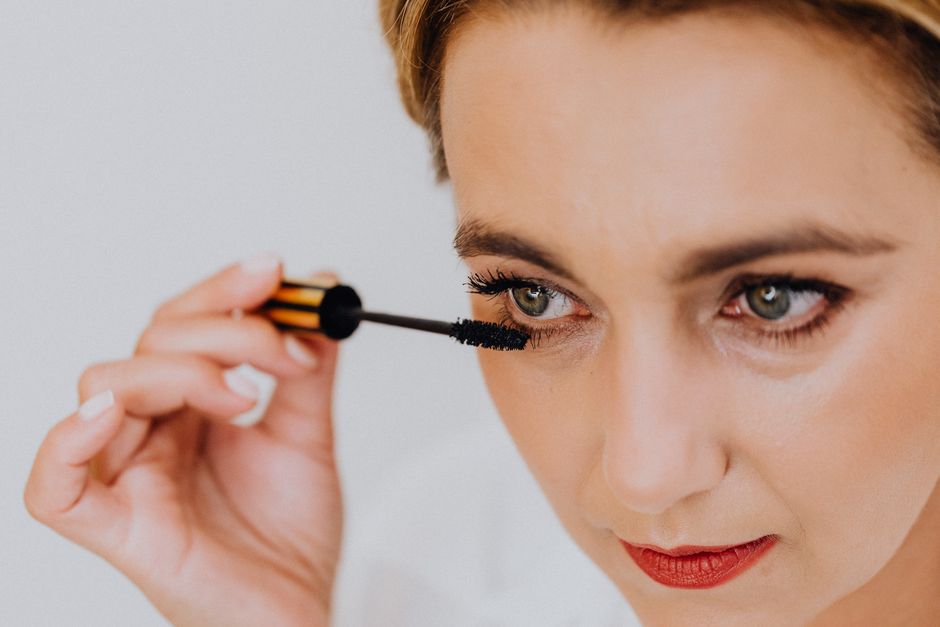
A 20 mph wind moves across your face at roughly 1,760 feet per minute. That is enough air movement to dry exposed skin, disturb loose powder, and turn a fresh base patchy before you reach the end of the block. March makeup needs a different plan from summer makeup. You want breathable coverage, but you also need enough grip to handle cold air, friction from a scarf, and sudden gusts.
Why wind changes the finish of light makeup
Wind removes moisture before it removes makeup
Wind does not dissolve foundation by itself. It speeds up moisture loss from the surface of your skin. As the skin becomes drier, a sheer base can catch on tiny dry patches around the nose, mouth, and cheeks. The result looks uneven even when the formula has not moved very far.
Cold March air makes this worse. Low temperatures can reduce the amount of oil sitting on the skin, while indoor heating leaves the surface thirsty. A matte formula may look neat for the first hour, then separate into small flakes during a walk. A dewy formula may stay comfortable but slide where a scarf touches the jaw.
Friction is the second problem
Scarves, coat collars, sunglasses, and gloved hands all create friction. Light coverage products contain less pigment, so even a small amount of movement becomes visible. Powder can transfer onto fabric. Cream blush can leave a bare patch when you pull a scarf over your chin.
The best March base is not the one with the heaviest hold. It is the one that leaves a thin, flexible film on well-prepped skin. That film needs moisture underneath and very little product on top. For windy walks, flexible adhesion matters more than a fully matte finish.
How to choose a light base for breezy weather

Use this five-point buying test
- Choose a liquid, serum, or gel-cream texture rather than a dry powder foundation. These formulas spread into a thinner layer and are less likely to emphasize flakes.
- Look for a natural or satin finish. A completely flat matte finish can highlight March dryness, while a very wet finish can move under a scarf.
- Check the coverage description. Sheer to light-medium coverage is the right range for an even complexion without a thick edge around the hairline.
- Pick a base with a set time of at least five minutes. A formula that stays slippery all day will not handle a collar brushing the face.
- Buy the shade for your current skin tone, not your hoped-for summer tone. A mismatched sheer base looks gray, orange, or pink in daylight.
Separate sunscreen from your makeup test
Do not judge a base by its SPF number alone. Makeup with SPF can help, but the amount applied for a light finish is often less than the amount used in a proper sunscreen application. Apply broad-spectrum sunscreen first, let it settle for 10 minutes, then test the makeup. This also reveals pilling before you leave home.
Check the touch test
After the base sets, press a clean tissue to the side of your nose and cheek. A light mark is normal. A wet imprint or visible streak means the product needs more time, less skincare underneath, or a small amount of setting powder at the center of the face.
How to apply makeup so it holds through a walk
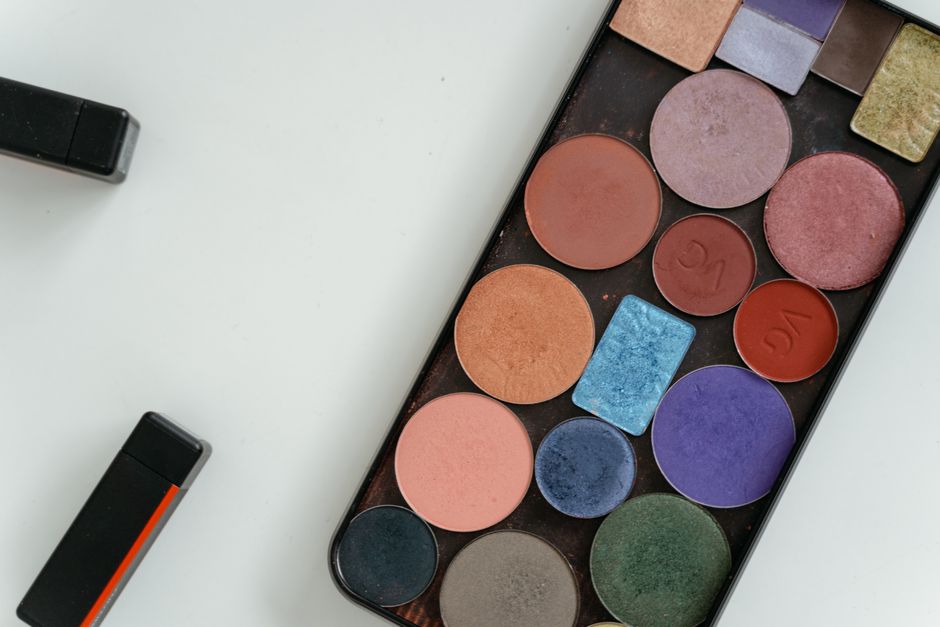
Thin layers beat one heavy layer every time. A thick coat creates a larger surface for wind and friction to disturb. Use this seven-minute routine before you go outside.
- Wash or gently rinse your face, then pat it dry. Avoid scrubbing right before makeup because freshly irritated skin produces more texture.
- Apply a lightweight moisturizer to the cheeks, around the nose, and anywhere that feels tight. Use less on the forehead and chin.
- Apply sunscreen in an even layer. Wait 10 minutes so the sunscreen film can settle instead of mixing with the base.
- Dot the skin tint across the center of the face. Start with half a pump. Add only where redness remains.
- Press the product in with fingers or a damp sponge. Rubbing creates streaks and lifts the skincare underneath.
- Wait five minutes before adding concealer, blush, or bronzer. This pause is the difference between a set base and a sliding base.
- Press a small amount of translucent powder around the nostrils, under the eyes, and along the jaw where a collar will touch. Leave the cheeks mostly powder-free.
Keep blush from disappearing
Use cream blush first, then press a matching powder blush over the center of the color. The cream creates a stain-like base. The powder adds a dry surface that handles wind better. Keep the layers small. Too much blush turns patchy when you pull a scarf across the cheek.
Protect the edges
Hairline and jawline edges need less product than the middle of the face. Blend outward until the remaining color is almost invisible. If you can see a foundation line in a side mirror, wind will make it more obvious by drying the border.
What goes wrong with windy-day makeup
Why does my skin tint look flaky after a short walk?
The usual cause is dry skin underneath, not a bad shade. Heavy exfoliation, a fast-drying moisturizer, or too much powder can leave rough patches that catch the pigment. Remove the base, apply moisturizer to the dry area, wait five minutes, and retry with half as much product. Do not keep adding makeup over the flakes.
Why does my base move around my nose?
The nose produces more oil and receives more friction from tissues, sunglasses, and cold-weather rubbing. Use a very small amount of base there. Press one layer of powder around the nostrils after the product sets. A second coat usually makes the movement more visible, not less.
Why does my makeup transfer onto my scarf?
The scarf is touching the skin with pressure, so no light base can promise zero transfer. The fix is placement. Keep moisturizer and base slightly thinner along the jaw, set that strip with a fine powder, and pull the scarf below the mouth when possible. Avoid a rich balm or glossy cream blush on the exact area that touches fabric.
One more mistake deserves attention: testing a base indoors under warm bathroom lighting. Daylight exposes shade errors and uneven texture quickly. Check the finished makeup near a window before you leave.
When light coverage is the wrong buy
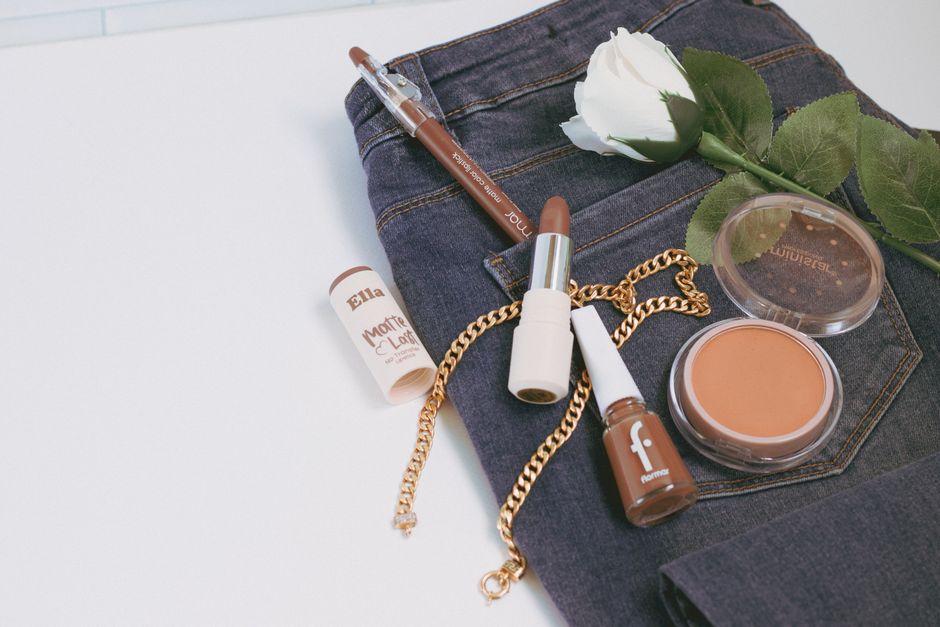
My strongest recommendation is to skip a skin tint when you need reliable full-day correction. Light coverage cannot hide active blemishes, strong discoloration, or large areas of redness without repeated layering. Reapplying thin makeup in cold wind often creates more texture than starting with a medium-coverage base.
Choose a medium base for long outdoor days
If you will walk for several hours, attend an outdoor market, or move between cold streets and warm buildings, use a medium-coverage formula only where you need it. Apply one thin layer to the center of the face, then blend the leftover product toward the edges. This is the best alternative when light coverage leaves too many areas exposed.
Choose concealer instead of more foundation
This approach looks fresher and reduces the amount of makeup that can rub onto a scarf. Do not buy a heavier foundation just to cover two small spots.
Skip dewy light coverage entirely if your skin becomes oily around the nose within two hours. A natural satin base with powder in the center will give a cleaner finish. Skip matte foundation if cold air already leaves your cheeks tight. The wrong finish creates the exact texture you were trying to hide.
The short list for March windy walks
For most people, the best routine is sunscreen, a thin skin tint, cream color, and powder only where fabric touches. Keep the cheeks flexible so the base can move with the skin. Keep the nose and jaw controlled so wind and friction have less to grab.
Best overall choice
Fenty Beauty Eaze Drop Skin Tint is the best all-round pick for normal to combination skin. It offers more useful coverage than the sheerest tinted moisturizers while staying light enough for daytime. Choose bareMinerals Complexion Rescue for dry skin and Tower 28 SunnyDays for the best lower-cost option.