A statement earring collection does not need dozens of dramatic pairs. The common mistake is treating every bold earring as a special-occasion accessory. The strongest collection works harder: one pair sharpens a plain T-shirt, another gives a work outfit more shape, and a third changes the mood of a simple black dress. The goal is not to collect the largest earrings. It is to collect the right amounts of scale, color, shine, and movement.
Why a Statement Earring Collection Changes an Outfit
Earrings sit close to the face, so they can change how an outfit reads before anyone notices the shoes or bag. That makes them one of the quickest ways to add personality to basic clothing. A white shirt with small studs looks clean and quiet. The same shirt with sculptural gold drops feels styled, even when every other garment stays the same.
The face is the visual starting point
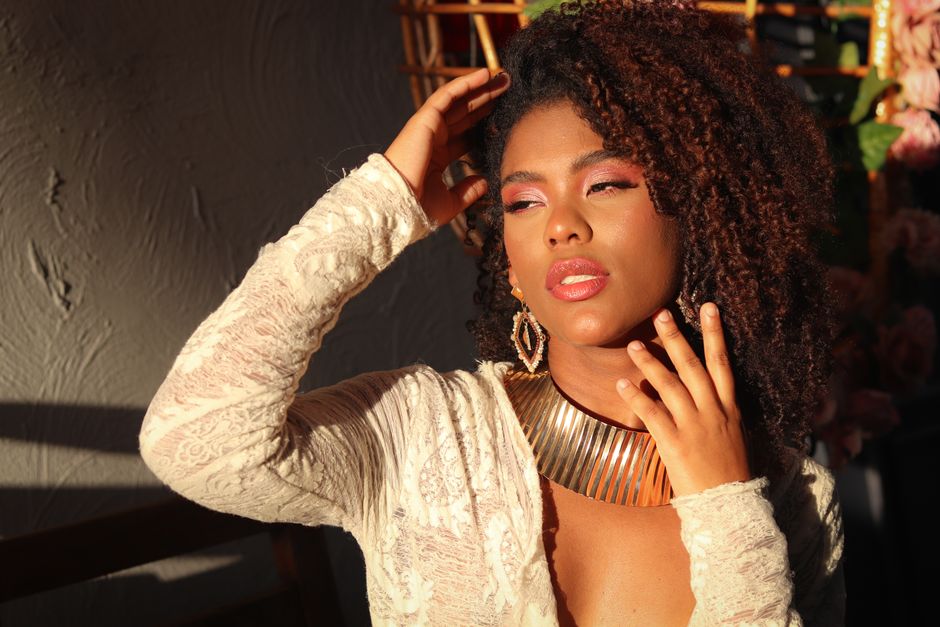
Accessories near the face frame the features and create a point of focus. Long earrings add a vertical line, rounded hoops soften sharp angles, and geometric earrings bring structure to loose or romantic clothing. This effect explains why a strong pair can rescue an outfit that feels unfinished. The earring supplies contrast, not clutter, when its shape differs from the neckline or collar.
One bold detail usually works better than five
Statement earrings also solve a styling problem: they let you create interest without adding layers everywhere. Choose one main focal point, then keep the necklace, hair accessory, or handbag quieter. A large pair paired with a fine chain looks deliberate. Large earrings, a thick necklace, a printed scarf, and a heavily decorated bag compete for attention. For most wardrobes, the best first purchase is a versatile pair that adds shape to plain clothing rather than a novelty design that only suits one event.
Build the Collection Around Three Clear Roles
Start with roles, not shopping impulses. A useful collection needs range, but the range should reflect real occasions in your wardrobe. Three pairs can cover most daily styling needs if each pair performs a different job.
Use this three-pair foundation
- The everyday statement: Choose a medium hoop, polished oval, or short drop in gold, silver, or tortoiseshell. It should work with denim, knitwear, button-down shirts, and simple dresses.
- The polished work pair: Pick a clean geometric shape with restrained shine. A slim metal drop or pearl-edged design adds interest to tailoring without making the outfit feel loud.
- The expressive occasion pair: Reserve one pair for strong color, crystal sparkle, unusual texture, or dramatic length. This is the pair that changes a plain outfit for dinner, a party, or a wedding guest look.
Give each pair a different job
Do not buy three versions of the same gold hoop. That creates duplication, not variety. If your first pair has a rounded shape, make the second angular. If the first pair sits close to the lobe, let the third create movement. A collection feels useful when you can describe the purpose of every pair in one sentence. If you cannot name the outfit gap an earring fills, leave it in the shop.
Match Earring Scale to Necklines and Face Shape
Scale matters more than price. An inexpensive pair with the right length can look more refined than a costly pair that overwhelms the face. Use the neckline, hair length, and facial proportions as practical guides, then adjust for your personal taste.
Quick scale guide for common outfits
| Outfit or feature | Best earring direction | Useful measurement | Why it works |
|---|---|---|---|
| High neckline or turtleneck | Long drop or slim geometric style | 4–7 cm | Creates vertical space above a covered neckline |
| Open collar or V-neck | Medium hoop or compact drop | 2–4 cm | Frames the opening without copying its shape |
| Short hair or pulled-back hair | Textured hoop or architectural drop | 3–6 cm | Makes the ear area part of the outfit |
| Long or thick hair | Bright metal, pearl, or high-contrast color | 2–5 cm | Stops the earring disappearing into the hair |
The best first size for most wardrobes
A 3–4 cm earring offers the strongest starting point because it shows clearly without restricting your clothing choices. The Kendra Scott Danielle Drop Earrings, often priced around $70, sit in this useful middle range and bring a recognizable teardrop shape to workwear or casual outfits. For a more graphic look, a 4–5 cm oval or rectangular drop gives similar impact with less decorative detail.
Choose Materials That You Can Wear for Hours

The best statement earring is the one you can keep on. Heavy metal, rough edges, and poor fastenings turn an attractive purchase into a drawer item. For comfort, lightweight acetate, hollow metal, resin, and thin wire designs beat solid thick metal in larger shapes.
Comfort should decide the dramatic pair
For an everyday collection, keep most earrings under roughly 8 grams per pair. That limit varies by person, but it provides a useful buying check. The Mejuri Bold Hoops, commonly listed around $98, offer a clean gold look, yet their thicker construction may feel heavier than a hollow hoop of the same diameter. For sensitive ears, choose sterling silver, titanium, 14-karat gold, or clearly labelled nickel-free posts. Avoid relying on plating alone if irritation happens quickly.
Test the fastening before judging the design
Push backs suit lighter earrings, while lever backs and hinged hoops give better security for movement-heavy days. Large drops with thin posts can pull forward and make the earring sit at an awkward angle. Swarovski Millenia drop earrings, often priced around $155, show how crystal sparkle can create impact without relying on extreme size, but check the fastening and total weight before buying. The clear verdict: choose lightweight construction and a secure closure before choosing extra length or decoration.
Use Color to Make Outfits Look Intentional
Build color in layers, not random bursts. A good statement earring collection needs one reliable metal, one wearable neutral, and one color that appears elsewhere in your wardrobe. This approach makes bold earrings easier to style and prevents them from looking disconnected from the outfit.
Start with a metal that repeats in your wardrobe
Gold works well with cream, camel, olive, brown, denim, and warm prints. Silver suits black, white, grey, navy, icy blue, and cooler pastels. Mixed metals can look modern, but they need a clear reason, such as a watch that already combines gold and silver. Pick the metal that matches the jewellery you already wear most often. The BaubleBar Murano-style hoop range, with many colorful glass options commonly priced near $78, works best when one shade echoes a blouse, shoe, or handbag rather than floating alone.
Choose color by contrast level
If most of your wardrobe is neutral, cobalt, emerald, red, or violet can become the collection’s expressive note. If you already wear strong prints, select amber, cream, tortoiseshell, or pearl so the earrings calm the outfit. A useful rule is to repeat the earring color once, but not more than twice. For example, red earrings with a red shoe and black clothing look planned; red earrings with a red bag, red belt, red nails, and a red jacket can feel staged.
Avoid the Mistakes That Make Earrings Look Costume-Like
Most styling problems come from proportion and repetition, not from wearing bold jewellery. A statement pair can look polished when the rest of the outfit gives it room.
Watch for these common errors
- Buying for the display card: Store lighting and a close-up mirror exaggerate detail. Check the earrings from a normal distance and imagine them with your coat, hair, and glasses.
- Ignoring the neckline: A long necklace crossing a long earring creates visual traffic. Remove one of the two focal points.
- Choosing weight over wearability: If the lobe pulls down within ten minutes, the pair will not become more comfortable later.
- Repeating the same silhouette: Three circular hoops do not create a flexible collection. Add a drop, bar, knot, or angular shape.
- Matching every detail: Exact colour matching can make accessories look like a set. Echo a tone instead of copying it.
Know when not to buy another pair
Skip a purchase if you already own an earring that serves the same outfit role, size, and color. Also skip very delicate fastenings for travel, crowded events, or long hair that catches easily. A dramatic pair is a poor choice if you need to adjust it every few minutes. The better investment may be replacement backs, a lighter version of an existing shape, or a different metal that fills a genuine gap.
Questions to Answer Before You Buy Another Pair
A small pause can turn accessory shopping into wardrobe building. Ask these questions while the earring is still in the shop.
Will I wear it with at least three outfits?
Choose three real combinations before buying: a casual outfit, a work outfit, and an evening outfit. If the earring only works with one dress, treat it as an occasion purchase, not as a foundation piece. That distinction keeps the collection honest.
Does it add a new shape, color, or finish?
Compare the candidate with what you own. A new pair should add something clear: movement, shine, texture, color, or scale. If the difference is too small to see from a mirror-length distance, the collection probably does not need it.
Can I wear it comfortably for four hours?
Check the post, closure, weight, and balance. Think about glasses, headphones, scarves, and hair. A pair that stays comfortable through a workday or dinner earns its place faster than one that looks impressive for ten minutes. Statement earrings are moving toward lighter construction, better mixed materials, and more personal shapes, so the future of the category belongs to pieces that bring drama without asking the wearer to tolerate discomfort.