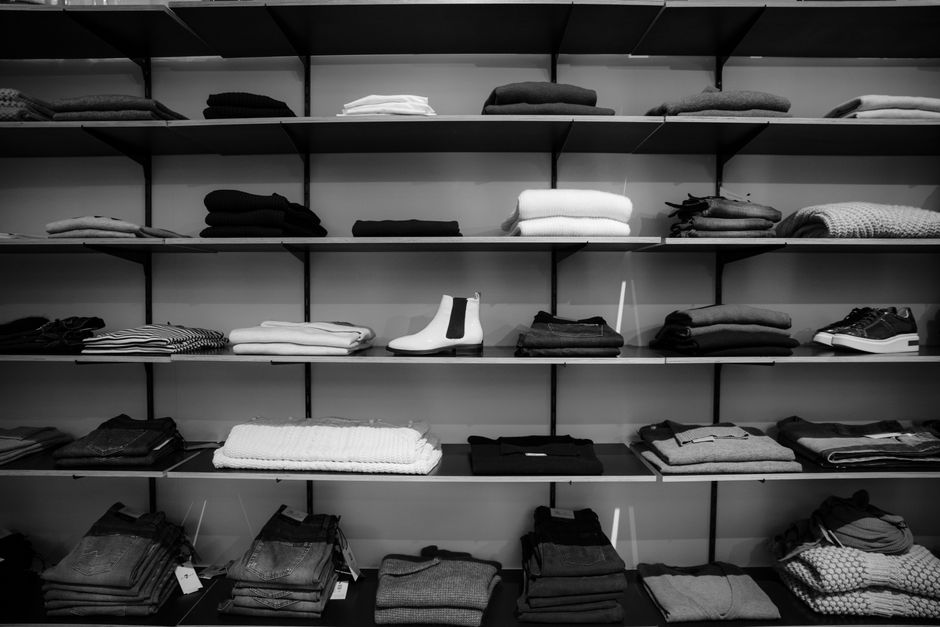
I run a fashion blog and I still couldn’t get dressed in under 15 minutes. My closet had roughly 80 items, and I wore maybe 20 of them. The rest were guilt purchases, aspirational sizing, or things I bought because a TikTok convinced me I needed a sequin blazer. I don’t.
So I locked up everything except 15 pieces. Shoes counted. Bags counted. Outerwear counted. Jewelry didn’t. I did this for 30 days in a major city during a season transition.
Here’s what broke, what surprised me, and why I’m never going back to a bursting closet.
The 15 Items I Kept (And Why Each One Made the Cut)
I didn’t pick the prettiest things. I picked the ones with the lowest friction. That meant no dry-clean-only silk blouses, nothing that required specialty bras, and absolutely nothing that pinched after sitting for an hour.
The list:
- Outerwear: A black wool-blend overcoat (Aritzia, thrifted), a cropped denim jacket (Levi’s, years old)
- Tops: White heavyweight cotton tee (Everlane), black merino crewneck (Uniqlo), grey cashmere-blend sweater (NAADAM), striped long-sleeve boatneck (COS)
- Bottoms: Straight-leg dark wash jeans (Levi’s Ribcage), black wide-leg trousers (Everlane), cream corduroy pants (Zara, thrifted)
- Dresses/Jumpsuits: Black long-sleeve midi dress (Quince), denim boiler suit (Free People, secondhand)
- Shoes: White leather sneakers (Veja Campo), black ankle boots (Blundstone), black loafers (Dr. Martens Adrian)
- Bag: Black leather backpack (Matt & Nat)
I broke a cardinal rule immediately: I included two blue denim items. The jacket and the jeans. Purists say don’t double up on categories. I did it anyway because the washes were different enough, and I wasn’t going to freeze for the sake of a rule.
What Actually Matters in a 15-Piece Wardrobe
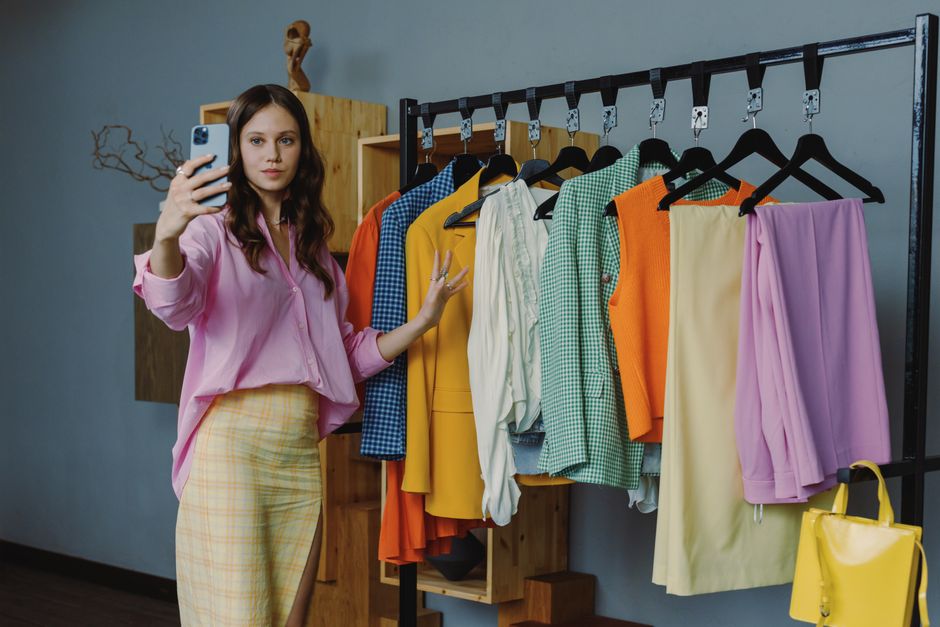
Forget the color palette charts and capsule wardrobe formulas you see on Pinterest. Those assume you live in a climate that doesn’t exist and never spill coffee.
Three things actually matter:
1. Fabric weight, not fabric type. Everyone says “natural fibers.” That’s half-right. A thin cashmere sweater pills in two wears. A thick merino one doesn’t. I learned to shop by grams per square meter (GSM), not just fiber content. My Uniqlo merino crewneck is roughly 190 GSM — light enough to layer, heavy enough to not look sheer. Anything under 150 GSM in a knit is a gamble.
2. Wrinkle recovery time. I timed this. I’d hang something at 7am after a steam, wear it for 8 hours, and check the elbow and lap creases. The COS boatneck recovered in 20 minutes. The cotton tee took an hour. The corduroy pants held knee bags for two full days. That matters when you’re rewearing things twice between washes.
3. Odor resistance, not just washability. Merino wool got me three wears between washes. The cotton tee got one. The cashmere blend got two. If I did this again, I’d swap the cotton tee for another merino piece. Less laundry, less wear from washing, longer life.
| Item | Material | Wears Before Wash | Wrinkle Recovery | Cost Per Wear (30 days) |
|---|---|---|---|---|
| Everlane Cotton Tee | Heavyweight Cotton, 220 GSM | 1-2 | ~60 min | $1.17 |
| Uniqlo Merino Crewneck | Merino Wool, 190 GSM | 3-4 | ~25 min | $0.83 |
| NAADAM Cashmere Sweater | Cashmere Blend | 2-3 | ~30 min | $2.40 |
| Levi’s Ribcage Jeans | 99% Cotton, 1% Elastane | 5+ | N/A (denim) | $0.66 |
| Veja Campo Sneakers | Leather | 30 | N/A | $0.47 |
The Blundstones had the lowest cost per wear by a mile. I’d owned them for two years before this experiment. At roughly $210, spread across roughly 500 wears, they’re at $0.42 per wear and dropping. The cheapest thing in my closet is the most expensive pair of shoes I own.
The Laundry Reality Nobody Talks About
Capsule wardrobe content shows pristine, steamed clothes in beige bedrooms. My reality: I did laundry every three days. Not because I wanted to. Because I had one white tee and it yellowed at the collar by day two.
If you have 15 items and wear 5 per day (including outerwear and bag), you’re cycling through everything fast. That means:
- You need a stain stick in every bag. I used the Puracy Stain Remover and kept a Tide pen in my backpack.
- You’ll learn which deodorants actually work. I switched to an aluminum-free one mid-experiment and immediately regretted it. The merino forgave me. The cotton didn’t.
- Hand-washing isn’t charming. It’s a chore. I hand-washed the cashmere blend twice and then threw it in a mesh bag on delicate. It survived. If an item can’t survive a mesh bag, it doesn’t belong in a 15-piece wardrobe.
One unexpected win: I stopped losing socks. When you only have four pairs in rotation, you notice immediately when one goes missing.
When a 15-Piece Wardrobe Doesn’t Work

I’m not going to tell you this is for everyone. It’s not.
If you work in a formal office with a strict dress code, 15 items is probably too tight. You’d need at least two blazers, multiple button-downs, and backup trousers. A 25-piece wardrobe is more realistic there.
If you live somewhere with four extreme seasons, you can’t do 15 items year-round. You’d need to swap out the capsule by season. My 15 pieces worked for a 45-65°F month. In August or January, I’d have made different choices.
If you have a job where you’re visible and photographed frequently, people notice repeats. I don’t think they should care, but they do. I got one comment from a coworker: “Didn’t you wear that Wednesday?” I had. It was clean. I moved on.
The biggest failure mode I see: people pick 15 items they *wish* they wore, not 15 items they actually reach for. I almost included a silk midi skirt. I’ve worn it twice in three years. It would have sat in my 15-item closet untouched, taking up a slot I needed for the corduroy pants I wore 9 times in 30 days.
The Social Experiment No One Prepared Me For
Here’s what I didn’t expect: the mental quiet.
I have ADHD. Decision fatigue is real. Before this, I’d stand in front of 80 items and feel paralyzed. With 15, I got dressed in under four minutes every morning. Not because I’m disciplined. Because there were no bad choices. Everything went with everything else.
I also stopped shopping. Completely. For 30 days, I didn’t browse, didn’t add to cart, didn’t scroll resale apps. When you can’t buy anything new to add to the rotation, the urge dies. I saved roughly $400 that month just from not impulse-buying.
The downside: I got bored. By day 22, I was sick of my own uniform. I missed my printed blouses and my weird vintage jackets. The boredom is real, and I think that’s why most capsule wardrobes fail. You have to be okay with repetition. I learned I’m okay with it for about three weeks, and then I need one wildcard piece to stay sane.
What I’d Tell Someone Starting This Tomorrow
Don’t buy anything new first. Start with what you already own. Pull 15 items, lock up the rest, and do one week. Not a month. One week. You’ll know by day five what’s missing.
Count shoes and outerwear. This is the mistake everyone makes. They pick 15 clothing items and then add five pairs of shoes and three jackets. That’s not 15 items. That’s 23. Your coat counts. Your sneakers count. Your bag counts.
Pick one wildcard. Mine was the denim boiler suit. It wasn’t the most versatile piece, but it made me happy. Without it, I would have quit by day 10. A 15-piece wardrobe doesn’t have to be joyless to be functional.
The brands that held up best: Uniqlo for merino basics that don’t pill, Levi’s for jeans that keep their shape after multiple wears, and Blundstone for boots that somehow look better beaten up. The Everlane tee was fine but not exceptional — I’d try the Jungmaven hemp tee next time for better odor resistance.
The Only Metric That Matters
Cost per wear.
Not price. Not brand prestige. Not how many compliments you get. Cost per wear is the single number that tells you whether an item earned its place.
My $210 Blundstones are at $0.42 per wear and falling. My $120 Free People boiler suit, worn four times in 30 days, is at $30 per wear. That’s a terrible investment. I love it, but it’s a terrible investment. I’m keeping it anyway because the wildcard rule applies.
Before this experiment, I thought I needed more clothes to have more outfits. I was wrong. I needed fewer, better clothes that I actually wore. The math proves it.