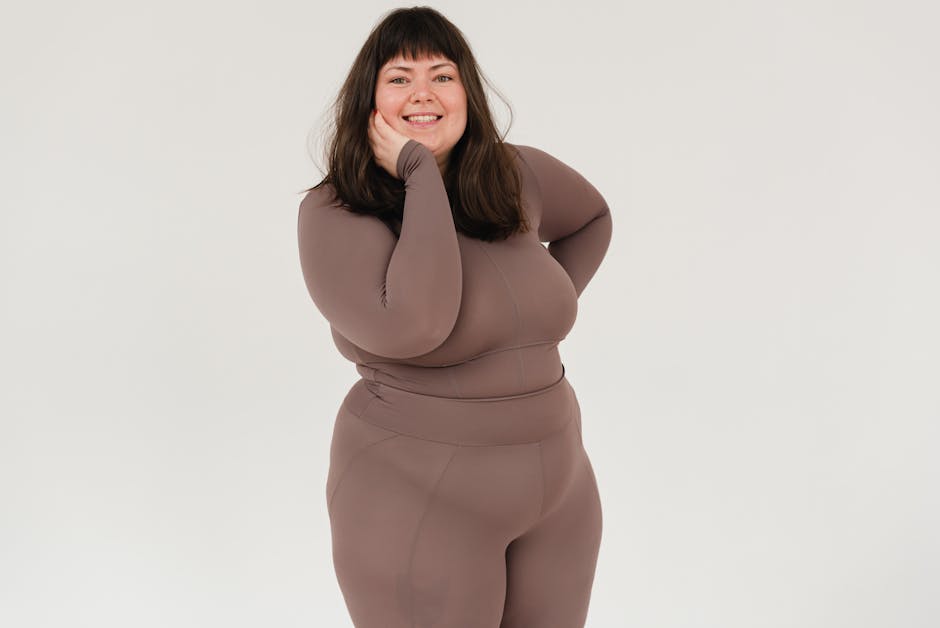
Most plus-size activewear on the market is not designed for plus-size bodies. It is designed for straight-size bodies and scaled up — a process called grading — which produces clothes that fit awkwardly in the hips, gap at the waist, and bunch in the wrong places. Knowing this one fact changes how you shop.
Why Extended Sizes and Actual Plus-Size Design Are Not the Same Thing
When a brand adds an XL, 2X, or 3X to their size range, they have usually taken their standard pattern and added uniform inches across the entire garment. The problem is that plus-size bodies do not scale uniformly. Hip-to-waist ratios differ. Thigh circumference does not increase at the same rate as waist circumference. Bust fullness sits at a different point on the torso.
The result is leggings that will not stay up at the waist even when they fit at the hip. Tank tops with armholes that cut into the chest. Sports bras that technically close but provide no real support. This is not a sizing problem. It is a design problem.
Brands that actually redesign their patterns for plus-size bodies produce visibly different results. Athleta does proportional testing with plus-size fit models across their extended range. Girlfriend Collective builds their curve line with different rise heights and hip-to-waist ratios. The leggings sit differently on the body. The waistband does not roll.
What Proportional Design Changes About the Fit
In genuinely redesigned plus-size activewear, you will notice higher rises that account for a greater waist-to-hip difference — typically 11 to 13 inches of rise rather than the 9 to 10 inches standard in straight sizes. Inseams are cut for fuller thighs without piling excess fabric at the knee. Longer torso lengths prevent fabric from riding up during movement. Wider waistbands — at least 3 inches — with reinforced internal elastic that actually stays in place through a full workout.
When these adjustments are missing, no amount of sizing up fixes the fit. You will keep coming back to the same problems — rolling, gapping, riding up — because the underlying pattern was never built for your proportions.
Which Brands Redesign vs. Which Brands Grade Up
Brands using genuinely redesigned plus-size patterns include Athleta (up to 3X), Girlfriend Collective (up to 6X), Torrid Sport (up to 6X, a label built for plus-size from the ground up), and Cacique Active by Lane Bryant (up to size 28/30). These brands test on plus-size fit models and adjust multiple variables — not just circumference.
Brands that primarily grade up include most fast-fashion activewear lines, many Amazon private-label products, and several major sportswear names whose plus range stops at 2X with minimal pattern changes. This does not make them useless. It means you will likely need to size up further than the chart suggests, and fit will be less precise across the body as a whole.
The One Pattern Detail You Can Check Before Buying
Look up the brand’s rise measurement for your size before purchasing. A rise under 10 inches from crotch seam to waistband in a 2X or larger is almost always a graded-up design. A rise of 11 inches or more suggests the pattern accounts for real plus-size proportions. This single measurement filters out the worst offenders without needing to read a single review.
The Waistband Rule
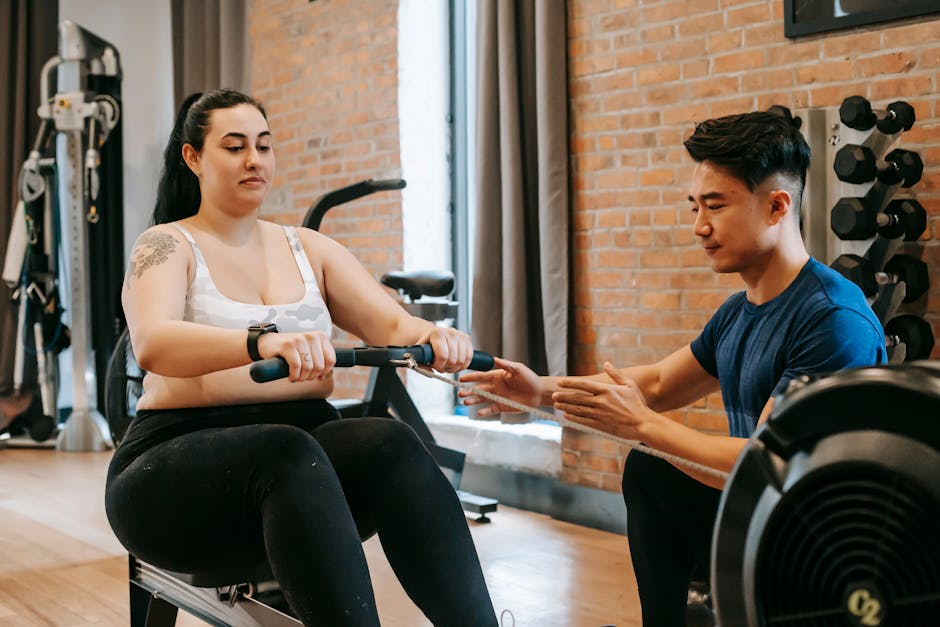
Buy leggings with a waistband that is at least 3 inches wide and sits at or above the natural waist. Anything narrower rolls during exercise. Anything below the natural waist on a fuller figure slides down by the second set. This single specification eliminates roughly 60% of the leggings currently marketed as plus-size activewear — which is genuinely useful to know before you spend anything.
Fabric Specs That Actually Predict Performance
The fabric content printed on the label tells you more than the price tag does. Here is what the main activewear fabric types deliver at plus sizes:
| Fabric Composition | Compression Level | Moisture Wicking | Opacity When Stretched | Best Use Case |
|---|---|---|---|---|
| 80% Nylon / 20% Elastane | High | Excellent | High — stays opaque through squats | Running, HIIT, cycling |
| 88% Polyester / 12% Spandex | Medium | Good | Medium — test the thigh area | Gym sessions, studio classes |
| 95% Cotton / 5% Elastane | Low | Poor — absorbs and holds sweat | High when dry, unpredictable when wet | Casual wear, gentle yoga only |
| Bamboo blend (70%+ bamboo) | Low to medium | Good — naturally antimicrobial | High | Yoga, Pilates, low-impact movement |
| Recycled polyester blends | Medium | Good | Varies — check brand specifications | General training, eco-focused shoppers |
For plus-size bodies, fabric opacity matters more than it does at straight sizes simply because more fabric is being stretched across a larger surface area. An 80% nylon construction will stay opaque through a deep squat. A thin polyester blend in the $22 range often will not. The squat test that gym-goers joke about exists for exactly this reason.
Cotton blends are nearly always the wrong choice for any workout that produces significant sweat. They retain moisture, grow heavy during a session, and lose shape faster than synthetic fabrics. Save cotton-feel materials for restorative yoga or low-intensity stretching where sweat is minimal and movement is slow.
For anyone doing high-impact training, nylon-dominant fabrics also recover their shape between sessions more reliably. A legging that bags out after three washes is not saving you money — it is costing you the same amount twice.
Brand Comparison: Who Delivers and at What Price
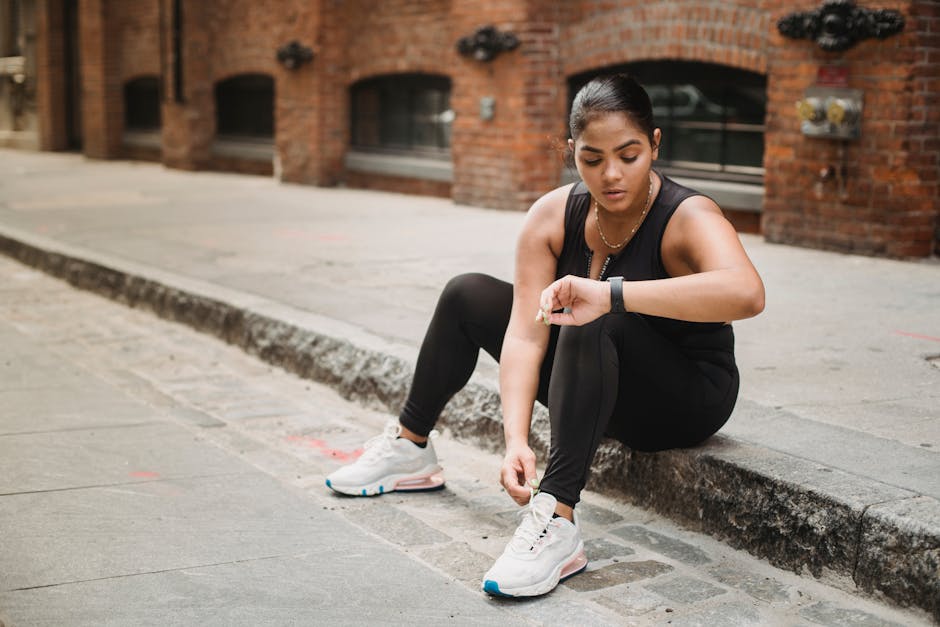
These brands are consistently recommended across plus-size fitness communities. Price ranges reflect leggings specifically, as of 2026.
| Brand | Size Range | Legging Price | Design Approach | Best For |
|---|---|---|---|---|
| Girlfriend Collective | XS to 6X | $68–$88 | Separate curve patterns, recycled nylon fabric | Yoga, everyday wear, low-impact |
| Athleta | XXS to 3X | $79–$99 | Proportional testing with plus-size fit models | All activities, travel training |
| Torrid Sport | 0X to 6X | $45–$65 | Brand built for plus-size from the start | Gym, HIIT, casual workouts |
| Cacique Active (Lane Bryant) | 10/12 to 28/30 | $35–$55 | Wide waistbands, targeted compression zones | Weight training, walking |
| Old Navy Active | XS to 4X | $22–$35 | Graded sizing, but consistent budget option | Low-intensity movement, budget pick |
| Nike Plus | 1X to 3X | $55–$85 | Improving pattern design, strong performance fabrics | Running, cardio training |
| Adidas Women’s Plus | 1X to 4X | $40–$70 | Graded sizing, excellent moisture management | Running, studio classes |
The clearest verdict: for high-intensity training, spend the $68 to $99 on Girlfriend Collective or Athleta. The compression holds through an entire session, the waistband stays in place, and you are not adjusting your clothes between sets. For walking, light yoga, or casual gym use, Old Navy Active at $22 to $35 is entirely sufficient. There is no performance reason to spend $85 on leggings for a daily walk.
Five Mistakes Plus-Size Shoppers Make When Buying Activewear
- Trusting the size label without checking actual measurements. A 2X waistband can measure 38 inches at one brand and 44 inches at another. Always find the specific waistband measurement in centimetres or inches before ordering — not just the letter or number label.
- Evaluating leggings lying flat or on a hanger. Fabric that looks opaque and smooth flat will behave differently on a moving body. For any legging you plan to squat, run, or bend in, look for at least 80% nylon or polyester content to maintain opacity when the fabric is stretched at the thigh.
- Buying low-compression leggings for high-intensity work. Many budget plus-size leggings offer essentially no compression — they are stretchy pants. For running or HIIT, medium-to-high compression (look for higher elastane content and four-way stretch construction) reduces muscle vibration and improves endurance. The difference during a 45-minute session is noticeable.
- Choosing tops based on shoulder fit alone. If the top fits at the shoulder but pulls across the chest during a lateral raise, that is a pattern problem, not a size-up situation. Look for brands that explicitly design wider armholes and additional chest room into their extended sizes rather than just widening the torso.
- Assuming a sports bra that closes is doing its job. For D cup and above, compression-only bras are not adequate for high-impact exercise. Panache Sport ($60–$70, available up to a K cup), Elomi ($55–$65), and Freya Active ($55–$65) all manufacture encapsulation designs — where each cup supports the breast individually — in properly extended cup sizes. The difference between a compression bra and a real encapsulation bra during a run is not subtle.
What to Wear for Specific Workouts
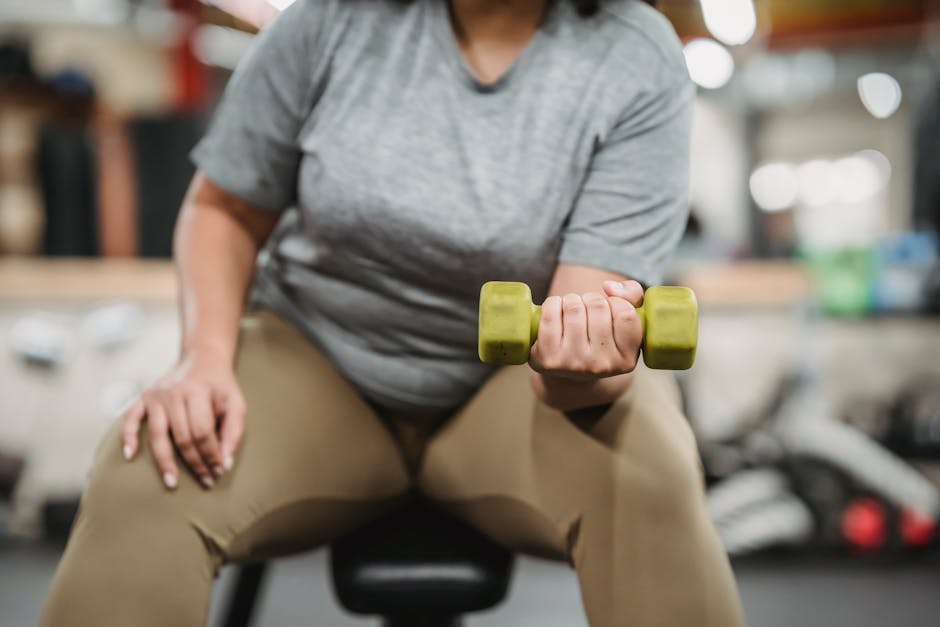
What should I wear for high-impact cardio or running?
Compression and fabric recovery are the two specs that matter most for running or HIIT. The Athleta Elation 7/8 Tight ($89, up to 3X) holds through interval training without rolling at the waist — a common failure point with graded-up alternatives. Nike’s Plus-Size Epic Lux leggings ($75, up to 3X) use Dri-FIT ADV fabric that manages heavy sweat well, though the waistband is on the narrower side at around 2.5 inches; size up if you are between sizes on the chart.
For sports bras during high-impact activity above a D cup, Panache Sport ($65) is the clear benchmark. The underwire encapsulation design provides support through an entire session rather than just passing a fitting room bounce test.
What works best for yoga and low-impact training?
For yoga, you want fabric that moves without resistance more than you need compression. Girlfriend Collective’s Compressive High-Rise Legging ($68, up to 6X) is the most consistently recommended option in this category — enough hold without restricting deep stretches, and the high rise stays in place through inversions. For Pilates and barre, Torrid Sport’s mesh-panel leggings ($50, up to 6X) provide good range of motion with ventilation in the right places.
What about swimming and water workouts?
Chlorine-resistant fabric is non-negotiable for pool workouts. Standard Lycra degrades quickly in chlorinated water. Speedo’s Aqua Fitness line reaches up to a 3X with genuine chlorine resistance and adequate coverage for water aerobics. For outdoor swimming and open-water sessions, look for at least UPF 50 sun protection. ASOS Curve carries swim-legging combinations up to a UK 32 that hold up well for water-based movement classes.
How to Measure Yourself for Plus-Size Activewear
Two measurements trip up most people: they measure over clothing, and they take their hip measurement at the hip bone instead of the actual fullest point. Both errors produce size chart readings that do not match real fit.
The four measurements that matter for activewear
- Natural waist: the narrowest point above the hip bone, measured while relaxed — not pulled in and not after a full meal
- Hip at fullest point: often 7 to 9 inches below the natural waist, not at the hip bone itself — this is where most leggings are actually stressed
- Upper thigh circumference: at the fullest point just below where the crotch seam would sit — this predicts whether fabric will bunch or cut in at the inner thigh
- Torso length: from the shoulder down to the natural waist — this determines whether a top will stay in place or ride up constantly during movement
The difference between your hip and natural waist measurements is the most useful number for predicting waistband problems. A difference of 12 inches or more means you will consistently find waistbands that gap when the hip fit is correct in mid-rise or low-rise designs. Stick to high-rise styles with a rise of at least 10 to 11 inches from crotch seam to waistband.
Reading brand size charts correctly
Size charts from different brands can vary by up to 4 inches for the same label. Before ordering:
- Find the actual waistband measurement in inches or centimetres for your target size — not just the label
- Add 1 to 2 inches to your relaxed waist measurement as the minimum for comfortable movement
- For leggings, if your hip measurement falls between two sizes, size up — tightness at the hip causes the waistband to roll regardless of how wide it is
- Check return policies before ordering multiple sizes: Girlfriend Collective, Athleta, and Lane Bryant offer reasonable windows for sizing exchanges; Nike and Adidas are more restrictive on worn activewear returns
The single highest-impact purchase in plus-size activewear — the one that changes high-impact exercise more than anything else — is a correctly fitted encapsulation sports bra from a brand like Panache or Freya that actually manufactures extended cup sizes with real structural support.