
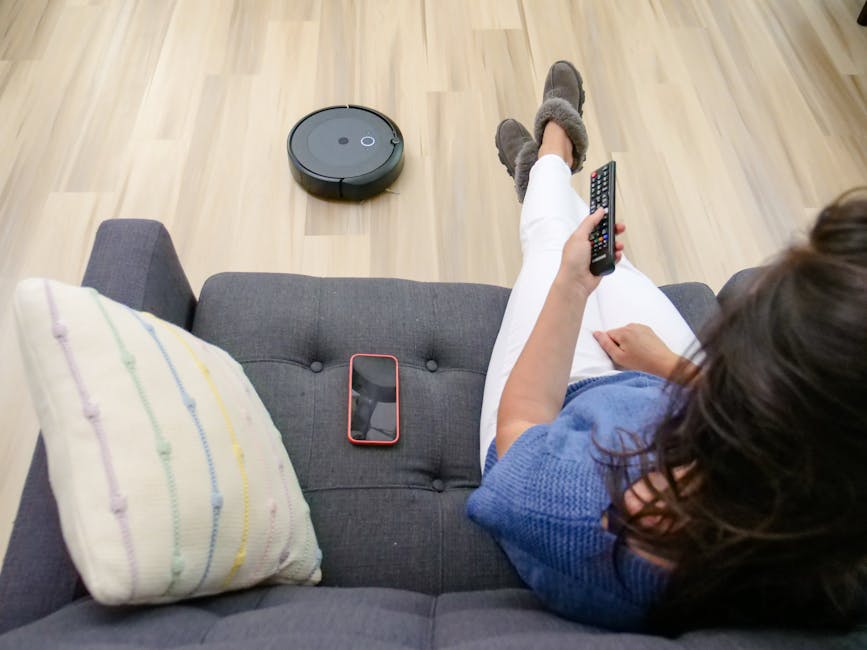
Many people still hold onto a common misconception: robot vacuums are glorified dust collectors, only suitable for light surface cleaning. This couldn’t be further from the truth. Modern robot vacuums are sophisticated cleaning machines, capable of far more than just picking up stray crumbs. They integrate advanced navigation, powerful suction, and intelligent mapping to deliver a genuinely deep clean across various floor types. Think of them as essential home appliances, not just novelty gadgets.
The Truth About Robot Vacuum Performance
Forget the image of a randomly bumping disc. Today’s robot vacuums tackle dirt, dust, and pet hair with precision. They use complex sensor arrays and mapping algorithms to navigate your home efficiently, ensuring no spot is missed. This isn’t just about convenience; it’s about achieving a consistent level of cleanliness you might struggle to maintain manually, especially with busy schedules.
Dispelling the “Surface Clean Only” Myth
The idea that robot vacuums only skim the surface is outdated. High-end models feature strong suction power, often exceeding 5000Pa, which is comparable to many full-sized upright vacuums. They pick up fine dust from hard floors and extract embedded dirt from carpets. For instance, the Tapo RV30 Max Plus series boasts an impressive 5300Pa suction power. This isn’t just for pet hair; it handles everything from spilled cereal to tracked-in soil. Many also include mopping functions, making them true two-in-one cleaning solutions. The RV30 Max Plus models are designed to vacuum and mop simultaneously, meaning your floors don’t just look clean, they feel clean.
Key Technologies That Make a Difference
What makes these machines so effective? It comes down to a few core technologies. First, LiDAR navigation is crucial. This laser-based system maps your home with incredible accuracy, allowing the robot to plan the most efficient cleaning path. It avoids obstacles, identifies room boundaries, and even works in low light. The Tapo RV30 Max Plus models use a dual-navigation system combining LiDAR and Inertial Measurement Units (IMU) for superior pathfinding and obstacle avoidance. Second, intelligent dirt detection sensors help the robot identify areas that need more attention. If it encounters a particularly dirty spot, it might make multiple passes or increase suction power. Third, automatic dust emptying stations, like the 3L station found with the Tapo RV30 Max Plus models, mean you don’t have to interact with the dustbin for weeks, sometimes even months, depending on usage. This is a for allergy sufferers and anyone who dislikes frequent dustbin emptying.
Choosing the Right Robot Vacuum for Your Home
Selecting a robot vacuum means looking at specific features to match your lifestyle. You need to consider suction power, navigation capabilities, battery life, and smart features like app control. These factors directly impact how well the robot performs in your unique home environment.
Feature Comparison: Tapo RV30 Max Plus Models
Both Tapo RV30 Max Plus models offer robust cleaning capabilities, but there are subtle differences in their naming that often confuse buyers. The core features are largely identical, indicating a consistent, high-performance base model. Let’s break down what you get:
| Feature | Tapo RV30 Max Plus White | Tapo RV30 Max Plus |
|---|---|---|
| Suction Power | 5300Pa | 5300Pa |
| Navigation | Dual LiDAR+IMU | Dual LiDAR+IMU |
| Dustbin Capacity (Robot) | 350ml | 350ml |
| Water Tank Capacity | 300ml | 300ml |
| Auto-Empty Station | Yes (3L dustbag) | Yes (3L dustbag) |
| Battery Life | Up to 300 minutes | Up to 300 minutes |
| Control | APP & AI (Alexa & Google Assistant compatible) | APP & Alexa & Google Assistant |
| Price | $222.10 | $220.91 |
| Rating | 4.2/5 (13751 reviews) | 4.2/5 (13839 reviews) |
As you can see, the specifications for the Tapo RV30 Max Plus White Robot Aspirapolvere Lavapavimenti and the standard Tapo RV30 Max Plus Robot Aspirapolvere Lavapavimenti are nearly identical. The ‘White’ variant typically refers to a specific color option within the same product line, often indicated by a slight price difference or specific retail channel. Both provide advanced features, high suction, and autonomous cleaning.
Understanding LiDAR Navigation and Suction Power
LiDAR navigation is like having a tiny, precise surveyor mapping your home in real-time. It creates detailed floor plans, allowing the robot to clean in neat, parallel lines instead of random patterns. This means faster cleaning, better coverage, and fewer missed spots. It also creates accurate virtual walls and no-go zones through the app, which is essential for protecting delicate items or keeping the robot out of specific areas like pet bowls. A robot with LiDAR can also save multiple maps, perfect for multi-story homes.
Suction power, measured in Pascals (Pa), directly impacts how much dirt the robot can pick up. While 2000Pa is generally considered good for hard floors, 5300Pa, as found in the Tapo RV30 Max Plus, ensures excellent performance on carpets and rugs, removing fine dust, pet dander, and larger debris effectively. This high suction means less manual vacuuming for you and cleaner air in your home.
Setting Up Your Smart Cleaning Routine
Getting your robot vacuum ready for its first mission is straightforward. Modern robots are designed for intuitive setup, often guided by a smartphone app. You don’t need to be a tech expert to get started.
-
Initial Setup and App Connection
First, unbox your Tapo RV30 Max Plus and place the charging dock in an open area with good Wi-Fi signal. Plug it in. Download the Tapo app (free on iOS and Android). Create an account, then tap the ‘+’ icon to add a new device. Follow the on-screen prompts to connect your robot vacuum to your home Wi-Fi network. This usually involves pairing the robot via Bluetooth initially, then providing your Wi-Fi credentials. The entire process takes about 5-10 minutes. Ensure the robot is fully charged before its first mapping run.
-
Mapping and Defining Cleaning Zones
Once connected, launch the robot’s first cleaning cycle. It will begin to explore your home, creating an accurate map using its LiDAR sensors. Make sure to clear any small obstacles like loose cables or toys to help it create a precise map. Once the map is complete, usually after one or two full cleaning runs, you can access it in the Tapo app. From here, you can divide your home into specific rooms, set no-go zones for areas you want the robot to avoid (like pet feeding stations or delicate rug areas), and establish virtual walls to block off entire sections. You can also define specific areas for spot cleaning, like under the dining table after a meal. This customization allows the robot to clean exactly where and how you want it to, optimizing its efficiency and protecting your belongings.
-
Scheduling and Automation
The real power of a smart robot vacuum lies in its scheduling capabilities. In the Tapo app, you can set daily or weekly cleaning schedules for specific rooms or your entire home. For example, you might schedule the kitchen to be vacuumed and mopped every evening after dinner, and the living room three times a week. You can also integrate it with voice assistants like Alexa or Google Assistant. Say, “Alexa, tell the robot to clean the living room,” and it will get to work. This level of automation means your floors stay consistently clean without you lifting a finger, freeing up significant time in your schedule.
Integrating Smart Cleaning into a Busy Lifestyle
Beyond simply clean floors, a robot vacuum offers substantial lifestyle benefits. It’s not just a convenience; it’s a tool that can help you reclaim time and reduce daily stress. Imagine coming home to spotless floors every day, without having spent any energy on the task.
Reclaiming Your Time for Fitness and Self-Care
The average person spends several hours a week cleaning their home. By automating daily floor cleaning with a robot vacuum, you gain back valuable minutes and hours. What could you do with that extra time? You could dedicate it to your fitness routine – perhaps an extra yoga session, a longer run, or strength training. Instead of vacuuming, you could be enjoying a mindful meditation or indulging in a beauty treatment. This shift allows for a more active and self-focused lifestyle. It supports your wellness goals by removing a tedious chore, letting you prioritize activities that genuinely rejuvenate you. The mental load of daily chores often goes unnoticed until it’s lifted, and a robot vacuum does just that for floor care.
The Unexpected Mental Health Benefits of a Tidy Space
A clean environment has a profound impact on mental well-being. Studies often link clutter and disarray to increased stress and anxiety. When your home is consistently tidy, it creates a sense of calm and order. Walking into a clean space reduces visual noise, allowing your mind to relax. A robot vacuum contributes to this by maintaining that baseline level of cleanliness daily, even when you’re not home. You avoid the overwhelming feeling of a messy house accumulating throughout the week. This consistent tidiness fosters a more peaceful living environment, reduces decision fatigue related to cleaning, and ultimately supports better overall mental health. It’s a subtle but powerful change that improves your daily living experience.
Maximizing Your Robot Vacuum’s Lifespan
Like any appliance, a robot vacuum performs best and lasts longest with proper care. These aren’t set-it-and-forget-it machines forever, but routine maintenance is minimal and straightforward. A few simple steps ensure your investment continues to deliver sparkling clean floors for years.
How Often Should I Empty the Dustbin?
For models like the Tapo RV30 Max Plus that feature an auto-empty station, you generally only need to empty the main station’s 3L dustbag every 30-60 days, depending on your home’s size and how much debris it collects. The robot’s internal dustbin, however, fills more quickly. While the auto-empty feature handles this by transferring dust to the larger bag, it’s a good practice to visually check the robot’s onboard dustbin and filter weekly. If you notice a significant amount of debris or a drop in suction power, a quick manual empty might be beneficial. For homes with pets, check more frequently.
What Maintenance Does the Brushes and Filters Need?
The main roller brush and side brushes are critical for effective cleaning. Hair, especially pet hair, can get tangled around the main brush. Aim to remove and clean the main brush weekly. Most robot vacuums come with a small cleaning tool that includes a blade to cut through tangled hair. The side brushes can also collect debris and occasionally need to be wiped clean or have hair removed. Replace side brushes every 3-6 months, or sooner if they show signs of wear, like bent bristles. The high-efficiency filter, which captures fine dust and allergens, should be tapped clean weekly to remove loose debris. Replace this filter every 1-3 months to maintain optimal suction and air quality. These small regular tasks prevent performance degradation and costly repairs.
How Can I Keep the Sensors Clean for Optimal Navigation?
The robot’s sensors are its eyes and ears. Dirty sensors can lead to poor navigation, missed spots, or the robot getting stuck. Using a dry microfiber cloth, gently wipe all visible sensors, including the cliff sensors (usually on the bottom), wall sensors (on the sides), and the LiDAR turret sensor (on top). Do this at least once a month, or more frequently if you notice the robot’s navigation becoming erratic. A clean charging contacts (metal strips on the robot and dock) ensures proper charging. Regularly wiping these areas helps the robot maintain its precise mapping and obstacle avoidance capabilities, ensuring it continues to clean efficiently.
The Verdict: Our Top Pick for Automated Home Care
When it comes to automating your home cleaning, the Tapo RV30 Max Plus series stands out as an exceptional value. It delivers advanced features typically found in much more expensive models.
Specifically, the Tapo RV30 Max Plus White Robot Aspirapolvere Lavapavimenti is our top recommendation. For just $222.10, you get powerful 5300Pa suction, precise LiDAR+IMU navigation for thorough cleaning, and a convenient 3L auto-empty station. Its ability to vacuum and mop simultaneously means your floors receive a complete treatment in one go. With high user ratings and robust features, it’s an intelligent investment that genuinely frees up your time for the things that matter most in your life, whether that’s fitness, self-care, or simply enjoying a tidier home.