You know the pair: jeans that look good with a white shirt, survive a rushed morning, and still feel right five years later. Finding that pair takes more than choosing a famous label. The rise, fabric, wash, cut, stitching, and care routine all decide how long denim stays useful. These six style rules will help you spend on jeans that earn their place in your wardrobe.
Choose the Straight Leg Before Chasing New Shapes
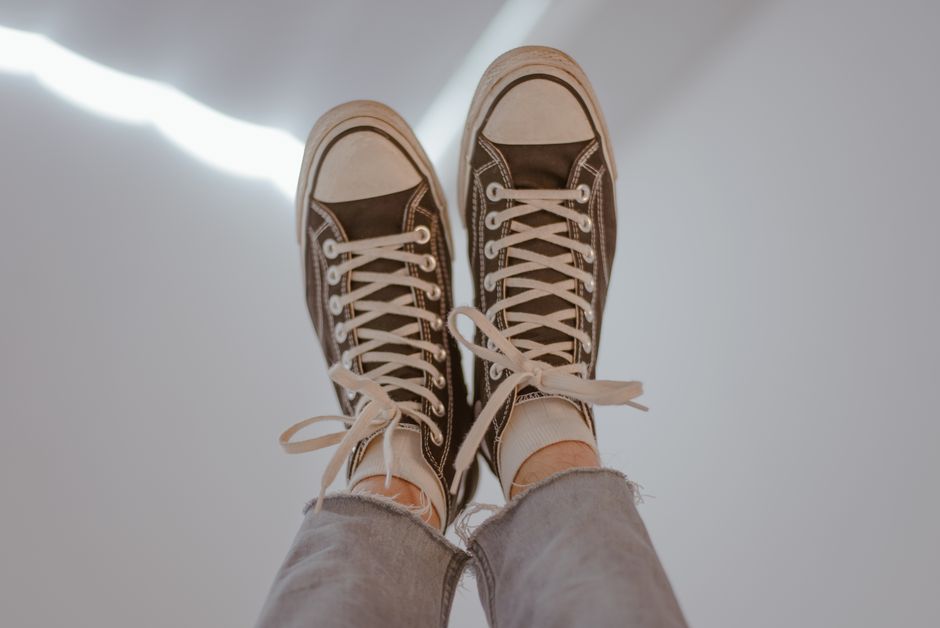
My clear pick is a medium- or dark-wash straight-leg jean with a mid-rise and a clean hem. It gives you the widest styling range and avoids the quick obsolescence that often follows extreme cuts. A straight leg works with trainers, loafers, ankle boots, and a short jacket. It also balances both fitted and oversized tops.
Why the cut stays useful
A straight leg keeps a steady width from the knee to the ankle, so the silhouette looks intentional without demanding a particular shoe. A 28- to 30-inch inseam suits many outfits, while a longer inseam creates a small break over boots. Pick the length that matches your most-used footwear rather than buying a dramatic puddle hem for one season.
Which wash earns the most wears
Dark indigo looks polished enough for casual office settings and dinners. Mid-blue feels easier on weekends. Avoid heavy whiskering, large rips, novelty coatings, and contrast patches when your goal is longevity. Those details can look exciting in a fitting room, but they limit outfit combinations later. The best first pair is plain, comfortable, and slightly boring in the best possible way.
Fabric and Construction Decide How Denim Ages
Timeless denim exists because cotton twill solves a simple clothing problem: it needs to handle friction while still becoming more comfortable with wear. A good pair should soften at the waist and behind the knees, not collapse at the seat or split at the pockets. The fabric should support your movement without losing its shape after one afternoon.
Start with the cotton percentage
Rigid denim made from 100% cotton offers the strongest aging story and develops personal fades, but it can feel stiff during the first few wears. One to two percent elastane adds comfort, especially in slim cuts, yet too much stretch can create sagging knees and a loose waistband. For everyday jeans, choose 98% cotton and 2% elastane if comfort matters; choose 100% cotton if long-term shape and fading matter more.
Inspect the stress points
Turn the jeans inside out. Look for dense stitching around the belt loops, fly, back pockets, and crotch. Bar tacks at pocket corners reduce tearing. The hem should have even stitches with no loose threads. A heavier fabric around 12 to 14 ounces usually feels more substantial, but weight alone does not prove quality. Poor stitching can ruin heavy denim faster than lighter fabric.
Buy for movement, not the label size
Try sitting, walking, and climbing stairs. The waistband should stay flat without cutting in, and the fabric should not pull into horizontal lines across the hips. The strongest choice is the smallest size that lets you move freely without stretching the pockets open. Denim relaxes slightly with wear, so a loose fitting-room pair often becomes too loose at home.
Six Smart Checks Before Buying a Pair
Use this list in a changing room or while checking an online size chart. It filters out attractive jeans that will spend most of their life unworn.
- Measure a pair you already love. Lay it flat and compare the waist, front rise, thigh, knee, hem, and inseam with the new garment. The number on the tag is less useful than those measurements.
- Check the fabric blend. Levi’s 501 Original Jeans cost about $84.95 at full list price and use a rigid, no-stretch construction in many washes. They are the best choice for classic fades and a firm feel.
- Match the rise to your tops. A mid-rise works with tucked shirts and short sweaters. A high-rise such as the Everlane Way-High Jean, listed around $148 before sale pricing, suits cropped jackets and longer legs.
- Study the hem. A clean 28-inch inseam looks sharper with loafers, while a 30- or 32-inch inseam leaves room for boots. Do not buy a length that needs constant folding unless cuffs are part of your normal style.
- Test the pockets. Sit down with your phone and keys inside. If the pocket opening gaps or the back pockets sit far below the seat, the jeans will feel awkward in daily use. Comfort beats a flattering mirror pose.
Which Timeless Jeans Fit Your Actual Wardrobe?

There is no single best cut for every closet, but there is a best first choice for each common use. The table below compares well-known styles using typical US list prices seen in 2026. Sale prices change, so judge the construction and fit rather than waiting for one exact number.
| Style | Typical price | Best use | Main tradeoff |
|---|---|---|---|
| Levi’s 501 Original | $84.95 | Classic daily outfits | Rigid denim needs a break-in period |
| Levi’s 505 Regular | $74.95 | Easy straight fit | Less shaped through the waist |
| Levi’s 511 Slim | $74.95 | Clean casual dressing | Can feel narrow at the thigh |
| Levi’s 541 Athletic Taper | $99.00 | Strong thighs and a neat ankle | More casual silhouette |
| Everlane Way-High Jean | $148 | High-rise outfits | Less versatile with long tops |
The Levi’s 505 is the safest general winner if you want room, a straight leg, and an easy price. Choose the 501 for character and firm cotton. Choose the 541 only if standard jeans pinch at the thighs. The Everlane pair wins for a high-rise wardrobe, but it is a poor buy if you rarely wear tucked or cropped tops.
Questions That Prevent Expensive Denim Mistakes
Should timeless denim always be dark?
No. Dark indigo is the most formal and flexible first purchase, but clean mid-blue denim often gets more weekend wear. The better rule is to avoid extreme fading and decoration until you own one dependable plain pair. If your wardrobe contains mostly black, grey, and navy, mid-blue may add more useful contrast than another dark trouser.
Should you buy raw denim?
Buy raw denim only if you enjoy a stiff break-in period and want distinctive fades. It needs patience, careful washing, and tolerance for temporary discomfort. Do not buy it for a soft, ready-to-wear feel. A washed 100% cotton pair gives you much of the durability with less work, so it is the better choice for most shoppers.
When should you skip stretch jeans?
Skip high-stretch denim if your main goal is a sharp shape after years of wear. Stretch helps with movement, but excessive elastane can cause knees and the waistband to lose their form. For travel, commuting, or long days on your feet, a small stretch percentage wins. For a permanent wardrobe anchor, choose rigid or low-stretch cotton.
The Shortlist for a Wardrobe That Lasts

Build from one dependable pair instead of buying six fashionable cuts at once. Start with the silhouette that matches your shoes and the rise that works with your shirts. Then add a second wash only after the first pair proves its value through repeated wear.
| If you want | Choose | Why |
|---|---|---|
| One pair for most outfits | Levi’s 505 Regular | Straight, comfortable, and easy to dress up |
| Traditional denim character | Levi’s 501 Original | Rigid cotton develops personal fades |
| More thigh room | Levi’s 541 Athletic Taper | Relaxed through the seat with a neater ankle |
| High-rise styling | Everlane Way-High Jean | Works with tucked shirts and short jackets |
The strongest timeless-denim purchase is the pair you can style at least three ways each week. For most wardrobes, that means a plain straight leg in durable cotton, bought in the correct inseam and washed with care. Trends can fill the gaps later; the reliable pair should come first.