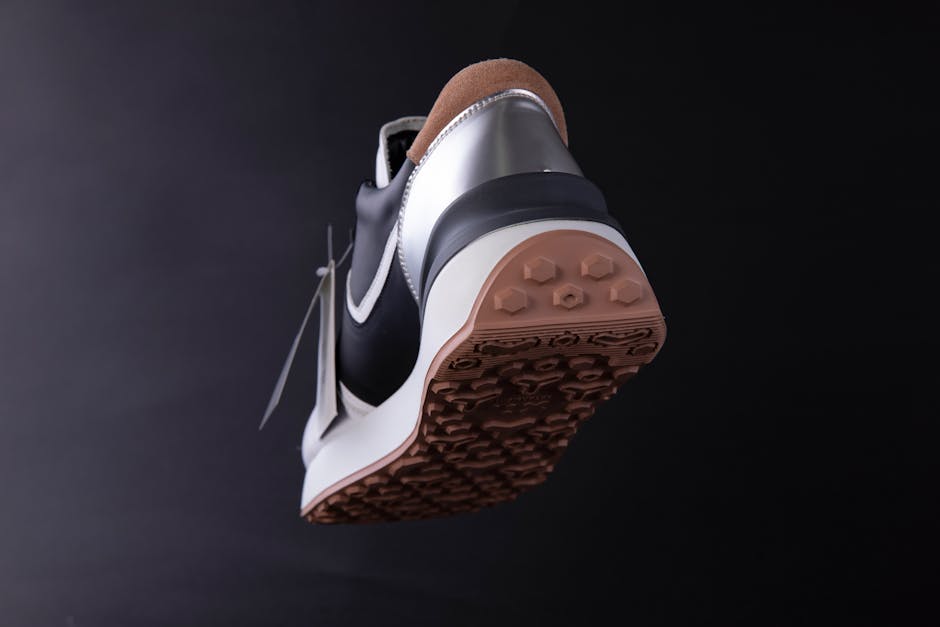
The landscape of performance footwear has undergone a radical transformation over the last decade, shifting from minimalist structures to the high-stack, energy-returning silhouettes that dominate both marathon start lines and urban street style. Selecting the right running shoe is no longer a matter of simply picking a colorway that complements your wardrobe; it requires an understanding of midsole chemistry, upper breathability, and the specific biomechanical needs of your gait. As running culture continues to merge with high fashion, the brands leading the charge are those that balance aesthetic appeal with legitimate technical innovation. This analysis explores the current market leaders, categorizing them by their intended use case and the specific engineering that sets them apart from the competition.
Which daily trainers offer the best balance of durability and comfort?
Daily trainers are the workhorses of any running rotation. They are designed to handle the bulk of your weekly mileage, which means they must prioritize durability and consistent feel over the aggressive, short-lived speed of a racing shoe. In the current market, two models stand out for their ability to provide a reliable ride while maintaining a design language that works effortlessly for casual wear.
Nike Pegasus 41
The Nike Pegasus has reached its 41st iteration, a testament to its status as a staple in the running community. This year’s model introduces ReactX foam, which Nike claims provides 13% more energy return than the previous React foam while significantly reducing the carbon footprint of the manufacturing process. The shoe maintains its signature 10mm drop and dual Zoom Air units in the forefoot and heel. Priced at approximately $140, it remains a mid-tier option that offers exceptional value. Pro: Extreme versatility for both fast and slow paces. Con: The upper can feel slightly warm during high-temperature summer runs due to the multi-layered engineered mesh.
Brooks Ghost 16
For runners who prefer a more traditional feel without the aggressive rocker geometry found in many modern shoes, the Brooks Ghost 16 is a top contender. It utilizes DNA Loft v3, a nitrogen-infused foam that offers a soft landing without feeling mushy. At roughly $140, it competes directly with the Pegasus. Pro: Exceptional out-of-the-box comfort and a secure heel lockdown. Con: The 12mm heel-to-toe drop may feel too steep for runners who naturally land on their midfoot or forefoot.
| Model | Weight (Men’s 9) | Drop | Best For |
|---|---|---|---|
| Nike Pegasus 41 | 10.4 oz | 10mm | Versatile daily miles |
| Brooks Ghost 16 | 9.5 oz | 12mm | Neutral road running |
What are the best carbon-plated shoes for marathon racing?

The advent of carbon-fiber plates and supercritical foams has redefined what is possible in distance running. These shoes, often referred to as “super shoes,” are engineered to maximize running economy by reducing energy loss at the toe-off phase. While they carry a premium price tag and a shorter lifespan, their performance benefits are backed by peer-reviewed sports science. For those chasing a personal best, the selection process focuses on energy return and weight reduction.
Adidas Adizero Adios Pro 3
Adidas has taken a unique approach to the carbon-plate trend by using EnergyRods 2.0—carbon-infused rods that mimic the metatarsal bones of the foot. This allows for a more natural transition than a single stiff plate. The Lightstrike Pro foam is resilient and maintains its properties over long distances. Retailing for around $250, these are a serious investment. Pro: Outstanding stability for a high-stack racing shoe. Con: The Continental rubber outsole, while grippy, adds a slight weight penalty compared to some competitors.
Nike Alphafly 3
The Alphafly 3 is perhaps the most recognizable racing shoe in the world, frequently seen on podiums. It features a continuous bottom that connects the heel and forefoot, improving the transition through the gait cycle. The combination of ZoomX foam, a full-length carbon Flyplate, and dual Zoom Air units creates a trampoline-like effect. It typically retails for $285. Pro: Unmatched energy return and propulsion. Con: The aggressive arch shape can cause discomfort for runners with flatter feet or lower arches.
The efficiency gains from carbon-plated footwear are most pronounced at faster paces; runners moving slower than an 8:30 minute-per-mile pace may find the stiffness of these shoes more fatiguing than beneficial over long durations.
Which maximum cushion shoes are best for recovery and long runs?
Maximalist shoes have moved from a niche category to a mainstream preference. By increasing the stack height—the amount of material between your foot and the ground—these shoes aim to reduce the impact forces transmitted through the joints. This is particularly beneficial for recovery runs, where the goal is to keep the heart rate low and minimize muscular damage. The fashion industry has also embraced this category, with chunky midsoles becoming a core element of modern aesthetic trends.
New Balance Fresh Foam X 1080 v13
New Balance has refined the 1080 to be one of the softest shoes on the market. The Fresh Foam X compound is engineered with varying densities to provide support where needed while remaining incredibly plush under the heel. It retails for approximately $165. Pro: The Hypoknit upper provides a sock-like fit that accommodates various foot shapes. Con: The extreme softness can feel “energy-sucking” if you try to pick up the pace for interval training.
ASICS Novablast 4
The Novablast 4 has gained a cult following for its “trampoline” effect. It uses FF Blast Plus Eco cushioning and a unique outsole geometry that encourages a forward-rolling motion. At $140, it is one of the best-priced max-cushion options available. Pro: Very lightweight for its size and highly energetic. Con: The high stack height and narrow heel can make it feel unstable on sharp corners or uneven pavement.
How do stability shoes correct overpronation without sacrificing comfort?
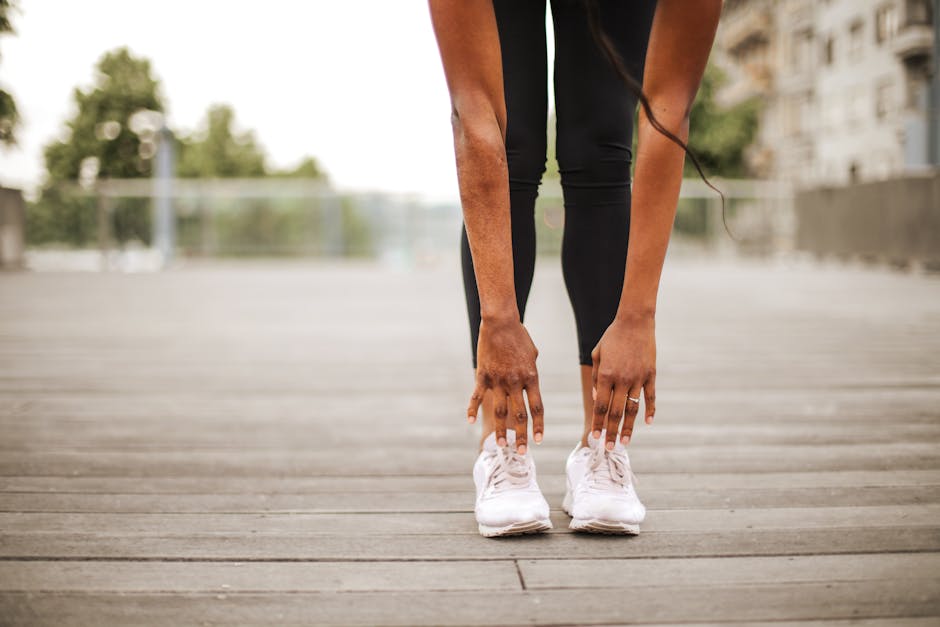
For many years, stability shoes were synonymous with heavy, stiff “medial posts”—hard plastic inserts that physically blocked the foot from rolling inward. Modern shoe design has moved toward a more holistic approach called “guidance.” Instead of fighting the foot, these shoes use wider platforms, flared midsoles, and supportive upper structures to keep the runner in their natural path of motion. This shift has made stability shoes significantly more comfortable and lighter than their predecessors.
ASICS Gel-Kayano 31
The Kayano is the gold standard for stability. The 31st version uses the 4D Guidance System, which employs a softer foam piece under the arch that returns to its original shape faster, providing support only when the runner’s form begins to break down. It retails for about $165. Pro: Premium materials and a very smooth transition. Con: It is one of the heavier shoes in the ASICS lineup, which may be noticeable on longer efforts.
Saucony Guide 17
Saucony has completely redesigned the Guide 17, moving away from traditional stability hardware in favor of a “Center Path” technology. This involves higher sidewalls and a broader base to center the foot. It retails for approximately $140. Pro: Feels much more like a neutral shoe than a traditional stability shoe. Con: The aesthetic is quite utilitarian, which may not appeal to those looking for a lifestyle crossover shoe.
- Stability: Look for wider outsoles and “J-Frame” or “Guidance” technologies.
- Neutral: Best for those with high arches or a straight gait cycle.
- Cushioning: Choose based on whether you prefer a “firm and responsive” or “soft and plush” feel.
What are the top-performing trail shoes for technical terrain?
Trail running requires a different set of features: aggressive lug patterns for grip, rock plates for protection, and durable uppers that can withstand abrasion from roots and stones. However, modern trail shoes are also incorporating the high-performance foams found in road shoes, making them faster and more comfortable for long distances in the wilderness. The crossover between trail gear and “gorpcore” fashion has made these models particularly popular in urban environments as well.
Hoka Speedgoat 6
The Speedgoat is widely considered the king of the trails. It features a Vibram Megagrip outsole with 5mm traction lugs that hold onto both wet and dry surfaces. The latest version has a more breathable woven textile upper and a lighter midsole compound. It retails for $155. Pro: Incredible grip and confidence on technical descents. Con: The fit is notoriously narrow in the midfoot, which may require opting for the “wide” version for many runners.
Nike Zegama 2
Nike’s trail line has seen a major upgrade with the Zegama 2. It incorporates a full-length ZoomX foam core encased in a carrier foam for protection, marking the first time Nike’s premier racing foam has been used extensively in a trail shoe. It also features a Vibram outsole, addressing previous complaints about grip. It retails for $180. Pro: Exceptional energy return for a trail shoe. Con: The stack height is high, which can feel a bit disconnected from the ground on very technical, rocky trails.
How to choose the correct running shoe based on your specific needs?
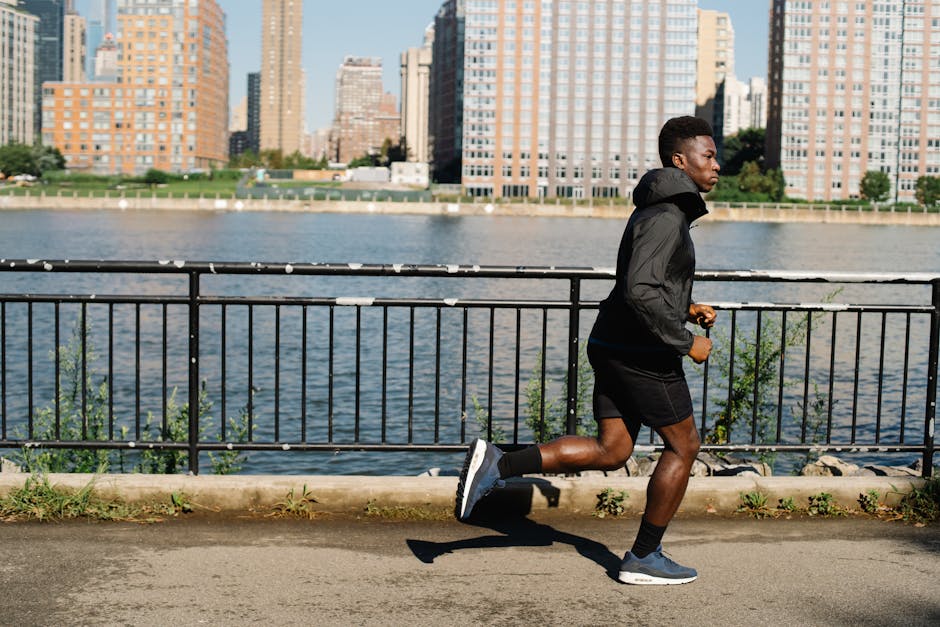
The abundance of choice in the running shoe market can lead to analysis paralysis. To make an informed decision, you must look past the marketing jargon and focus on three key pillars: fit, function, and feel. A shoe that works for a professional athlete may be entirely inappropriate for a beginner, and a shoe that feels great in the store may cause blisters after five miles on the road. Understanding your own biology is the first step toward a successful purchase.
Determining your gait and foot shape
While the “wet foot test” (stepping on cardboard with wet feet to see your arch shape) is a common starting point, it doesn’t tell the whole story of how your foot moves under load. A better approach is to look at the wear patterns on your old shoes. If the wear is concentrated on the inner edge, you likely overpronate and may benefit from a stability shoe. If the wear is on the outer edge, you may supinate and need a neutral shoe with plenty of flexibility. Additionally, always measure your feet in the afternoon, as they tend to swell throughout the day. You should aim for a thumb’s width of space between your longest toe and the end of the shoe to allow for foot splay during impact.
The importance of shoe rotation
Research suggests that rotating between different models of running shoes can reduce the risk of injury. By slightly changing the stress placed on your muscles and tendons with each run, you prevent the repetitive strain that comes from using the exact same geometry every day. A balanced rotation might include a daily trainer for most miles, a cushioned shoe for recovery days, and a lightweight, responsive shoe for speed work or racing. This approach also extends the life of each shoe, as the foam has more time to decompress between sessions. When calculating the cost of a running shoe, consider its expected lifespan—most daily trainers last between 300 and 500 miles, while racing shoes may lose their “pop” after just 150 miles.
The intersection of technology and design has made 2024 a landmark year for running footwear. Whether you are motivated by the data-driven performance of carbon plates or the comfort of maximalist cushioning, the current offerings from brands like Nike, New Balance, and ASICS provide options that do not force a compromise between function and fashion. By selecting a shoe that aligns with your specific biomechanics and training goals, you ensure a more sustainable and enjoyable running experience.