The historical trajectory of the flat shoe is a study in the democratization of high-end ergonomics. For decades, the technical evolution of the flat was stagnant, often dismissed as a secondary choice—a literal “backup” shoe tucked into a handbag for when heels became unbearable. However, shifts in manufacturing and a broader cultural move toward functional luxury have elevated the flat to a primary wardrobe staple. In the context of summer, the requirements for a successful flat are demanding. The shoe must manage heat dissipation, provide enough structural integrity to support the foot during increased seasonal activity, and maintain an aesthetic that complements lighter fabrics like linen and silk. Identifying the best summer flats requires looking past surface-level trends and examining the engineering of the sole, the porosity of the upper materials, and the long-term durability of the construction methods used. As consumer habits shift toward “quiet luxury” and sustainable longevity, the technical specs of a shoe—its breathability, arch support, and repairability—have become as important as its silhouette.
Material Science: Why Breathability Dictates Summer Footwear Success
When temperatures rise, the microclimate inside a shoe becomes the primary factor in wearer comfort. The human foot contains approximately 250,000 sweat glands; in a closed-toe environment during July or August, the accumulation of moisture can lead to friction, blistering, and material degradation. Therefore, the choice of material is not merely an aesthetic decision but a functional one. Natural fibers and specific leather preparations offer the highest rates of vapor permeability. Unlined suede, for instance, provides a softness that adapts to foot swelling—a common physiological response to heat—while allowing air to circulate more freely than corrected-grain leathers that have been heavily coated in plastic polymers.
Furthermore, the tanning process plays a vital role in how a shoe performs in the heat. Vegetable-tanned leathers, which use natural tannins found in bark and leaves, tend to be more breathable and better at moisture absorption than chrome-tanned alternatives. While vegetable-tanned leather may have a longer “break-in” period, its ability to develop a patina and adapt to the unique shape of the wearer’s foot makes it a superior long-term investment for summer months. Retailers found on Awin-affiliated platforms, such as John Lewis and Anthropologie, frequently stock brands that prioritize these traditional tanning methods, offering a blend of heritage quality and modern style.
The Rise of Technical Knits and Mesh
One of the most notable entries into the summer market is the recycled polyester knit, popularized by brands like Rothy’s. These shoes are engineered using 3D knitting technology, which reduces waste and allows for targeted zones of breathability. The Rothy’s The Point (approx. £150) is a prime example. These shoes are constructed from recycled water bottles, spun into a fine thread that is then “printed” into the shape of the shoe. This process eliminates the seams that often cause irritation in the heat.
- Pros: Machine-washable, zero break-in period, highly sustainable, lightweight for travel.
- Cons: Lacks lateral support for overpronators, thin sole provides minimal shock absorption on concrete, price point is high for a synthetic material.
The primary advantage of this construction is its hygiene. In a sockless summer environment, bacteria buildup is inevitable. Being able to cycle these shoes through a cold wash ensures longevity that traditional leather flats struggle to match. However, it is important to note that the lack of structural rigidity means these are best suited for office environments or light walking rather than full days of urban exploration.
Leather Tanning and Summer Comfort
Not all leather is created equal for the warmer months. Nappa leather, known for its unsanded grain and minimal finish, remains a top-tier choice for breathability. When evaluating a leather flat, such as the Marks & Spencer Leather Bow Ballet Flats (approx. £45), it is essential to check the lining. A leather-lined shoe will always outperform a synthetic-lined one in terms of moisture-wicking. The M&S option is particularly noted for its “Insolia Flex” technology, which is a patented internal system that ensures the foot is correctly placed, improving natural movement and stability.
While the M&S price point is highly accessible, the trade-off is often in the outsole. Most high-street flats at this price use a resin or rubber-mix sole that is glued (cemented) to the upper. While this makes the shoe flexible from day one, it limits the shoe’s lifespan. For those who walk significant distances daily, these may require a cobbler to add a “half-sole” of more durable rubber to prevent the leather toe from scuffing against the pavement.
A common misconception is that canvas is the coolest material for summer. While lightweight, tightly woven canvas can actually trap heat more than a high-quality, perforated leather. Look for open-weave canvases or linen-blends for maximum airflow.
Professional Silhouettes: Balancing Office Etiquette with Heat Management
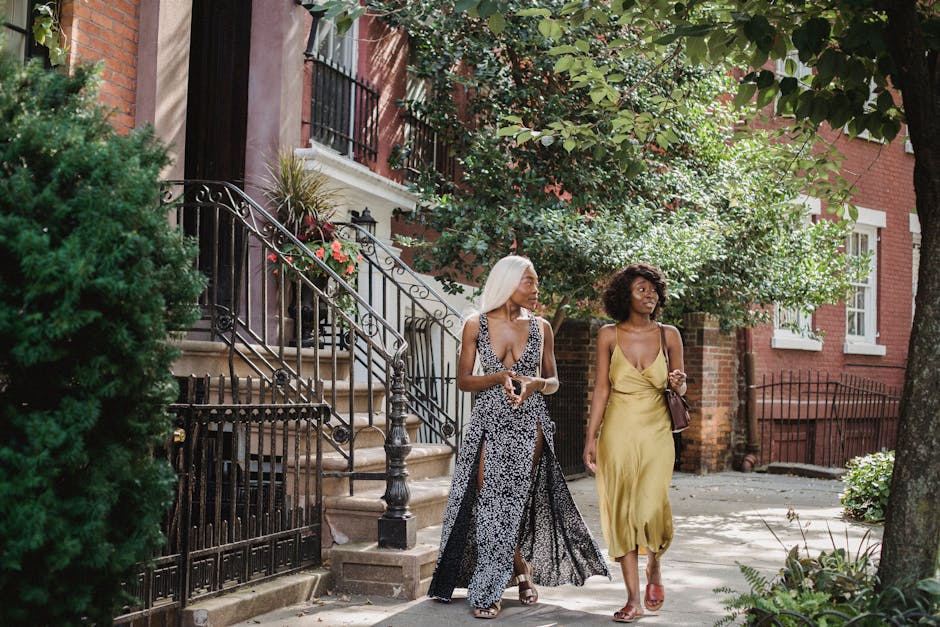
Maintaining a professional appearance during a heatwave presents a unique set of challenges. The goal is to find a silhouette that offers enough coverage to remain formal while utilizing design elements that prevent overheating. The pointed-toe flat and the refined loafer have emerged as the standard-bearers for the summer workplace. These styles provide a structured look that mimics the authority of a heel without the physical strain. The key is in the “vamp”—the part of the shoe that covers the top of the foot. A lower vamp allows for more skin exposure and cooling, whereas a high vamp offers more stability and a more conservative appearance.
The Modern Slingback
Slingbacks are perhaps the most logical compromise for a professional summer environment. By removing the back of the shoe, you increase airflow and eliminate the risk of heel blisters, which are frequent when feet expand in the heat. The Boden Snaffle Slingback Flats (approx. £110) utilize a classic pointed toe and a gold hardware detail that elevates the shoe for corporate settings. The use of premium suede in the Boden range is a strategic choice; suede is naturally more forgiving than stiff patent leather, allowing for immediate comfort.
- Specs: Leather upper and lining, adjustable buckle strap, padded footbed, 1cm heel.
- Pros: The adjustable strap allows for a customized fit as the foot size fluctuates throughout the day; highly versatile across formal and casual wardrobes.
- Cons: Pointed toes can be restrictive for those with a wider forefoot; the delicate heel strap can slip if not sized correctly.
Deconstructed Loafers
Traditional loafers can feel heavy for summer, but “deconstructed” versions—which lack the stiff internal reinforcements of a winter shoe—offer a lighter alternative. Many of these are designed with a collapsible heel, allowing them to be worn as a mule. The Gucci Brixton Loafer (approx. £700) is the luxury benchmark here, using exceptionally soft goatskin that requires zero break-in period. The goatskin is thinner and more pliable than standard bovine leather, making it ideal for 30-degree weather.
For a more accessible version, retailers like ASOS Design offer leather loafers with similar soft-back features for around £35-£50. While the ASOS versions provide the look, they often use a bonded leather or synthetic sole, which lacks the longevity and breathability of the high-end counterparts. When choosing a budget loafer, look for “unlined” options, as these will be significantly cooler than those with a padded synthetic interior that traps heat.
Evaluating Value: High-Street vs. Designer Investment Flats
The price variance in the flat shoe market is staggering, ranging from £20 to over £800. Understanding where your money goes is vital for making an informed purchase. In a designer shoe, you are often paying for the quality of the leather (full-grain vs. top-grain), the construction method (Blake stitching vs. cementing), and the ethical standards of the factory. A Blake-stitched shoe, where the outer sole is stitched directly to the insole, allows for a more flexible, lightweight shoe that can be resoled by a professional. Most high-street flats are “cemented,” meaning the sole is simply glued on. Once the glue fails or the sole wears through, the shoe is generally unrepairable.
| Product Name | Approx. Price | Material | Sole Construction | Best For |
|---|---|---|---|---|
| M&S Leather Ballet | £45 | Nappa Leather | Cemented | Daily Commute |
| Boden Snaffle Loafer | £110 | Suede/Leather | Cemented/Stitched | Business Casual |
| Everlane Day Glove | £130 | Italian Leather | Cemented | Travel/Walking |
| Gucci Brixton | £700 | Goatskin | Blake Stitched | Luxury Investment |
| Vionic Uptown | £120 | Leather/Suede | Rubber Cupsole | Orthopedic Support |
The Longevity of Suede
There is a persistent myth that suede is too fragile for summer. In reality, high-quality suede is incredibly resilient and hides scuffs better than smooth leather. The issue is moisture. For a summer flat to last, it must be treated with a hydrophobic spray before the first wear. Brands found on Awin-affiliated sites like John Lewis often stock specialized suede protectors. A well-maintained suede loafer from a mid-range brand can easily last three to four summers, whereas a cheap synthetic flat will likely lose its shape and develop odors within a single season. Suede’s natural nap also allows for better airflow through the hide compared to heavily treated patent leathers, which act almost like a plastic wrap around the foot.
The Orthopedic Perspective: Maintaining Foot Health in Minimalist Styles
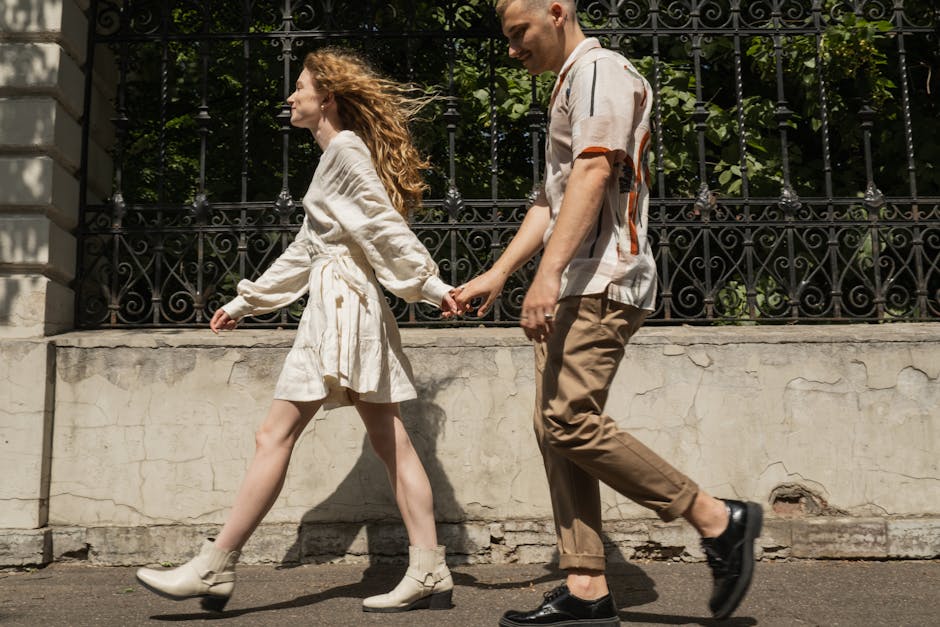
Flat shoes are often mistakenly equated with “healthy” shoes. However, many flats are too flat. A completely thin, pancake-like sole offers no shock absorption, which can lead to plantar fasciitis or Achilles tendonitis over time. When selecting the best summer flats, the internal architecture is as important as the external style. A slight internal wedge or a contoured footbed can make the difference between a shoe you can wear for eight hours and one that leaves you in pain after two. This is particularly important during the summer when we tend to be more active, walking on hard urban surfaces like concrete and asphalt which do not absorb impact.
Arch Support and Cushioning
The Vionic Uptown Loafer (approx. £120) is a specific example of a shoe designed with podiatrist-designed technology hidden within a trendy silhouette. It features a deep heel cup and substantial arch support, which is rare in a flat.
- Specs: Removable EVA footbed, leather upper, flexible rubber outsole.
- Pros: Excellent for those with flat feet or high arches who usually struggle with traditional ballet flats; helps align the gait and reduce knee pain.
- Cons: The added structure makes the shoe slightly heavier and less flexible than a standard minimalist flat; the aesthetic is somewhat bulkier than a traditional ballet slipper.
For those who prefer a more barefoot feel but still need protection, look for shoes with a “sacchetto” construction. In this method, the lining and insole are sewn together like a bag, then attached to the upper. This creates a glove-like fit with no irritating internal seams, providing a soft, cushioned feel that moves with the foot.
The Importance of Toe Box Width
Summer heat causes the feet to splay. If a shoe has a narrow, restrictive toe box, this natural expansion is inhibited, leading to bunions or pinched nerves (Morton’s neuroma). Square-toe flats have seen a resurgence not just as a fashion statement, but as a functional solution to this problem. The ASOS Design Wide Fit range is particularly useful here, providing extra volume across the ball of the foot without requiring the wearer to size up and deal with heel slippage. When trying on flats, there should be a thumb’s width of space between your longest toe and the end of the shoe to accommodate for afternoon swelling.
Strategic Maintenance: Extending the Life of Summer Footwear
Maintaining the integrity of summer footwear requires a proactive approach to moisture management. Unlike winter boots, which face external moisture like rain and snow, summer flats contend with internal humidity. Utilizing cedar shoe trees is not an affectation of the luxury market but a functional necessity. Cedar is naturally desiccant and antimicrobial, drawing out the salt and moisture that can degrade leather linings and cause the shoe to lose its shape. If you are investing in a pair of £100+ flats from a retailer like Anthropologie, a £20 pair of cedar trees will effectively double their lifespan.
Another critical maintenance tip is the “rotation rule.” Never wear the same pair of leather flats two days in a row. Leather needs at least 24 hours to fully dry out and return to its original shape. Wearing them daily while they are still slightly damp from the previous day’s wear will cause the leather to stretch permanently, leading to a “sloppy” fit and eventual structural failure. For those on a budget, rotating between a pair of M&S leather flats and a pair of washable Rothy’s is an excellent way to keep both pairs in peak condition throughout the season.
The Summer Sizing Paradox: Why Your Usual Size Might Be Wrong
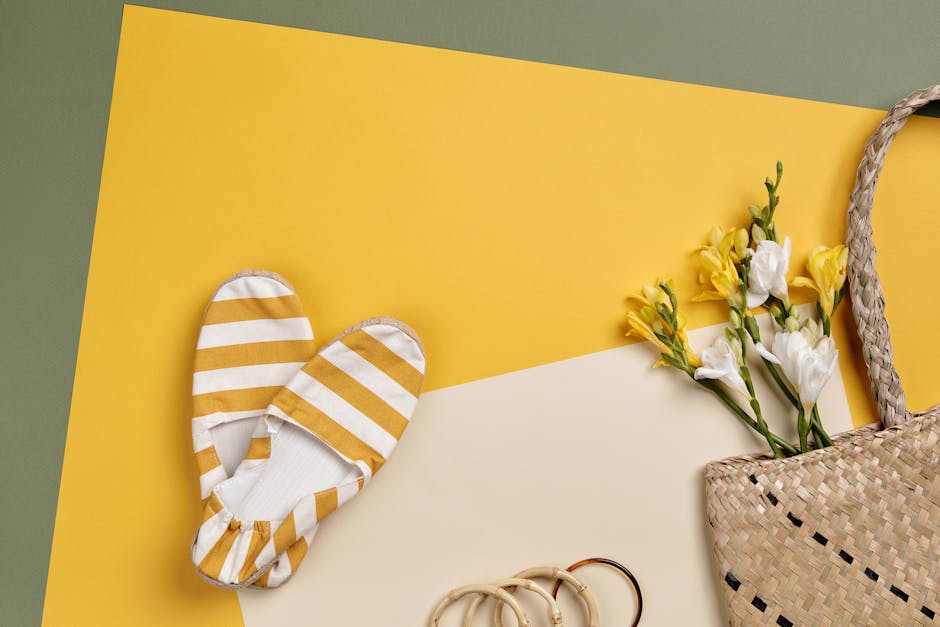
A frequent error in purchasing summer flats is failing to account for peripheral edema—the swelling of the feet due to heat and gravity. A shoe that fits perfectly at 9:00 AM in a temperature-controlled retail environment will likely become restrictive by 4:00 PM on a humid afternoon. Expert fitters suggest shopping for summer footwear in the late afternoon when your feet are at their largest. This ensures that the shoe will remain comfortable during the most demanding parts of the day.
Furthermore, consider the “finger test” at the heel. If you can’t fit a pinky finger between your heel and the back of the shoe, it is likely too tight for summer wear. Conversely, if there is “gapping” at the sides when you step, the shoe is too wide, which will cause your foot to slide forward and cramp your toes. Many brands available via Awin partners now offer half-sizes or multiple width fittings (C, D, E), which are essential for finding a truly ergonomic fit. Don’t be afraid to use moleskin padding or “heel grips” to fine-tune the fit of a shoe that is slightly too large, but never try to “stretch out” a shoe that is fundamentally too small.
Occasion-Based Selection: Matching Silhouettes to Summer Events
The versatility of the flat shoe is its greatest asset, but different summer scenarios demand different functional priorities. A garden wedding requires a sole that won’t sink into the grass, while a city break demands a high-traction outsole for navigating cobblestones and subway stairs. The aesthetic must also shift; the “balletcore” trend favors soft, satin-like finishes, while the “quiet luxury” movement leans toward matte leathers and minimalist hardware.
The Destination Walking Shoe
For travel, the Everlane Day Glove (approx. £130) has gained a cult following. It is designed to fit like a sock, with a pull-tab at the back and a rubber sole for grip. The leather is thin enough to be breathable but thick enough to protect the foot.
- Pros: Exceptional comfort and a mold-to-your-foot fit; packs completely flat in a suitcase.
- Cons: The aesthetic is very casual; it lacks the structure required for formal dining or corporate environments.
For a more versatile travel shoe, a metallic leather flat (gold or silver) acts as a neutral and can be dressed up or down more easily than a standard tan or black. Metallic finishes also reflect a portion of solar radiation, potentially keeping the feet slightly cooler than dark, heat-absorbing pigments.
Summer Events and Evening Wear
When attending summer weddings or outdoor galas, the Mary Jane flat has become the sophisticated alternative to the stiletto. The strap provides security—essential if you plan on dancing—while the lower profile keeps the look effortless. Look for versions in velvet or embellished mesh. Mesh flats, such as those seen from high-end designers but replicated effectively by high-street brands like Mango or Zara, offer the ultimate in summer cooling. They provide the silhouette of a closed shoe with the airflow of a sandal. However, durability is a concern; the fine mesh can snag easily on jewelry or uneven surfaces, making them a “special occasion” choice rather than a daily driver for the morning commute.
Ultimately, the best summer flats are those that acknowledge the reality of the season. They prioritize high-quality natural materials like Nappa leather and suede, offer a shape that allows for natural foot expansion, and provide enough underfoot protection to handle the heat of the pavement. Whether you opt for the washable convenience of a technical knit, the orthopedic support of a Vionic loafer, or the timeless investment of a Blake-stitched Gucci, the focus should remain on the intersection of biological needs and personal style. By understanding the science of breathability and the mechanics of foot health, you can curate a summer footwear collection that is as comfortable as it is elegant.