Choosing the right jacket in Pakistan means understanding the country’s varied climate. From the chilly northern mountains to the mild southern coastal areas, a single jacket style rarely fits all needs. The goal is to pick a jacket that offers appropriate warmth, comfort, and style, matching the specific weather you’ll face. Think about material, fit, and intended use before anything else.
Understanding Pakistan’s Climate Needs for Jackets
Pakistan experiences distinct seasonal changes, making versatile outerwear a necessity. Deciding on a jacket often starts with where you live or where you plan to travel within the country. A heavy-duty puffer needed for Murree winters differs greatly from a lightweight denim jacket for Karachi’s milder cool season.
The northern regions, including Gilgit-Baltistan and parts of Khyber Pakhtunkhwa, see harsh winters with sub-zero temperatures. Here, insulation and weather resistance are . In contrast, central Punjab and Sindh have moderately cold winters, requiring less extreme warmth but still needing substantial layering options. Southern coastal areas like Karachi experience very mild winters, where lighter jackets or even just thick sweaters suffice for most of the season. Monsoon season, generally from July to September, brings humidity and rain across much of the country, making water-resistant or waterproof jackets valuable for protection.
Winter Warmth Requirements
For regions like Skardu or Quetta, where temperatures can drop significantly, the primary requirement is maximum thermal insulation. Look for jackets filled with down or synthetic fibers that trap heat effectively. A good winter jacket for these areas should also have a durable, water-resistant outer shell to protect against snow or light rain. Features like adjustable hoods, internal cuffs, and drawstrings at the hem help seal in warmth. The thickness of the insulation, often measured in grams per square meter for synthetic fills or fill power for down, directly impacts the jacket’s warmth.
Monsoon Season Considerations
During the monsoon, the focus shifts from extreme warmth to protection against rain and humidity. A waterproof or highly water-resistant jacket is essential. Materials like Gore-Tex or similar proprietary membranes offer excellent rain protection while allowing some breathability, preventing a clammy feeling inside. Lightweight, packable rain jackets are ideal, as they can be easily carried and donned when sudden downpours occur. Avoid heavy, non-breathable materials that can become uncomfortable in humid conditions. Look for sealed seams and water-resistant zippers for maximum effectiveness.
Transitional Weather Layering
Spring and autumn often present unpredictable weather, with cool mornings, warm afternoons, and chilly evenings. This is where layering becomes crucial. A versatile jacket for transitional weather should be light enough not to overheat during the day but capable of providing sufficient warmth when layered over a sweater or long-sleeve shirt. Bomber jackets, light denim jackets, or simple windbreakers work well. The key is ease of removal and portability. Consider jackets that can be easily tied around the waist or packed into a bag when not needed. These pieces often serve as the outermost layer in a multi-layered system.
Key Jacket Materials and Their Local Availability
The material of your jacket dictates its performance, comfort, and durability. Pakistan has a robust textile industry, meaning many common jacket materials are readily available, often at competitive prices. Understanding the pros and cons of each helps in making an informed choice.
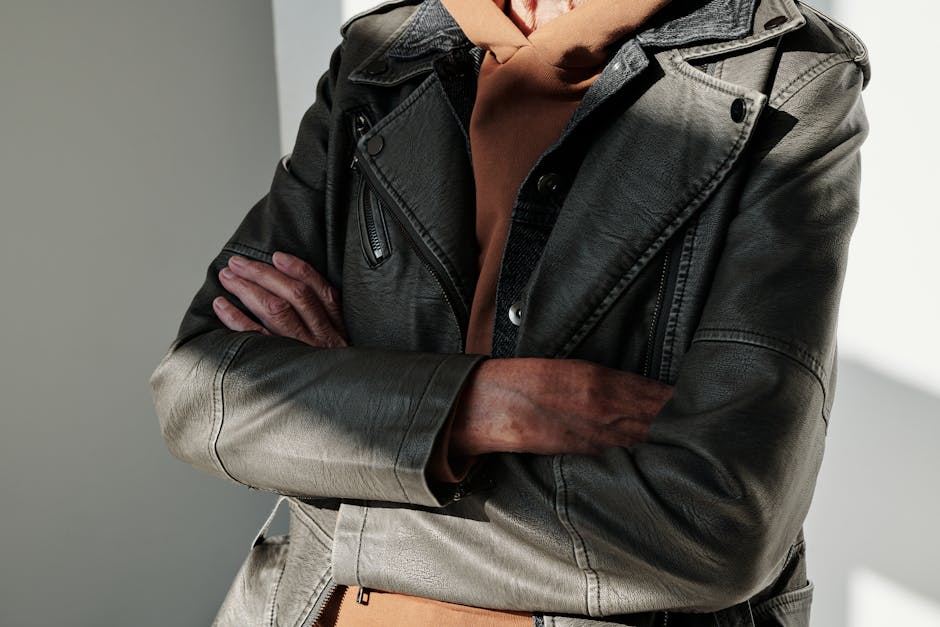
- Leather: Leather jackets are highly durable and offer excellent wind resistance. They age beautifully and provide a classic, stylish look. Good quality leather, often from cowhide, sheepskin, or goatskin, is produced and processed within Pakistan. It offers good warmth but isn’t ideal for heavy rain unless specifically treated.
- Denim: A staple for casual wear, denim jackets are known for their ruggedness and versatility. They offer moderate warmth and are perfect for milder cold weather or layering. Pakistan’s denim industry is significant, so finding a variety of washes and styles is easy.
- Fleece: Lightweight and very warm for its weight, fleece is excellent for layering or as a standalone jacket in moderately cold conditions. It’s soft, comfortable, and quick-drying. While less wind-resistant than leather or some synthetics, it’s a popular choice for active wear and casual warmth.
- Synthetic Fills (Polyester, Nylon): Used in puffer jackets and insulated coats, these materials are designed to mimic the insulating properties of down but are often more affordable and perform better when wet. They are widely available, forming the core of many winter jackets.
- Wool: Woolen jackets or coats offer superb natural warmth and breathability. They are durable and can resist light moisture. While heavier, wool provides a sophisticated look and excellent insulation, particularly for formal or semi-formal winter wear.
What Makes Leather Jackets Durable?
The durability of a leather jacket comes from the natural strength of animal hides. Proper tanning processes enhance this strength, making the material resistant to tears and abrasions. Full-grain leather, which retains the natural texture of the hide, is the most durable. Over time, leather develops a unique patina, further adding to its character without compromising its structural integrity. Regular conditioning helps maintain its suppleness and prevents cracking, ensuring a jacket lasts for decades.
The Versatility of Denim
Denim’s versatility stems from its robust cotton twill weave. It’s tough enough for outdoor activities yet stylish enough for urban settings. Denim jackets can be dressed up or down, layered over hoodies, or worn under heavier coats. They adapt to various personal styles and remain a timeless fashion item. The fabric’s natural breathability also adds to its comfort in a range of temperatures.
Fleece: Lightweight Warmth
Fleece fabric, typically made from polyester, excels at trapping air in its dense pile, providing excellent insulation without significant weight. It’s comfortable against the skin, quick to dry, and generally less expensive than natural fibers. Modern fleece technology includes variations that are wind-resistant or have a water-repellent finish, increasing their functionality in varying conditions.
Top Jacket Styles Popular Across Pakistan
For sheer practicality and enduring style, the leather jacket remains an unparalleled choice across Pakistan, especially in urban centers. It offers a blend of ruggedness and sophistication that few other styles can match, making it suitable for both casual outings and more polished looks during the cooler months.
While leather holds its ground, other styles have carved out significant niches. Bomber jackets have seen a surge in popularity among younger demographics, offering a contemporary, sporty aesthetic. Puffer jackets are indispensable in colder regions, valued for their warmth-to-weight ratio. Denim jackets continue to be a go-to for casual, everyday wear, especially when the weather isn’t too severe. Each style caters to different needs and preferences, reflecting the diverse fashion landscape of Pakistan.
The Enduring Appeal of the Leather Jacket
Leather jackets hold a special place in Pakistani fashion. Their appeal lies in their timeless design, durability, and the way they adapt to different occasions. A well-fitted leather jacket instantly elevates an outfit. Available in classic black, brown, and increasingly in other hues, they are a staple for men and women. Brands like Outfitters or Stoneage often feature a range of leather jacket styles, from classic bikers to more minimalist designs, catering to local tastes.
Bomber Jackets: A Modern Staple
The bomber jacket, with its distinctive ribbed cuffs and hem, zippered front, and often a padded lining, has become a contemporary favorite. It offers a relaxed yet stylish silhouette that pairs well with jeans, chinos, or even more formal trousers for a smart-casual look. Popular among college students and young professionals, bombers are versatile for transitional weather and milder winters. They come in various materials, including nylon, satin, and even lighter leather, providing options for different levels of warmth and style.
Puffer Jackets for Extreme Cold
When temperatures drop significantly, particularly in Pakistan’s northern areas, the puffer jacket is the clear winner for warmth. Its quilted design, filled with down or synthetic insulation, creates air pockets that effectively trap body heat. Modern puffer jackets are lightweight and compressible, making them practical for travel. They often feature water-resistant outer fabrics to repel snow and light rain, essential for mountain climates. While primarily functional, many contemporary designs also incorporate stylish elements, making them suitable for urban wear in colder cities like Lahore or Islamabad.
How to Determine Your Jacket Size and Fit

Getting the right fit is crucial for comfort, warmth, and appearance. A jacket that’s too tight restricts movement, while one that’s too loose can look sloppy and fail to trap heat effectively. Always refer to a brand’s specific size chart, as sizing can vary significantly. Measuring your body accurately is the first step.
| Measurement Point | How to Measure | Fit Consideration |
|---|---|---|
| Chest | Measure around the fullest part of your chest, keeping the tape measure horizontal. | Ensures proper closure and comfort across the torso. Add 2-4 inches for layering space. |
| Sleeve Length | Measure from the center back of your neck, over your shoulder, and down to your wrist. | Sleeves should end just at or slightly below the wrist bone, allowing for arm movement. |
| Waist/Hem | Measure around your natural waistline or where you want the jacket’s hem to sit. | Determines how the jacket sits at the hip or waist. A jacket should not be tight around the hem. |
| Shoulder Width | Measure straight across your upper back from the tip of one shoulder to the other. | The jacket’s shoulder seams should align with your natural shoulder line. |
Taking Accurate Body Measurements
Use a flexible measuring tape. Stand upright and relax. For chest and waist, measure around the fullest part without cinching the tape too tightly. For sleeve length, have someone assist you, bending your arm slightly to ensure enough length for movement. Compare these measurements against the brand’s size chart. If you’re between sizes, consider your layering habits: size up for more layering space, or size down for a slimmer fit.
Understanding Different Fits (Slim, Regular, Relaxed)
Jacket fits are generally categorized into three main types:
- Slim Fit: Designed to hug the body closely, offering a tailored appearance. Best for light layering or wearing over thin garments. It provides a modern silhouette but can restrict movement if too tight.
- Regular Fit: A balanced fit that offers comfort without being overly baggy. Allows for moderate layering beneath. This is the most common and versatile fit, suitable for most body types and uses.
- Relaxed Fit: Provides ample room in the chest, shoulders, and waist for maximum comfort and freedom of movement. Ideal for heavy layering or those who prefer a looser aesthetic. Often seen in workwear or very casual jacket styles.
Maintaining Your Jacket for Longevity: Practical Tips
Proper care significantly extends the life of your jacket, preserving its appearance and functionality. Different materials require specific cleaning and storage methods. Neglecting these steps can lead to premature wear, fading, or damage. Always check the care label inside your jacket before attempting any cleaning method.
For most jackets, general practices include immediate spot cleaning for spills, airing out regularly to prevent odors, and storing them on appropriate hangers. Never cram jackets into a tight closet, as this can cause wrinkles and damage to insulation or material structure. Understanding the nuances for each material type ensures your investment lasts for many seasons.
Leather Care Best Practices
Leather jackets require specialized care. Avoid machine washing or submerging in water. For light dirt, wipe with a damp cloth. For deeper cleaning, use a dedicated leather cleaner. After cleaning, apply a leather conditioner to keep the material supple and prevent drying or cracking. Store leather jackets on wide, padded hangers to maintain their shape. Keep them away from direct sunlight and excessive heat, which can cause fading and damage. If the jacket gets wet, let it air dry naturally at room temperature, never with artificial heat.
Washing and Storing Denim
Denim jackets are relatively low-maintenance. To preserve color and minimize shrinkage, wash denim jackets inside out in cold water on a gentle cycle. Use a mild detergent. Air drying is preferable to machine drying, as high heat can cause denim to shrink and fade faster. If machine drying, use a low heat setting. Store denim jackets on standard hangers. For raw denim, consider washing infrequently to allow for natural wear patterns to develop, spot cleaning as needed.
Fleece Cleaning and Drying
Fleece jackets are easy to clean. They can typically be machine washed in cold or lukewarm water on a gentle cycle. Avoid using fabric softener, as it can reduce the fleece’s ability to trap air and insulate effectively. Tumble dry on a low heat setting or air dry. Excessive heat can melt the synthetic fibers, causing permanent damage. To prevent pilling, wash fleece garments inside out and separately from items that shed lint. Once dry, store them folded or on hangers, ensuring they are completely dry to prevent mildew.
Budgeting for a Quality Jacket: What to Expect
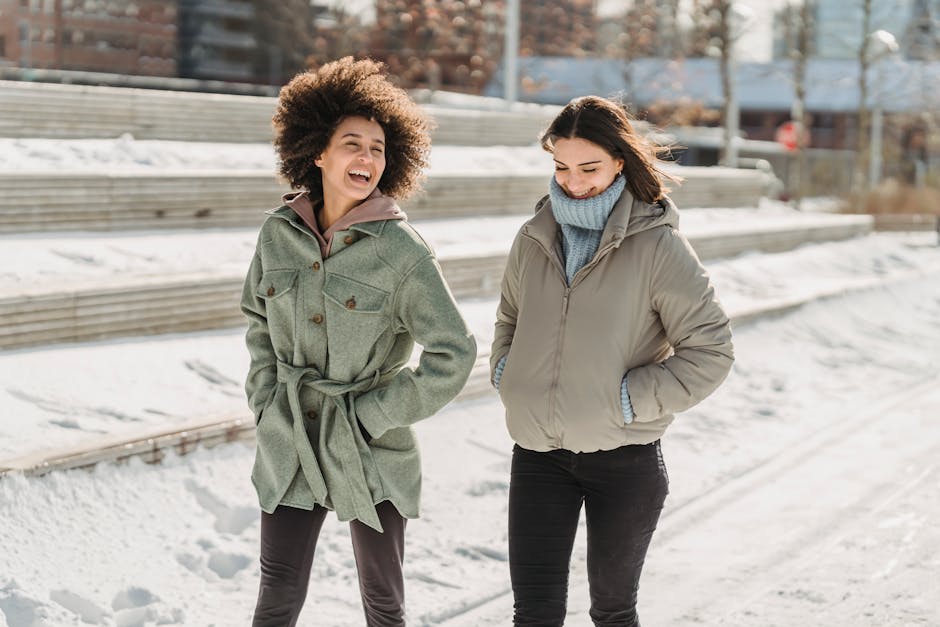
Investing in a quality jacket means balancing cost with durability and performance. Expect to pay more for genuine leather, specialized waterproof materials, or high-fill-power down. While a higher price often correlates with better craftsmanship and materials, careful shopping can also uncover durable options at more accessible price points, especially during sales or from local manufacturers.
Where to Find Reliable Jacket Retailers in Major Pakistani Cities
Finding a quality jacket involves knowing where to look. Major cities like Karachi, Lahore, and Islamabad offer a variety of shopping experiences, from large retail chains to independent boutiques and bustling local markets. Each option has its advantages for selection, price, and the overall shopping experience.
What are the benefits of shopping in physical stores?
Shopping in physical stores allows you to try on jackets for fit, feel the material quality, and inspect craftsmanship firsthand. You can compare different styles side-by-side and get immediate assistance from sales staff. This is especially useful for items like leather jackets, where the texture and drape are important, or for complex sizing in winter coats. Major malls, for example, typically house well-known apparel brands that offer a consistent shopping experience.
What should I look for when buying online?
When purchasing jackets online, meticulously check size charts, read customer reviews for fit guidance, and scrutinize product photos. Pay attention to material descriptions and any stated care instructions. Reputable online retailers usually offer clear return policies, which are crucial for ensuring you can exchange an item if the fit or quality isn’t as expected. Look for detailed measurements for chest, sleeve, and length, not just general S/M/L categories.
Are local markets a good option for jackets?
Local markets, such as those in Anarkali in Lahore or Tariq Road in Karachi, can be excellent for finding unique jacket styles or more budget-friendly options. You might discover local artisans specializing in leather or custom-made pieces. However, quality can vary significantly, so inspect items carefully for stitching, material flaws, and overall finish. Haggling over prices is often expected, allowing for potential savings. This option is generally better for those who enjoy the hunt and are confident in assessing product quality themselves.